

Audio Guide: Orlando Downtown Walking Tour (Self Guided), Orlando
Welcome to Orlando, a city many people associate with theme parks, film crews, and childhood memories shaped by stories from Disney and Universal. It’s also a place that has hosted figures such as Neil Armstrong, who trained in Central Florida during the space program era, Louis Armstrong, who performed here during segregation, and Martin Luther King Jr., who visited the area while organizing and speaking during the civil rights movement, alongside generations of everyday residents who shaped the city’s quieter, lesser-known side. This walking tour focuses on that local story—one that exists beyond the attractions most visitors first think of.
The name “Orlando” is commonly linked to a soldier named Orlando Reeves, who is said to have died in the area during the Seminole Wars in the 1830s. According to local legend, his name was carved into a tree near a military post, and later settlers used it to identify the area. While historians still debate the exact origin, the story reflects how early residents connected the land to personal memory and loss.
Orlando began as a small frontier settlement built around Fort Gatlin, established to protect American troops and settlers. After Florida became a U.S. state in 1845, the area slowly grew through cattle ranching and citrus farming. The arrival of the railroad in the late nineteenth century helped Orlando expand, turning it into a regional hub. The city changed dramatically in the second half of the twentieth century, especially after the opening of nearby theme parks in the 1970s, which reshaped its economy and global visibility.
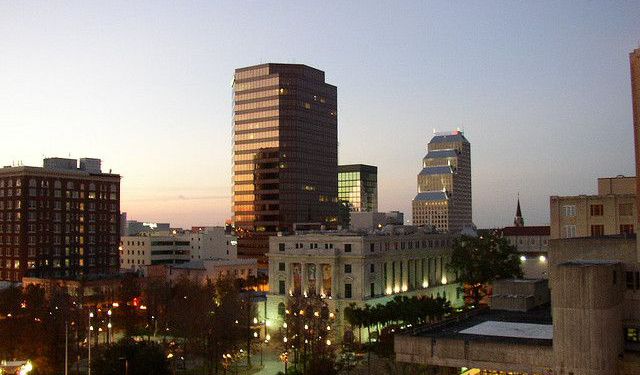
Today, Orlando feels spread out yet surprisingly local once you step into its older neighborhoods and downtown streets. The city mixes historic buildings with modern offices, lakes with walking paths, and busy roads with quieter residential areas. Downtown Orlando is compact and walkable, with parks, museums, and restored landmarks giving it a more relaxed pace than many people expect.
One important stop is the Wells' Built Hotel, a historic site connected to African American history during segregation. Built in the 1920s, it served as a hotel, cultural center, and gathering place for Black travelers, musicians, and civil rights leaders. Another key location is Lake Eola Park, a central green space where locals walk, relax, and attend community events, with the city skyline rising just beyond the water.
As we continue, this walk will focus on a few key locations that help explain how Orlando developed and how its downtown is used today. The route is easy to follow and keeps the focus on places that are part of the city’s everyday landscape.
The name “Orlando” is commonly linked to a soldier named Orlando Reeves, who is said to have died in the area during the Seminole Wars in the 1830s. According to local legend, his name was carved into a tree near a military post, and later settlers used it to identify the area. While historians still debate the exact origin, the story reflects how early residents connected the land to personal memory and loss.
Orlando began as a small frontier settlement built around Fort Gatlin, established to protect American troops and settlers. After Florida became a U.S. state in 1845, the area slowly grew through cattle ranching and citrus farming. The arrival of the railroad in the late nineteenth century helped Orlando expand, turning it into a regional hub. The city changed dramatically in the second half of the twentieth century, especially after the opening of nearby theme parks in the 1970s, which reshaped its economy and global visibility.
Today, Orlando feels spread out yet surprisingly local once you step into its older neighborhoods and downtown streets. The city mixes historic buildings with modern offices, lakes with walking paths, and busy roads with quieter residential areas. Downtown Orlando is compact and walkable, with parks, museums, and restored landmarks giving it a more relaxed pace than many people expect.
One important stop is the Wells' Built Hotel, a historic site connected to African American history during segregation. Built in the 1920s, it served as a hotel, cultural center, and gathering place for Black travelers, musicians, and civil rights leaders. Another key location is Lake Eola Park, a central green space where locals walk, relax, and attend community events, with the city skyline rising just beyond the water.
As we continue, this walk will focus on a few key locations that help explain how Orlando developed and how its downtown is used today. The route is easy to follow and keeps the focus on places that are part of the city’s everyday landscape.
How it works: Download the app "GPSmyCity: Walks in 1K+ Cities" from Apple App Store or Google Play Store to your mobile phone or tablet. The app turns your mobile device into a personal tour guide and its built-in GPS navigation functions guide you from one tour stop to next. The app works offline, so no data plan is needed when traveling abroad.
Orlando Downtown Walking Tour Map
Guide Name: Orlando Downtown Walking Tour
Guide Location: USA » Orlando (See other walking tours in Orlando)
Guide Type: Self-guided Walking Tour (Sightseeing)
# of Attractions: 4
Tour Duration: 1 Hour(s)
Travel Distance: 2.1 Km or 1.3 Miles
Author: brian
Sight(s) Featured in This Guide:
Guide Location: USA » Orlando (See other walking tours in Orlando)
Guide Type: Self-guided Walking Tour (Sightseeing)
# of Attractions: 4
Tour Duration: 1 Hour(s)
Travel Distance: 2.1 Km or 1.3 Miles
Author: brian
Sight(s) Featured in This Guide:
- Wells’ Built Museum
- Church Street Station
- Orange County Regional History Center
- Lake Eola Park
1) Wells’ Built Museum
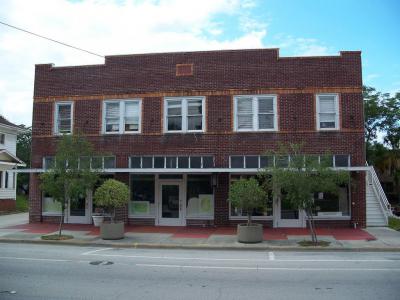
The Wells' Built Museum is a key historic site in downtown Orlando that focuses on African American history during segregation. The building opened in 1929 as the Wells’ Built Hotel, offering lodging, dining, and entertainment for Black travelers at a time when most hotels and venues in the city were segregated. Today, the museum preserves the building’s original purpose while presenting the broader social history connected to it.
The hotel was built by Dr. William Monroe Wells, a respected physician and community leader. During its operation, it became a central meeting place for Orlando’s Black community and a regular stop for performers, athletes, and public figures who were excluded from white-only establishments. The building also played an important role in local civic life, hosting events and gatherings that strengthened community connections.
Inside, the museum presents exhibits on daily life under segregation, Black-owned businesses, and the local civil rights movement. Archival photographs, documents, and personal items help explain how residents navigated restrictions while building lasting institutions. The museum is compact and easy to visit, making it a meaningful stop on a downtown walking route.
The hotel was built by Dr. William Monroe Wells, a respected physician and community leader. During its operation, it became a central meeting place for Orlando’s Black community and a regular stop for performers, athletes, and public figures who were excluded from white-only establishments. The building also played an important role in local civic life, hosting events and gatherings that strengthened community connections.
Inside, the museum presents exhibits on daily life under segregation, Black-owned businesses, and the local civil rights movement. Archival photographs, documents, and personal items help explain how residents navigated restrictions while building lasting institutions. The museum is compact and easy to visit, making it a meaningful stop on a downtown walking route.
2) Church Street Station
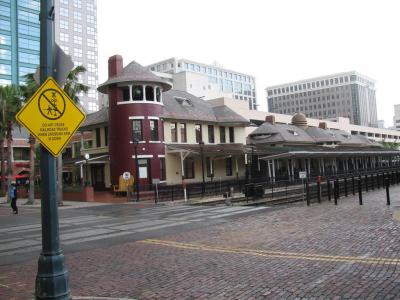
Church Street Station is a historic entertainment and commercial complex located in downtown Orlando. Developed in the late nineteenth century around the city’s original railroad depot, the area became an important center for travel, trade, and social life. Its location along Church Street helped establish downtown Orlando as a regional hub during the city’s early growth.
In the late twentieth century, Church Street Station gained national attention as a nightlife destination. Several historic buildings were restored and repurposed into clubs, restaurants, and music venues, attracting visitors from across Central Florida. Although the district has changed over time, its historic structures remain an important part of Orlando’s urban landscape and reflect different phases of the city’s development.
Today, Church Street Station functions as a mixed-use area with offices, event spaces, and nearby dining and entertainment options. It sits close to major downtown landmarks and is well connected by public transportation, including the nearby SunRail station. The surrounding streets are active during events, concerts, and sports games, especially on evenings and weekends.
For visitors, Church Street Station offers a clear example of how Orlando’s historic core has adapted to modern use. Walking through the area provides context for the city’s transition from a railroad town to a contemporary downtown, making it a practical stop for those interested in local history and urban development.
In the late twentieth century, Church Street Station gained national attention as a nightlife destination. Several historic buildings were restored and repurposed into clubs, restaurants, and music venues, attracting visitors from across Central Florida. Although the district has changed over time, its historic structures remain an important part of Orlando’s urban landscape and reflect different phases of the city’s development.
Today, Church Street Station functions as a mixed-use area with offices, event spaces, and nearby dining and entertainment options. It sits close to major downtown landmarks and is well connected by public transportation, including the nearby SunRail station. The surrounding streets are active during events, concerts, and sports games, especially on evenings and weekends.
For visitors, Church Street Station offers a clear example of how Orlando’s historic core has adapted to modern use. Walking through the area provides context for the city’s transition from a railroad town to a contemporary downtown, making it a practical stop for those interested in local history and urban development.
3) Orange County Regional History Center
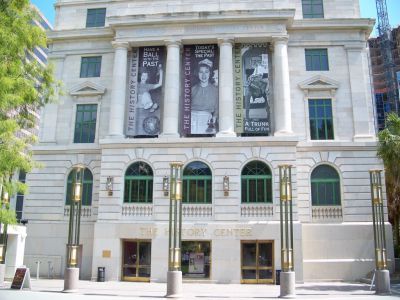
The Orange County Regional History Center is located in downtown Orlando and occupies the former Orange County Courthouse, completed in 1927. Designed as a civic landmark, the building reflects the period when Orlando was establishing itself as a regional center. Its preserved exterior and interior details add historical value before visitors even step into the galleries.
Inside, the museum traces the history of Central Florida across several floors, beginning with Indigenous cultures and early settlement and continuing through statehood, agriculture, transportation, and urban growth. Exhibits cover the citrus industry, military activity during World War II, and the social changes that accompanied population growth in the twentieth century. Displays combine historical objects, photographs, maps, and multimedia elements to present information in a clear and accessible way.
Several sections focus specifically on Orlando, showing how downtown evolved from a small town into a modern city. Visitors can see how railroads, highways, tourism, and local industries shaped daily life, as well as how communities adapted to economic and cultural change. Temporary exhibitions often add more focused perspectives on regional topics.
Inside, the museum traces the history of Central Florida across several floors, beginning with Indigenous cultures and early settlement and continuing through statehood, agriculture, transportation, and urban growth. Exhibits cover the citrus industry, military activity during World War II, and the social changes that accompanied population growth in the twentieth century. Displays combine historical objects, photographs, maps, and multimedia elements to present information in a clear and accessible way.
Several sections focus specifically on Orlando, showing how downtown evolved from a small town into a modern city. Visitors can see how railroads, highways, tourism, and local industries shaped daily life, as well as how communities adapted to economic and cultural change. Temporary exhibitions often add more focused perspectives on regional topics.
4) Lake Eola Park (must see)
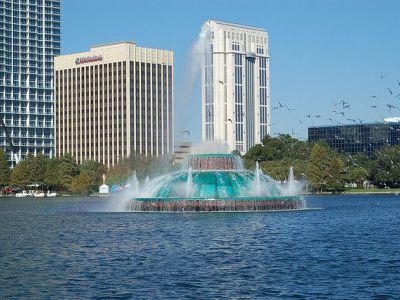
Lake Eola Park is located just east of downtown Orlando and is one of the city’s most established public spaces. The park is centered around Lake Eola, a natural lake that has been part of Orlando’s landscape since the nineteenth century. Over time, it developed into a public park that balances open green areas with clear views of the surrounding city, making it a regular meeting place for both residents and visitors.
As you enter the park, head toward the paved walkway that loops around the lake. Follow this path at a steady pace and pay attention to how the surroundings shift as you move. Tall office buildings and residential towers come into view between clusters of trees and open lawns. Look toward the middle of the lake to spot the large fountain, which operates throughout the day and becomes illuminated in the evening. Along the water’s edge, swan-shaped pedal boats circle the lake, adding a familiar and relaxed element to the scene.
Continue along the path until you reach the amphitheater on the western side of the park. Stop here and turn back toward the water to take in one of the clearest views of the downtown skyline. From this point, you can also see how the park is arranged for everyday use, with benches, shaded seating areas, playgrounds, and picnic spots spread throughout. This area often hosts public events, including concerts and seasonal festivals, which bring more activity to the park.
Lake Eola Park works well as a short stop or a longer break during a walk through downtown. You can circle the lake in about half an hour, sit by the water for a while, or simply pass through as part of a larger route. On Sundays, the park hosts a farmers’ market with local food, produce, and small vendors, which brings extra activity to the area.
As you enter the park, head toward the paved walkway that loops around the lake. Follow this path at a steady pace and pay attention to how the surroundings shift as you move. Tall office buildings and residential towers come into view between clusters of trees and open lawns. Look toward the middle of the lake to spot the large fountain, which operates throughout the day and becomes illuminated in the evening. Along the water’s edge, swan-shaped pedal boats circle the lake, adding a familiar and relaxed element to the scene.
Continue along the path until you reach the amphitheater on the western side of the park. Stop here and turn back toward the water to take in one of the clearest views of the downtown skyline. From this point, you can also see how the park is arranged for everyday use, with benches, shaded seating areas, playgrounds, and picnic spots spread throughout. This area often hosts public events, including concerts and seasonal festivals, which bring more activity to the park.
Lake Eola Park works well as a short stop or a longer break during a walk through downtown. You can circle the lake in about half an hour, sit by the water for a while, or simply pass through as part of a larger route. On Sundays, the park hosts a farmers’ market with local food, produce, and small vendors, which brings extra activity to the area.
Walking Tours in Orlando, Florida
Create Your Own Walk in Orlando
Creating your own self-guided walk in Orlando is easy and fun. Choose the city attractions that you want to see and a walk route map will be created just for you. You can even set your hotel as the start point of the walk.
Winter Park Walking Tour
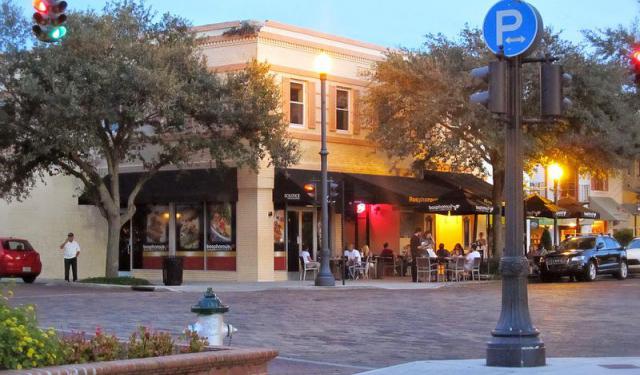
Winter Park is often associated with writers, artists, and educators rather than large-scale tourism. Through its long connection with Rollins College, the city has hosted figures such as Margaret Mead, known for her work in anthropology and cultural studies, Maya Angelou, whose writing and public speaking shaped American literature and civil rights discourse, and Fred Rogers, best known for his... view more
Tour Duration: 1 Hour(s)
Travel Distance: 1.9 Km or 1.2 Miles
Tour Duration: 1 Hour(s)
Travel Distance: 1.9 Km or 1.2 Miles
The Most Popular Cities
/ view all