

Road Town Introduction Walking Tour (Self Guided), Road Town
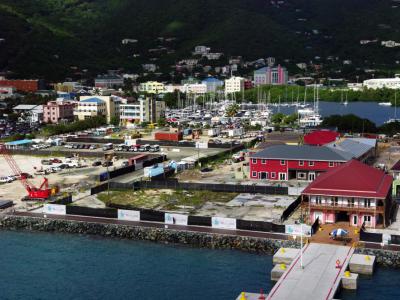
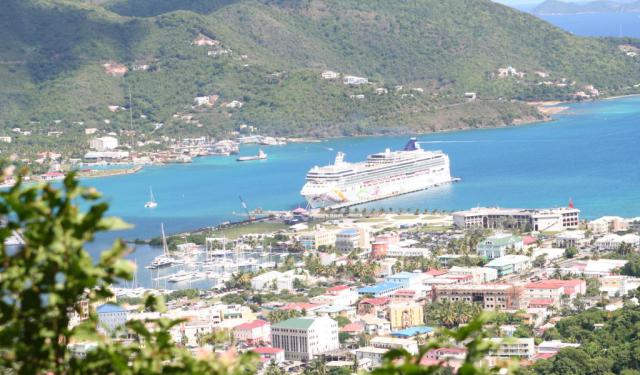
Road Town, capital of the British Virgin Islands, unfolds along the protected curve of Road Harbour on Tortola island's southern coast. Its name comes from the nautical term roadstead, meaning a safe anchorage outside a formal harbour. In essence, “Road Town” means “the town by the anchorage,” a reminder that its natural harbour served mariners long before it became the territory’s political centre.
Long before Europeans arrived, Tortola was inhabited first by the Arawak and later by the Kalinago peoples. In 1493, Christopher Columbus passed the archipelago and named it The Eleven Thousand Virgins, inspired by the legend of Saint Ursula. Despite appearing early on Spanish maps, the islands saw little sustained Spanish settlement.
In the 17th century the Dutch briefly established administrative control, founding a settlement in 1648—the earliest roots of what would become Road Town. Their rule was short-lived: in 1672 the British seized Tortola during the Third Anglo-Dutch War. By the early 18th century, the territory’s capital had shifted from Spanish Town on Virgin Gorda island to Road Town, solidifying its emerging importance.
Throughout the 1700s and 1800s, Road Town grew gradually as the surrounding hills were carved into plantation estates producing cotton and sugar. Enslaved Africans formed the backbone of this economy, and their forced labour shaped the island’s development. Following the abolition of slavery in 1834, formerly enslaved communities established free villages beyond plantation boundaries, transforming the island’s social landscape.
Economic challenges defined much of the late 19th and early 20th centuries, as agricultural markets collapsed and hurricanes devastated infrastructure. Road Town remained a modest administrative centre until mid-century reforms and growing local autonomy set the stage for economic renewal. From the 1960s onward, the rise of tourism and offshore financial services reshaped the capital. Improved maritime facilities turned Road Harbour into one of the Caribbean’s busiest yacht basins, and the city developed into the commercial and governmental heart of the BVI.
A walk through Road Town leads past colorful Caribbean storefronts, leafy streets, and views of yachts anchored in Road Harbour. Visitors can explore the lively Crafts Alive Village, the historic St. George’s Anglican Church, and the engaging Main Street. The waterfront promenade offers breezy views of the marina, while nearby markets brim with spices, local fruit, and handmade souvenirs. Road Town blends island charm with a relaxed, maritime atmosphere.
End your walk by the water, where the harbour spreads out in front of you. Here, it’s clear that Road Town has never forgotten its beginnings as a safe anchorage—its legacy held together by the same quiet stretch of sea.
Long before Europeans arrived, Tortola was inhabited first by the Arawak and later by the Kalinago peoples. In 1493, Christopher Columbus passed the archipelago and named it The Eleven Thousand Virgins, inspired by the legend of Saint Ursula. Despite appearing early on Spanish maps, the islands saw little sustained Spanish settlement.
In the 17th century the Dutch briefly established administrative control, founding a settlement in 1648—the earliest roots of what would become Road Town. Their rule was short-lived: in 1672 the British seized Tortola during the Third Anglo-Dutch War. By the early 18th century, the territory’s capital had shifted from Spanish Town on Virgin Gorda island to Road Town, solidifying its emerging importance.
Throughout the 1700s and 1800s, Road Town grew gradually as the surrounding hills were carved into plantation estates producing cotton and sugar. Enslaved Africans formed the backbone of this economy, and their forced labour shaped the island’s development. Following the abolition of slavery in 1834, formerly enslaved communities established free villages beyond plantation boundaries, transforming the island’s social landscape.
Economic challenges defined much of the late 19th and early 20th centuries, as agricultural markets collapsed and hurricanes devastated infrastructure. Road Town remained a modest administrative centre until mid-century reforms and growing local autonomy set the stage for economic renewal. From the 1960s onward, the rise of tourism and offshore financial services reshaped the capital. Improved maritime facilities turned Road Harbour into one of the Caribbean’s busiest yacht basins, and the city developed into the commercial and governmental heart of the BVI.
A walk through Road Town leads past colorful Caribbean storefronts, leafy streets, and views of yachts anchored in Road Harbour. Visitors can explore the lively Crafts Alive Village, the historic St. George’s Anglican Church, and the engaging Main Street. The waterfront promenade offers breezy views of the marina, while nearby markets brim with spices, local fruit, and handmade souvenirs. Road Town blends island charm with a relaxed, maritime atmosphere.
End your walk by the water, where the harbour spreads out in front of you. Here, it’s clear that Road Town has never forgotten its beginnings as a safe anchorage—its legacy held together by the same quiet stretch of sea.
How it works: Download the app "GPSmyCity: Walks in 1K+ Cities" from Apple App Store or Google Play Store to your mobile phone or tablet. The app turns your mobile device into a personal tour guide and its built-in GPS navigation functions guide you from one tour stop to next. The app works offline, so no data plan is needed when traveling abroad.
Road Town Introduction Walking Tour Map
Guide Name: Road Town Introduction Walking Tour
Guide Location: British Virgin Island » Road Town (See other walking tours in Road Town)
Guide Type: Self-guided Walking Tour (Sightseeing)
# of Attractions: 7
Tour Duration: 1 Hour(s)
Travel Distance: 2.2 Km or 1.4 Miles
Author: DanaOffice
Sight(s) Featured in This Guide:
Guide Location: British Virgin Island » Road Town (See other walking tours in Road Town)
Guide Type: Self-guided Walking Tour (Sightseeing)
# of Attractions: 7
Tour Duration: 1 Hour(s)
Travel Distance: 2.2 Km or 1.4 Miles
Author: DanaOffice
Sight(s) Featured in This Guide:
- Cyril B. Romney Tortola Pier Park
- St. Georges Episcopal Anglican Church
- Her Majesty's Prison Museum
- Sunny Caribbee Spice Shop and Art Gallery
- Main Street
- Queen Elizabeth II Park
- Fort Burt
1) Cyril B. Romney Tortola Pier Park (must see)
Tortola Pier Park stands as a charming colonial-style hub for both cruise passengers and locals. This outdoor shopping mall is renowned as the go-to destination for shopping, dining, and entertainment, offering an array of experiences for visitors and residents alike.
Situated against the backdrop of the island's stunning harbor, where luxury yachts and cruise ships frequently moor, Tortola Pier Park exudes a captivating ambiance. The park boasts an expansive layout, featuring 11 buildings, 18 kiosks, and over 70 retail outlets, restaurants, and service centers. It epitomizes the essence of luxury and convenience, offering world-class facilities and amenities to cater to every need.
The park's vibrant atmosphere is accentuated by its picturesque surroundings, with lanes of brightly painted, purple-roofed buildings housing a variety of shops, boutiques, bars, restaurants, and tour operators. Visitors can immerse themselves in the local culture and lifestyle, sampling authentic Caribbean cuisine or browsing through an eclectic selection of souvenirs and handicrafts.
Tortola Pier Park is more than just a shopping destination; it's a lively hub of activity and entertainment. Visitors can enjoy live performances, cultural showcases, and craft markets, creating an engaging and dynamic experience for all.
Situated against the backdrop of the island's stunning harbor, where luxury yachts and cruise ships frequently moor, Tortola Pier Park exudes a captivating ambiance. The park boasts an expansive layout, featuring 11 buildings, 18 kiosks, and over 70 retail outlets, restaurants, and service centers. It epitomizes the essence of luxury and convenience, offering world-class facilities and amenities to cater to every need.
The park's vibrant atmosphere is accentuated by its picturesque surroundings, with lanes of brightly painted, purple-roofed buildings housing a variety of shops, boutiques, bars, restaurants, and tour operators. Visitors can immerse themselves in the local culture and lifestyle, sampling authentic Caribbean cuisine or browsing through an eclectic selection of souvenirs and handicrafts.
Tortola Pier Park is more than just a shopping destination; it's a lively hub of activity and entertainment. Visitors can enjoy live performances, cultural showcases, and craft markets, creating an engaging and dynamic experience for all.
2) St. Georges Episcopal Anglican Church
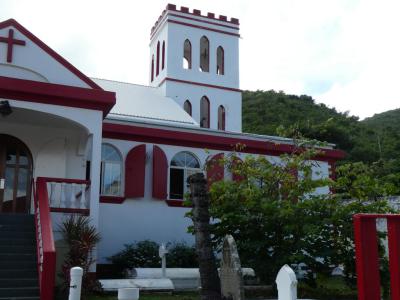
As you walk along Main Street, you’ll see Saint George’s Episcopal (Anglican) Church set slightly back from the road. Its bright white façade with bold red trim catches the eye immediately. This church has deep roots in the island’s history — the original structure dates back to the 18th century, and the building you see today was rebuilt in 1819 after a powerful hurricane.
Stepping closer you’ll find a peaceful churchyard surrounding the building on all sides, giving it a quiet, reflective atmosphere. Take a moment to notice the white front wall — it includes a walkway and a staircase with distinctive red and white handrails. You’ll climb thirteen steps before reaching the grand portico that leads you inside.
Before you head in, don’t miss the beautiful architectural details. Along the sides of the church, you’ll see tall pane-glass windows with arched tops, each framed by bright red shutters that stand out against the white exterior. These classic features give the building a warm and welcoming feel.
Now, if you look toward the rear of the church, you’ll find one of its most impressive elements: the three-story bell tower. You’ll see sets of three pointed arch openings on every side, allowing the Caribbean breeze to flow right through the structure. And be sure to look all the way up — the tower is topped with a charming crenulated roof, adding a touch of old-world character to this historic landmark.
Take your time exploring the grounds and appreciating the craftsmanship here, as Saint George’s remains one of Road Town’s most enduring symbols of faith and tradition.
Stepping closer you’ll find a peaceful churchyard surrounding the building on all sides, giving it a quiet, reflective atmosphere. Take a moment to notice the white front wall — it includes a walkway and a staircase with distinctive red and white handrails. You’ll climb thirteen steps before reaching the grand portico that leads you inside.
Before you head in, don’t miss the beautiful architectural details. Along the sides of the church, you’ll see tall pane-glass windows with arched tops, each framed by bright red shutters that stand out against the white exterior. These classic features give the building a warm and welcoming feel.
Now, if you look toward the rear of the church, you’ll find one of its most impressive elements: the three-story bell tower. You’ll see sets of three pointed arch openings on every side, allowing the Caribbean breeze to flow right through the structure. And be sure to look all the way up — the tower is topped with a charming crenulated roof, adding a touch of old-world character to this historic landmark.
Take your time exploring the grounds and appreciating the craftsmanship here, as Saint George’s remains one of Road Town’s most enduring symbols of faith and tradition.
3) Her Majesty's Prison Museum
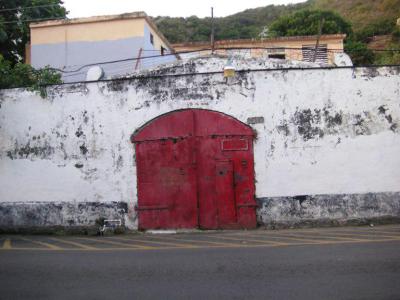
Constructed during the mid-19th century, Her Majesty's Prison Museum has weathered numerous events since the era of plantation society in the 18th century. For more than a century, this imposing structure housed prisoners in conditions that were often primitive and challenging. The humid barred cells, where prisoners were confined, offer a stark reminder of the harsh realities endured by those who found themselves on the wrong side of the law.
The history of Her Majesty's Prison Museum is tinged with tales of hardship and resilience. Visitors are transported back in time as they explore the corridors and chambers of this historic institution. From the eerie confines of the gallows chamber, where the last victim met their fate in the 1970s, to the dimly lit cells that once held prisoners captive, the museum offers a poignant glimpse into the darker chapters of the island's past.
Informative, docent-led tours provide visitors with insights into island history and the administration of justice from the colonial period into the early 21st century. Through guided exploration, visitors gain a deeper understanding of the social, cultural, and legal dynamics that have shaped the British Virgin Islands over the centuries.
The history of Her Majesty's Prison Museum is tinged with tales of hardship and resilience. Visitors are transported back in time as they explore the corridors and chambers of this historic institution. From the eerie confines of the gallows chamber, where the last victim met their fate in the 1970s, to the dimly lit cells that once held prisoners captive, the museum offers a poignant glimpse into the darker chapters of the island's past.
Informative, docent-led tours provide visitors with insights into island history and the administration of justice from the colonial period into the early 21st century. Through guided exploration, visitors gain a deeper understanding of the social, cultural, and legal dynamics that have shaped the British Virgin Islands over the centuries.
4) Sunny Caribbee Spice Shop and Art Gallery
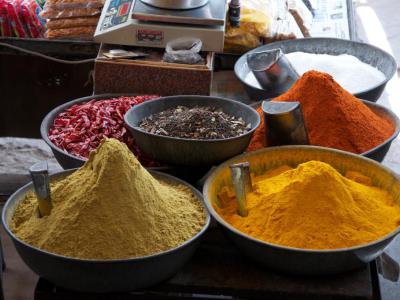
Located on Main Street, Sunny Caribbee Spice Shop and Art Gallery has been a beloved fixture for more than 30 years, offering a delightful array of Caribbean spices, gifts, and artwork.
For travelers seeking the perfect and affordable gift to take home to friends, family, or neighbors, Sunny Caribbee is the ideal destination. The shop boasts some of the best spice blends available, with flavors that tantalize the taste buds. Their mild curry blend, in particular, has garnered acclaim, while the mango chutney is simply fabulous, adding a burst of tropical flavor to any dish.
One of the charms of Sunny Caribbee lies in its attractive packaging, which showcases Caribbean herbs, spices, seasonings, condiments, sauces, chutneys, jams, and jellies. Each item is adorned with cute and colorful packaging that adds a touch of Caribbean flair to any kitchen. Visitors will find themselves tempted to keep these charming packages on display, where they can be admired by all.
As visitors peruse the shop, they are encouraged to keep their eyes open for hidden gems tucked away in plain sight. From Caribbean artwork and woodwork to pottery and metalwork, Sunny Caribbee boasts an eclectic collection of handcrafted treasures that capture the essence of the Caribbean spirit. The shop also offers a small selection of Caribbean books, providing insights into the culture, history, and cuisine of the region.
For travelers seeking the perfect and affordable gift to take home to friends, family, or neighbors, Sunny Caribbee is the ideal destination. The shop boasts some of the best spice blends available, with flavors that tantalize the taste buds. Their mild curry blend, in particular, has garnered acclaim, while the mango chutney is simply fabulous, adding a burst of tropical flavor to any dish.
One of the charms of Sunny Caribbee lies in its attractive packaging, which showcases Caribbean herbs, spices, seasonings, condiments, sauces, chutneys, jams, and jellies. Each item is adorned with cute and colorful packaging that adds a touch of Caribbean flair to any kitchen. Visitors will find themselves tempted to keep these charming packages on display, where they can be admired by all.
As visitors peruse the shop, they are encouraged to keep their eyes open for hidden gems tucked away in plain sight. From Caribbean artwork and woodwork to pottery and metalwork, Sunny Caribbee boasts an eclectic collection of handcrafted treasures that capture the essence of the Caribbean spirit. The shop also offers a small selection of Caribbean books, providing insights into the culture, history, and cuisine of the region.
5) Main Street (must see)
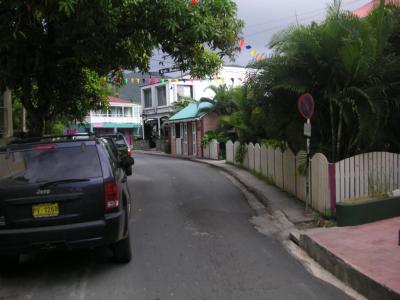
Main Street is a lively and historic stretch that gives visitors a clear sense of how the British Virgin Islands blend past and present. Lined with colorful colonial-style buildings, small shops, and government offices, it remains the traditional center of activity in the capital. The street once formed the town’s main commercial route, and it continues to serve that role today, offering a mix of practical services and locally owned businesses.
As you continue down the street, look for the older wooden buildings with red tin roofs and decorative trim — quiet reminders of an earlier era. The shops along the way range from small art galleries to island and resort wear, spices, handcrafted jewelry, nautical antiques, toy shops, wine sellers, and bakeries.
One place you shouldn’t miss is Sir Olva Georges Plaza. It honors the only BVIslander to receive a knighthood and once housed key government offices. Many locals recall market days here, when horses and donkeys were tied between the Old Post Office and the pharmacy.
The plaza remains an active gathering point. If you come early on a Saturday morning, you’ll find farmers arranging fresh produce and homemade goods while chatting with neighbors. Just across from the plaza, near the Eastern Caribbean Court Building, fisherfolk from Anegada arrive on Tuesdays and Thursdays with lobster, conch, and fish when in season.
As you continue down the street, look for the older wooden buildings with red tin roofs and decorative trim — quiet reminders of an earlier era. The shops along the way range from small art galleries to island and resort wear, spices, handcrafted jewelry, nautical antiques, toy shops, wine sellers, and bakeries.
One place you shouldn’t miss is Sir Olva Georges Plaza. It honors the only BVIslander to receive a knighthood and once housed key government offices. Many locals recall market days here, when horses and donkeys were tied between the Old Post Office and the pharmacy.
The plaza remains an active gathering point. If you come early on a Saturday morning, you’ll find farmers arranging fresh produce and homemade goods while chatting with neighbors. Just across from the plaza, near the Eastern Caribbean Court Building, fisherfolk from Anegada arrive on Tuesdays and Thursdays with lobster, conch, and fish when in season.
6) Queen Elizabeth II Park
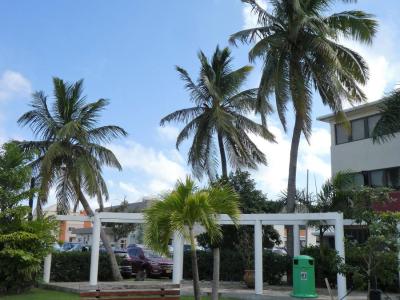
Queen Elizabeth II Park is a popular destination that offers a calm escape from the busy surroundings of Road Town. Established in 1974, it is one of the oldest parks on Tortola and provides both locals and visitors with a peaceful retreat by the Caribbean Sea.
Located along McNamara Street, the park stretches along the shoreline and offers broad views of the water and surrounding greenery. Its setting makes it a frequent gathering place for leisure and community activities.
The park is divided into two main areas, each with its own features. The central section includes winding pathways that lead through landscaped gardens, where visitors can walk among a variety of trees and plants. It is a welcoming spot for relaxed strolls and quiet moments outdoors.
Adjacent to the main area, on the right-hand side when entering from McNamara Street, is a designated play zone for children. Here, young visitors can enjoy swings and other recreational equipment, while shaded arbors provide a comfortable place for parents to sit and supervise.
Located along McNamara Street, the park stretches along the shoreline and offers broad views of the water and surrounding greenery. Its setting makes it a frequent gathering place for leisure and community activities.
The park is divided into two main areas, each with its own features. The central section includes winding pathways that lead through landscaped gardens, where visitors can walk among a variety of trees and plants. It is a welcoming spot for relaxed strolls and quiet moments outdoors.
Adjacent to the main area, on the right-hand side when entering from McNamara Street, is a designated play zone for children. Here, young visitors can enjoy swings and other recreational equipment, while shaded arbors provide a comfortable place for parents to sit and supervise.
7) Fort Burt
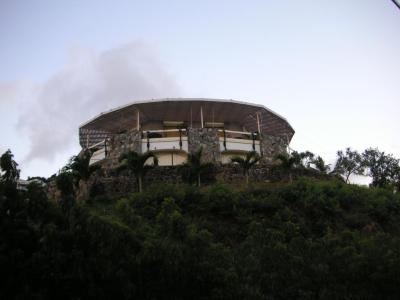
Fort Burt stands on a hillside overlooking Road Town, offering a clear look into the area’s former defensive system. The exact date of its earliest construction is uncertain, though some accounts suggest that a fortification may have existed here before the British rebuilt it in 1776. At that time, it was renamed in honor of William Mathew Burt, the Governor of the Leeward Islands.
Despite its strategic position, Fort Burt never fired a shot under British command. Road Town’s defenses, combined with Tortola’s limited strategic and economic value, discouraged rival colonial powers as well as privateers and pirates from targeting the island. Over time, the fort again fell into disrepair. In 1953, Commander Christopher Hammersley and his wife purchased the property and developed what became Tortola’s first hotel.
To reach the site, climb the stairs from Sir Francis Drake Highway. At the top, the Fort Burt Hotel will be on your left. Look for the single surviving cannon displayed on the hotel veranda. The powder magazine is located near the hotel entrance, where original stonework is still visible. A few low walls and remnants of gun platforms can also be found around the hilltop.
Positioned above Road Harbour, the fort’s placement once offered a useful vantage point for observing ships approaching the bay. Today, the hotel and its restaurant allow guests to enjoy a meal on the terrace along with open views of the harbor and surrounding hills.
Despite its strategic position, Fort Burt never fired a shot under British command. Road Town’s defenses, combined with Tortola’s limited strategic and economic value, discouraged rival colonial powers as well as privateers and pirates from targeting the island. Over time, the fort again fell into disrepair. In 1953, Commander Christopher Hammersley and his wife purchased the property and developed what became Tortola’s first hotel.
To reach the site, climb the stairs from Sir Francis Drake Highway. At the top, the Fort Burt Hotel will be on your left. Look for the single surviving cannon displayed on the hotel veranda. The powder magazine is located near the hotel entrance, where original stonework is still visible. A few low walls and remnants of gun platforms can also be found around the hilltop.
Positioned above Road Harbour, the fort’s placement once offered a useful vantage point for observing ships approaching the bay. Today, the hotel and its restaurant allow guests to enjoy a meal on the terrace along with open views of the harbor and surrounding hills.
The Most Popular Cities
/ view all