

Audio Guide: St. John's Introduction Walking Tour (Self Guided), St. John`s
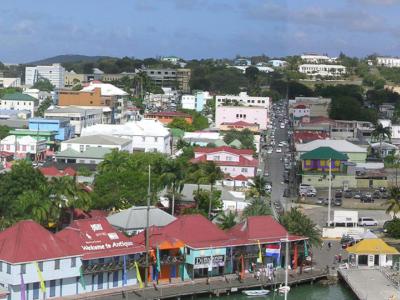
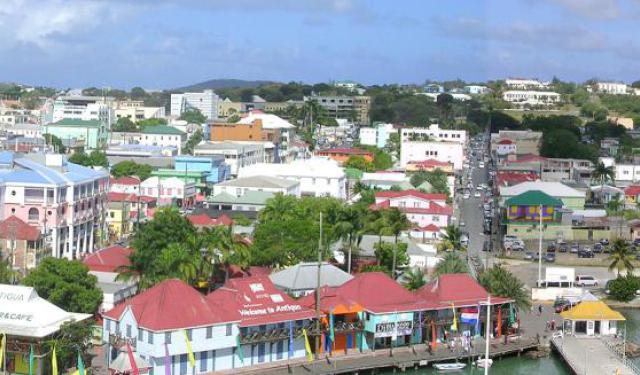
The capital of Antigua and Barbuda, Saint John’s doubles as the nation's primary port. Given its size (the largest city on the island) and the variety of attractions available, it is a favorite stop for Caribbean island-hopping cruises.
Saint John's is named for the island's patron saint and has a storied past deeply rooted in indigenous cultures and influenced by European colonizers and African slaves.
European colonization and diseases devastated the native population, but the former also led to the rise of lucrative sugar plantations, shaping the island's economy. Saint John's was founded by English settlers in 1632 and in 1667 became the administrative center of the English possessions in Antigua and Barbuda. Its strategic importance in the 18th century, as the British Navy's Caribbean headquarters, brought development to the area.
By the mid-18th century, the city already had a fairly evolved industry, focused on the processing of sugar cane. To work on plantations and factories, African slaves were imported. Following the abolition of slavery in 1834, their descendants remained on the island and today make up the bulk of the local population.
From 1958 to 1962, Saint John's was part of the West Indies Federation, and then of an associated state with Great Britain. In 1981, after Antigua and Barbuda gained independence, Saint John's became the new nation's capital.
Despite numerous disasters, such as earthquakes, a fire, and hurricanes that hit the city throughout its history, Saint John’s remains a sensory delight for visitors, with its vibrant colonial-style architecture adorning the landscape and lively weekly markets showcasing local vendors selling an abundance of fresh produce.
One of the hallmark attractions here is Redcliffe Quay, a picturesque waterfront area lined with colorful buildings from the 17th and 18th centuries. Presently, it is a bustling hub for shopping, dining, and entertainment.
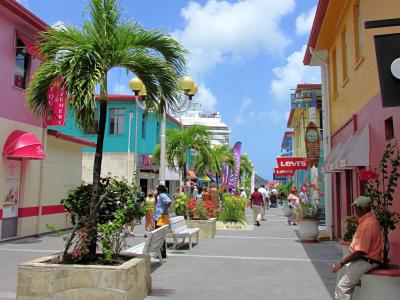
Adjacent to Redcliffe Quay is Heritage Quay, another popular destination for shopping and leisure. Here, visitors can explore a variety of duty-free shops, boutiques, and restaurants, all set against the backdrop of the Caribbean Sea.
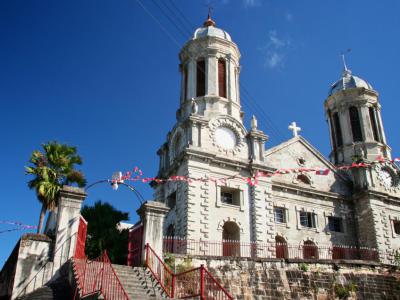
Dominating the city's skyline are the majestic Baroque-style white towers of Saint John's Cathedral. Built in the 19th century, this temple is the third on this site after two of its predecessors were destroyed by earthquakes.
Whenever you're out there cruising the Caribbean, make some time to visit Saint John's. Dive into its vibrant atmosphere by visiting the places featured in this self-guided walk and discover the magic of Antigua!
Saint John's is named for the island's patron saint and has a storied past deeply rooted in indigenous cultures and influenced by European colonizers and African slaves.
European colonization and diseases devastated the native population, but the former also led to the rise of lucrative sugar plantations, shaping the island's economy. Saint John's was founded by English settlers in 1632 and in 1667 became the administrative center of the English possessions in Antigua and Barbuda. Its strategic importance in the 18th century, as the British Navy's Caribbean headquarters, brought development to the area.
By the mid-18th century, the city already had a fairly evolved industry, focused on the processing of sugar cane. To work on plantations and factories, African slaves were imported. Following the abolition of slavery in 1834, their descendants remained on the island and today make up the bulk of the local population.
From 1958 to 1962, Saint John's was part of the West Indies Federation, and then of an associated state with Great Britain. In 1981, after Antigua and Barbuda gained independence, Saint John's became the new nation's capital.
Despite numerous disasters, such as earthquakes, a fire, and hurricanes that hit the city throughout its history, Saint John’s remains a sensory delight for visitors, with its vibrant colonial-style architecture adorning the landscape and lively weekly markets showcasing local vendors selling an abundance of fresh produce.
One of the hallmark attractions here is Redcliffe Quay, a picturesque waterfront area lined with colorful buildings from the 17th and 18th centuries. Presently, it is a bustling hub for shopping, dining, and entertainment.
Adjacent to Redcliffe Quay is Heritage Quay, another popular destination for shopping and leisure. Here, visitors can explore a variety of duty-free shops, boutiques, and restaurants, all set against the backdrop of the Caribbean Sea.
Dominating the city's skyline are the majestic Baroque-style white towers of Saint John's Cathedral. Built in the 19th century, this temple is the third on this site after two of its predecessors were destroyed by earthquakes.
Whenever you're out there cruising the Caribbean, make some time to visit Saint John's. Dive into its vibrant atmosphere by visiting the places featured in this self-guided walk and discover the magic of Antigua!
How it works: Download the app "GPSmyCity: Walks in 1K+ Cities" from Apple App Store or Google Play Store to your mobile phone or tablet. The app turns your mobile device into a personal tour guide and its built-in GPS navigation functions guide you from one tour stop to next. The app works offline, so no data plan is needed when traveling abroad.
St. John's Introduction Walking Tour Map
Guide Name: St. John's Introduction Walking Tour
Guide Location: Antigua and Barbuda » St. John`s (See other walking tours in St. John`s)
Guide Type: Self-guided Walking Tour (Sightseeing)
# of Attractions: 5
Tour Duration: 1 Hour(s)
Travel Distance: 1.3 Km or 0.8 Miles
Author: DanaOffice
Sight(s) Featured in This Guide:
Guide Location: Antigua and Barbuda » St. John`s (See other walking tours in St. John`s)
Guide Type: Self-guided Walking Tour (Sightseeing)
# of Attractions: 5
Tour Duration: 1 Hour(s)
Travel Distance: 1.3 Km or 0.8 Miles
Author: DanaOffice
Sight(s) Featured in This Guide:
- Redcliffe Quay
- Heritage Quay
- Museum of Antigua and Barbuda
- St. John's Cathedral
- Government House
1) Redcliffe Quay (must see)
Overlooking the scenic harbor of St. John’s, Redcliffe Quay is one of Antigua’s most historic waterfront areas, with roots stretching back to the 17th and 18th centuries. Once a busy trading hub, it played an important role in maritime commerce, where goods such as rum, sugar, coffee, and enslaved people were exchanged between Antigua, Europe, and Africa. Today, the area has been transformed into a peaceful, shaded spot that offers a welcome break from the lively streets of St. John’s.
From the quay, visitors can take in views of the harbor, watching yachts glide across the water or admiring the massive cruise ships that dock nearby during the tourist season. The area’s calm atmosphere makes it a great place for a stroll along its cobblestone walkways and charming courtyards.
Redcliffe Quay is also a favorite spot for shopping and discovering local art. The area is lined with small boutiques and galleries that showcase the creativity and talent of Antiguan artisans. Visitors can find a wide variety of handmade items, including pottery, jewelry, paintings, clothing, shoes, and accessories, each reflecting the island’s culture and craftsmanship. Many of the shops feature locally produced goods made from regional materials, offering authentic souvenirs and gifts that support the local community.
From the quay, visitors can take in views of the harbor, watching yachts glide across the water or admiring the massive cruise ships that dock nearby during the tourist season. The area’s calm atmosphere makes it a great place for a stroll along its cobblestone walkways and charming courtyards.
Redcliffe Quay is also a favorite spot for shopping and discovering local art. The area is lined with small boutiques and galleries that showcase the creativity and talent of Antiguan artisans. Visitors can find a wide variety of handmade items, including pottery, jewelry, paintings, clothing, shoes, and accessories, each reflecting the island’s culture and craftsmanship. Many of the shops feature locally produced goods made from regional materials, offering authentic souvenirs and gifts that support the local community.
2) Heritage Quay (must see)
Heritage Quay is a vibrant shopping district in the heart of St. John’s, perfectly positioned along the harbor and surrounded by the city’s historic streets. It’s one of the best-known duty-free shopping destinations in the Caribbean, attracting visitors with its variety of quality goods and its convenient waterfront setting.
The area is easy to explore, with open walkways and plenty of shops offering a wide mix of products. Visitors can browse for perfumes, spirits, cigars, jewelry, designer clothing, leather accessories, and fine crystal—all at duty-free prices. Alongside international brands, there are stores that feature locally made crafts and Caribbean specialties, giving shoppers a chance to pick up something unique from Antigua.
When cruise ships arrive, Heritage Quay becomes even more lively. The streets fill with visitors enjoying the shops, while the sounds of steel bands and local musicians create a cheerful island atmosphere. The mix of shopping, entertainment, and harbor views makes it a fun and energetic place to spend time.
Heritage Quay also offers plenty of spots to relax between browsing. Cafés, bars, and nearby restaurants provide space to unwind and take in the view of the harbor.
The area is easy to explore, with open walkways and plenty of shops offering a wide mix of products. Visitors can browse for perfumes, spirits, cigars, jewelry, designer clothing, leather accessories, and fine crystal—all at duty-free prices. Alongside international brands, there are stores that feature locally made crafts and Caribbean specialties, giving shoppers a chance to pick up something unique from Antigua.
When cruise ships arrive, Heritage Quay becomes even more lively. The streets fill with visitors enjoying the shops, while the sounds of steel bands and local musicians create a cheerful island atmosphere. The mix of shopping, entertainment, and harbor views makes it a fun and energetic place to spend time.
Heritage Quay also offers plenty of spots to relax between browsing. Cafés, bars, and nearby restaurants provide space to unwind and take in the view of the harbor.
3) Museum of Antigua and Barbuda
The Museum of Antigua & Barbuda, opened in 1985, is run by the Historical & Archaeological Society, a private non-profit organization dedicated to preserving the islands’ history. The museum is housed in the historic St. John’s Court House, built in 1750, making it one of the oldest buildings in the capital. It offers visitors a journey through Antigua and Barbuda’s past, from the islands’ geological formation to their path to political independence.
The museum focuses on collecting and preserving artifacts, welcoming contributions through field collecting, gifts, loans, and exchanges. Exhibits cover a wide range of topics, including archaeology, history, and natural history, giving visitors a well-rounded understanding of Antigua and Barbuda.
In addition to its exhibits, the museum maintains a reference library and computer databases with 25,000 records, making it a valuable resource for researchers and anyone interested in exploring the details of the nation’s heritage. Informational displays, artifacts, and interactive elements allow visitors to learn about the islands’ history in an engaging and accessible way.
The museum focuses on collecting and preserving artifacts, welcoming contributions through field collecting, gifts, loans, and exchanges. Exhibits cover a wide range of topics, including archaeology, history, and natural history, giving visitors a well-rounded understanding of Antigua and Barbuda.
In addition to its exhibits, the museum maintains a reference library and computer databases with 25,000 records, making it a valuable resource for researchers and anyone interested in exploring the details of the nation’s heritage. Informational displays, artifacts, and interactive elements allow visitors to learn about the islands’ history in an engaging and accessible way.
4) St. John's Cathedral (must see)
Saint John’s Cathedral, also known as Saint John the Divine, is one of the most notable landmarks in Antigua, recognized for its white twin towers. The current cathedral, built on a fossilized reef, is the latest in a series of churches on this site dating back to 1845. Previous structures were destroyed by earthquakes in 1683 and 1745.
The cathedral was designed by Thomas Fuller of Bath, England, and constructed under the supervision of F.W. Rowe of Bristol. The south entrance features iron gates framed by pillars with statues of Saint John the Divine and Saint John the Baptist. These statues are said to have been taken from a French ship in 1756 that was headed for Martinique, adding a unique historical element to the cathedral’s architecture.
Situated at the highest point in Saint John’s, the cathedral not only serves as a place of worship but also provides panoramic views of the town and the surrounding coastline. Its twin towers stand out against the skyline, making the cathedral an easy reference point for both locals and visitors exploring the area.
Visitors to Saint John’s Cathedral can admire its architectural details, explore the history of the site, and enjoy the views from its elevated position. The cathedral remains an active center for religious services while also offering insight into Antigua’s history and the role of faith in the island’s development.
The cathedral was designed by Thomas Fuller of Bath, England, and constructed under the supervision of F.W. Rowe of Bristol. The south entrance features iron gates framed by pillars with statues of Saint John the Divine and Saint John the Baptist. These statues are said to have been taken from a French ship in 1756 that was headed for Martinique, adding a unique historical element to the cathedral’s architecture.
Situated at the highest point in Saint John’s, the cathedral not only serves as a place of worship but also provides panoramic views of the town and the surrounding coastline. Its twin towers stand out against the skyline, making the cathedral an easy reference point for both locals and visitors exploring the area.
Visitors to Saint John’s Cathedral can admire its architectural details, explore the history of the site, and enjoy the views from its elevated position. The cathedral remains an active center for religious services while also offering insight into Antigua’s history and the role of faith in the island’s development.
5) Government House
Government House in St. John’s is a key symbol of Antigua and Barbuda’s history, reflecting the islands’ journey from slavery to emancipation in 1834 and independence in 1981. Established on the site of a parsonage dating back to the 1700s, it has served as the official residence of the Governor General since 1800. Today, the house continues to represent the Governor General as the official representative of the Head of State.
The main building, constructed in traditional West Indian style, is surrounded by historic outbuildings that once served practical purposes, including carriage houses, stables, kitchens, laundry buildings, servants’ quarters, cisterns, limestone filters, and gardens. A masonry wall encloses the complex, adding to the site’s architectural and historical significance.
Over the years, Government House has survived fires, hurricanes, earthquakes, and termite damage, making it one of the most enduring historic buildings in Antigua and Barbuda. At one point, the structure was threatened with demolition, but the intervention of Governor-General Sir Rodney Williams helped preserve it for future generations.
Visitors to Government House can appreciate its historical importance, explore its grounds, and get a sense of Antigua and Barbuda’s colonial and post-independence heritage. The site provides insight into the island’s governance history and the daily life of those who lived and worked within this important complex.
The main building, constructed in traditional West Indian style, is surrounded by historic outbuildings that once served practical purposes, including carriage houses, stables, kitchens, laundry buildings, servants’ quarters, cisterns, limestone filters, and gardens. A masonry wall encloses the complex, adding to the site’s architectural and historical significance.
Over the years, Government House has survived fires, hurricanes, earthquakes, and termite damage, making it one of the most enduring historic buildings in Antigua and Barbuda. At one point, the structure was threatened with demolition, but the intervention of Governor-General Sir Rodney Williams helped preserve it for future generations.
Visitors to Government House can appreciate its historical importance, explore its grounds, and get a sense of Antigua and Barbuda’s colonial and post-independence heritage. The site provides insight into the island’s governance history and the daily life of those who lived and worked within this important complex.
The Most Popular Cities
/ view all