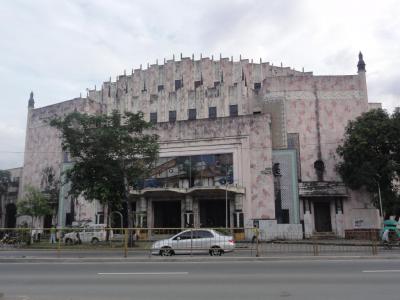


Manila Metropolitan Theater, Manila
The Manila Metropolitan Theater is an example of Philippine Art Deco architecture, designed by architect Juan M. Arellano. In 1862, the Prince Alfonso XII Theater was erected close to where the Metropolitan Theater stands today. Unfortunately, it was destroyed by fire in 1876.
During the American Colonial period in 1924, plans for constructing a theater in Manila were conceived. Construction commenced in 1930, and the theater was officially inaugurated on December 10, 1931. Over the years, it hosted various performances including zarzuelas, dramas, and translations of foreign classics.
The façade of the Metropolitan Theater features a central stained glass window framed like a stage, adorned with the name "Metropolitan" and surrounded by flora and fauna motifs. The curved walls on either end are decorated with colorful tiles reminiscent of Southeast Asian batik patterns. Zigzag and wavy line moldings complement the multi-colored walls. The entrance is distinguished by Angkor Wat-inspired minarets atop the concave roof, and elaborate wrought iron gates patterned with leaf designs and lines. Capiz lamps and banana-leaf pillars adorn the ground level.
During World War II, the theater suffered partial damage to its roof and walls. In the post-war period, it was repurposed as a boxing arena, motel, gay bar, basketball court, and squatter settlement. Restoration efforts began in 1978 under the initiative of then-Governor of Metro Manila, Imelda Marcos, with Otilio, Juan Arellano's nephew, leading the project.
In May 2015, the Department of Budget and Management allocated Php 270 million from the National Endowment Fund for Culture to commence the rehabilitation of the Met.
During the American Colonial period in 1924, plans for constructing a theater in Manila were conceived. Construction commenced in 1930, and the theater was officially inaugurated on December 10, 1931. Over the years, it hosted various performances including zarzuelas, dramas, and translations of foreign classics.
The façade of the Metropolitan Theater features a central stained glass window framed like a stage, adorned with the name "Metropolitan" and surrounded by flora and fauna motifs. The curved walls on either end are decorated with colorful tiles reminiscent of Southeast Asian batik patterns. Zigzag and wavy line moldings complement the multi-colored walls. The entrance is distinguished by Angkor Wat-inspired minarets atop the concave roof, and elaborate wrought iron gates patterned with leaf designs and lines. Capiz lamps and banana-leaf pillars adorn the ground level.
During World War II, the theater suffered partial damage to its roof and walls. In the post-war period, it was repurposed as a boxing arena, motel, gay bar, basketball court, and squatter settlement. Restoration efforts began in 1978 under the initiative of then-Governor of Metro Manila, Imelda Marcos, with Otilio, Juan Arellano's nephew, leading the project.
In May 2015, the Department of Budget and Management allocated Php 270 million from the National Endowment Fund for Culture to commence the rehabilitation of the Met.
Want to visit this sight? Check out these Self-Guided Walking Tours in Manila. Alternatively, you can download the mobile app "GPSmyCity: Walks in 1K+ Cities" from Apple App Store or Google Play Store. The app turns your mobile device to a personal tour guide and it works offline, so no data plan is needed when traveling abroad.
Download The GPSmyCity App



Manila Metropolitan Theater on Map
Sight Name: Manila Metropolitan Theater
Sight Location: Manila, Philippines (See walking tours in Manila)
Sight Type: Attraction/Landmark
Guide(s) Containing This Sight:
Sight Location: Manila, Philippines (See walking tours in Manila)
Sight Type: Attraction/Landmark
Guide(s) Containing This Sight:
Nearby Sights

Walking Tours in Manila, Philippines

Create Your Own Walk in Manila
Creating your own self-guided walk in Manila is easy and fun. Choose the city attractions that you want to see and a walk route map will be created just for you. You can even set your hotel as the start point of the walk.
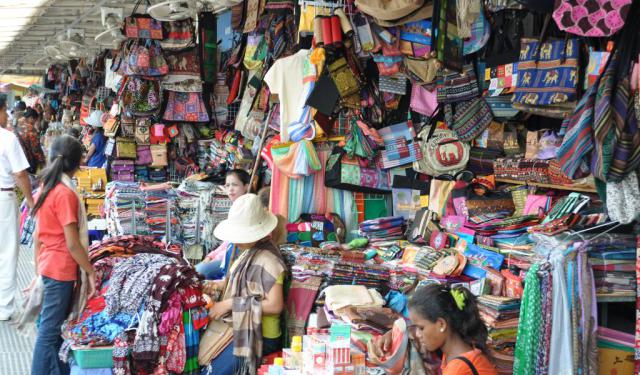
Traditional Markets
Traditional markets showcase a unique aspect of life in any city. The ones featured in this walk offer a glance into the authentic life and habits of Manila’s people and play a vital role in the Philippines' capital's economic and cultural landscape. Traditionally, local markets sell a broader range of products than regular shops can provide: from veggies and fruits to dried fish and... view more
Tour Duration: 1 Hour(s)
Travel Distance: 3.0 Km or 1.9 Miles
Tour Duration: 1 Hour(s)
Travel Distance: 3.0 Km or 1.9 Miles
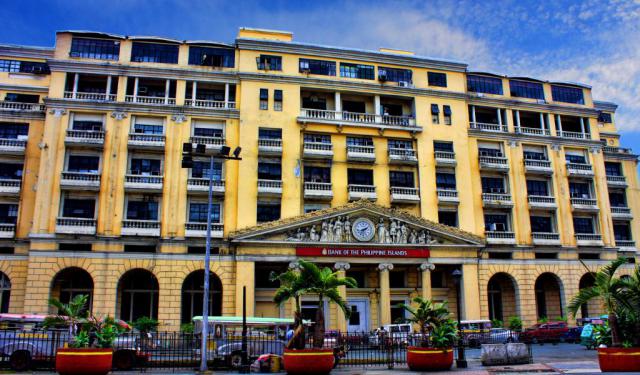
Historical Buildings Walking Tour
Every city tells a story, but few have witnessed as many triumphs and tragedies as Manila. Behind these façades lie the chapters of empire, revolution, war, and rebirth. As José Rizal wisely observed, 'To foretell the destiny of a nation, it is necessary to open the book that tells of her past.'
The historic buildings of Manila tell the story of more than four centuries of... view more
Tour Duration: 2 Hour(s)
Travel Distance: 3.3 Km or 2.1 Miles
The historic buildings of Manila tell the story of more than four centuries of... view more
Tour Duration: 2 Hour(s)
Travel Distance: 3.3 Km or 2.1 Miles
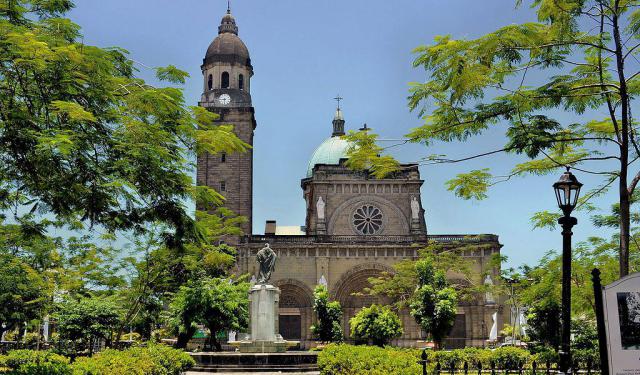
Manila Old Town (Intramuros) Walking Tour
For centuries, travelers arrived here searching for the 'Pearl of the Orient.' Behind these walls lies a city where Asian kingdoms, Spanish conquistadors, American planners, and Filipino revolutionaries all left their mark.
Manila, the capital of the Philippines, is one of Southeast Asia's oldest continuously inhabited cities and has served for centuries as the country's... view more
Tour Duration: 2 Hour(s)
Travel Distance: 2.3 Km or 1.4 Miles
Manila, the capital of the Philippines, is one of Southeast Asia's oldest continuously inhabited cities and has served for centuries as the country's... view more
Tour Duration: 2 Hour(s)
Travel Distance: 2.3 Km or 1.4 Miles
Useful Travel Guides for Planning Your Trip

Manila Shopping: 20 Filipino Goods To Bring Home
An archipelago of 7,000+ islands, The Philippines is a diverse nation populated by different tribes, each having their own culture and traditions. In Manila, one can find a whole lot of things worth keeping as a Filipino memento; it just might take one a little while to figure out what's best...