

Sumiyoshi-Taisha, Osaka
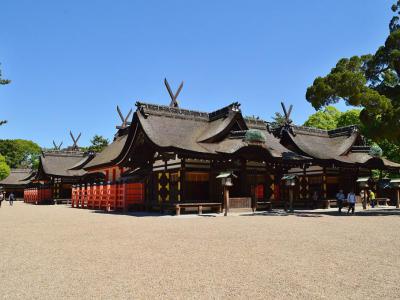
Sumiyoshi-Taisha, also known as Sumiyoshi Grand Shrine, is a prominent Shinto shrine located in Sumiyoshi-ku, Osaka. It serves as the head shrine for all Sumiyoshi shrines across the country. Despite its prominence, it is important to note that the oldest shrine dedicated to the Sumiyoshi sanjin-the three Sumiyoshi deities-is the Sumiyoshi Shrine in Hakata.
Locally referred to as Sumiyoshi-san or Sumiyossan, Sumiyoshi-Taisha is especially renowned for the large number of visitors it attracts during the New Year's Day celebration of hatsumōde. This event marks the first shrine visit of the year, a practice steeped in significance and tradition in Japanese culture.
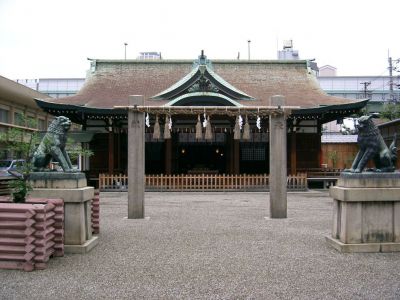
Sumiyoshi-Taisha is also famous for its distinctive architectural style known as Sumiyoshi-zukuri, which is characterized by straight roofs with horizontal beams, a style unique to ancient Shinto architecture and unrelated to the influence of Buddhism that affected many other styles in Japan.
The historical significance of Sumiyoshi-Taisha was further cemented during the Heian period when it received Imperial patronage. In 965, Emperor Murakami decreed that Imperial messengers would deliver reports of important events to the guardian kami of Japan, with Sumiyoshi-Taisha being one of the 16 shrines to receive these ritual offerings.
In addition, the shrine was designated as the chief Shinto shrine, for the former Settsu Province, underscoring its preeminent status in the region. From 1871 through 1946, it was recognized as one of the Kanpei-Taisha, placing it in the first rank of government-supported shrines during that period. This designation highlights its crucial role in the spiritual and cultural fabric of Japan.
Locally referred to as Sumiyoshi-san or Sumiyossan, Sumiyoshi-Taisha is especially renowned for the large number of visitors it attracts during the New Year's Day celebration of hatsumōde. This event marks the first shrine visit of the year, a practice steeped in significance and tradition in Japanese culture.
Sumiyoshi-Taisha is also famous for its distinctive architectural style known as Sumiyoshi-zukuri, which is characterized by straight roofs with horizontal beams, a style unique to ancient Shinto architecture and unrelated to the influence of Buddhism that affected many other styles in Japan.
The historical significance of Sumiyoshi-Taisha was further cemented during the Heian period when it received Imperial patronage. In 965, Emperor Murakami decreed that Imperial messengers would deliver reports of important events to the guardian kami of Japan, with Sumiyoshi-Taisha being one of the 16 shrines to receive these ritual offerings.
In addition, the shrine was designated as the chief Shinto shrine, for the former Settsu Province, underscoring its preeminent status in the region. From 1871 through 1946, it was recognized as one of the Kanpei-Taisha, placing it in the first rank of government-supported shrines during that period. This designation highlights its crucial role in the spiritual and cultural fabric of Japan.
Want to visit this sight? Check out these Self-Guided Walking Tours in Osaka. Alternatively, you can download the mobile app "GPSmyCity: Walks in 1K+ Cities" from Apple App Store or Google Play Store. The app turns your mobile device to a personal tour guide and it works offline, so no data plan is needed when traveling abroad.
Download The GPSmyCity App



Sumiyoshi-Taisha on Map
Sight Name: Sumiyoshi-Taisha
Sight Location: Osaka, Japan (See walking tours in Osaka)
Sight Type: Religious
Sight Location: Osaka, Japan (See walking tours in Osaka)
Sight Type: Religious
Nearby Sights


Walking Tours in Osaka, Japan

Create Your Own Walk in Osaka
Creating your own self-guided walk in Osaka is easy and fun. Choose the city attractions that you want to see and a walk route map will be created just for you. You can even set your hotel as the start point of the walk.
A Walk in Osaka's Historic and Vibrant City Center
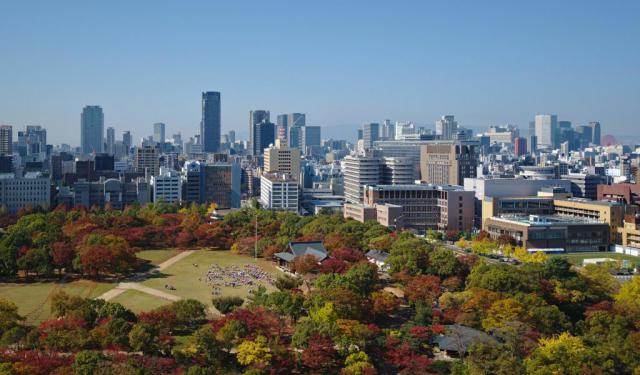
Osaka is Japan’s third-largest city and the country’s second-largest metropolitan area-but its story starts long before population rankings mattered. Archaeology places people here more than 2,000 years ago, which means this isn’t a city that appeared overnight. It grew steadily, helped along by geography.
Sitting between Osaka Bay and the Yodo River, it was perfectly positioned to move... view more
Tour Duration: 2 Hour(s)
Travel Distance: 4.9 Km or 3 Miles
Sitting between Osaka Bay and the Yodo River, it was perfectly positioned to move... view more
Tour Duration: 2 Hour(s)
Travel Distance: 4.9 Km or 3 Miles
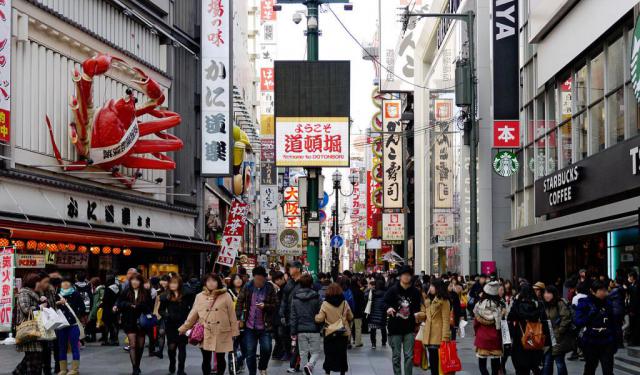
Osaka Shopping and Dining Walking Tour
As well as being an exciting Western-style city full of cool entertainment and cultural attractions, Osaka is a great place for shopping. The appealing range of shopping venues here includes covered arcades, malls, thoroughfares, and more. Let's take a closer look at some of these locations.
Shinsaibashi Shopping Street is a bustling retail district renowned for its upscale stores and... view more
Tour Duration: 1 Hour(s)
Travel Distance: 2.2 Km or 1.4 Miles
Shinsaibashi Shopping Street is a bustling retail district renowned for its upscale stores and... view more
Tour Duration: 1 Hour(s)
Travel Distance: 2.2 Km or 1.4 Miles
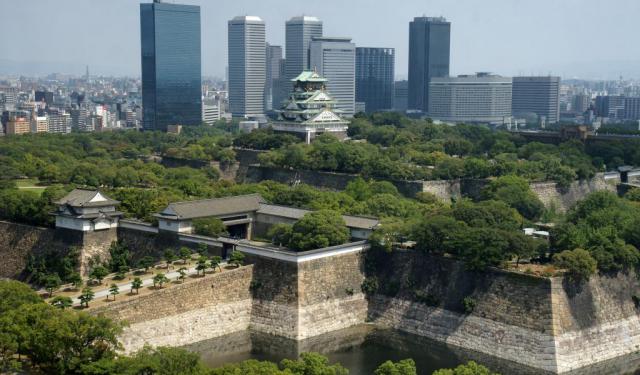
Osaka Castle Park Walking Tour
Osaka Castle Park looks, at first glance, like a generous patch of green dropped neatly into the middle of the city. Nearly two square kilometers of lawns, paths, and sports fields stretch along the south bank of the Okawa River, giving Osaka a place to breathe. But don’t let the joggers and picnic blankets fool you-this ground has been busy shaping history for more than five centuries.
Long... view more
Tour Duration: 1 Hour(s)
Travel Distance: 2.9 Km or 1.8 Miles
Long... view more
Tour Duration: 1 Hour(s)
Travel Distance: 2.9 Km or 1.8 Miles
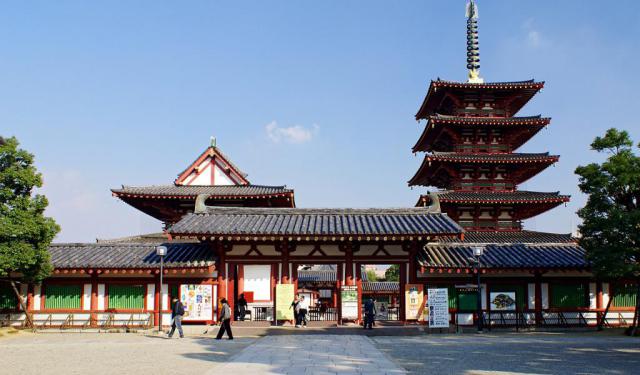
Tennoji Shrines and Temples Walking Tour
Osaka is Japan’s third largest city. It is therefore not at all surprising to find within its boundaries many religious sites. Tennoji, a district of Osaka steeped in cultural and historical significance, is particularly rich in terms of beautiful temples and shrines.
Ikukunitama Shrine, nestled amidst the city's clamor, is a dedication to the deity Ikukunitama-no-mikoto, offering... view more
Tour Duration: 2 Hour(s)
Travel Distance: 3.5 Km or 2.2 Miles
Ikukunitama Shrine, nestled amidst the city's clamor, is a dedication to the deity Ikukunitama-no-mikoto, offering... view more
Tour Duration: 2 Hour(s)
Travel Distance: 3.5 Km or 2.2 Miles