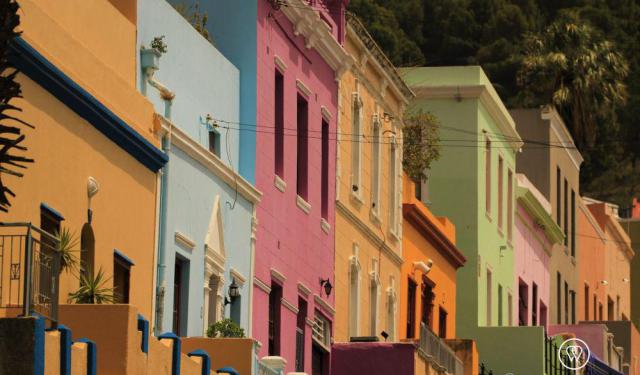


Offbeat Cape Town, Cape Town, South Africa
Parading the V&A Waterfront, going wine-tasting in the vineyards, exploring Cape Point, Boulders Beach, Robben Island and Table Mountain, just a grab of the many must-do’s when visiting Cape Town. But before soaking up South Africa’s moving history on Robben Island, indulging yourself to good food, delicious wine or taking selfies from the top of Table Mountain overlooking the magnificent views of the City Bowl, there is one activity that deserves a little more attention: discovering the real Cape Town with a local.
It is in front of the Prins and Prins Diamond store and museum that we meet the passionate Ursula, our South African guide who grew up in the Mother City and who knows all of its secrets and backstreets. After giving each of us the elevator look and telling us which piece of jewellery to put away (after all, this is still South Africa!), she claims enthusiastically: “There is a story at every street corner!” As we follow her eyes to admire the beautiful colonial building: “Take Prins & Prins for instance, this used to be the wine cellar of the Huguenots back in the 17th century.”
Cape Town is intimately linked to its early Dutch history easily noticed on street signs: Hout Street, Loop Street, Breestreet, Buitengracht (or outer canal as yes, the Dutch also built canals here to supply the city with fresh drinking water). Crossing the outer canal that is long gone, we find ourselves surrounded by small colourful houses lined up along steep cobble stone streets: the photogenic Bo-Kaap area is home to the oldest Muslim community in South Africa. Often referred to as Cape Malay, this community finds its roots in the island states of the Far East where the Dutch East India Company (or VOC) operated. The Cape colony was used by the VOC to send in exile influential Muslims and slaves from Java, Indonesia, Malaysia, etc. to resupply passing ships… Ursula explains: “Over time, the populations have mixed also with other slaves from Madagascar and other African countries. Today it is a large and vibrant Muslim community.” Ursula continues: “Bo-Kaap has not always been as peaceful and colourful as today. In 1934 it was declared a slum, but the government did not tear it down as it was too expensive. Restoration started in the mid-1960s and this is when ...... (follow the instructions below for accessing the rest of this article).
How it works: The full article is featured in the app "GPSmyCity: Walks in 1K+ Cities" on Apple App Store and Google Play Store.
Download the app to your mobile device to read the article offline and create a self-guided walking tour to visit the sights featured in this article. The app's navigation functions guide you from one sight to the next. The app works offline, so no data plan is needed when traveling abroad.
Download The GPSmyCity App



Sights Featured in This Article
Guide Name: Offbeat Cape Town
Guide Location: South Africa » Cape Town
Guide Type: Self-guided Walking Tour (Insider Tips)
Author: Marcella Van Alphen
Read it on Author's Website: https://bestregardsfromfar.com/2018/04/16/cape-town-south-africa/
Sight(s) Featured in This Guide:
Guide Location: South Africa » Cape Town
Guide Type: Self-guided Walking Tour (Insider Tips)
Author: Marcella Van Alphen
Read it on Author's Website: https://bestregardsfromfar.com/2018/04/16/cape-town-south-africa/
Sight(s) Featured in This Guide:
- Prins and Prins Diamond
- Hout Street
- Breestreet
- Buitengracht
- Bo-Kaap area
- Groote Kerk
- Saint George’s Cathedral
- Strand Street
- Cape Town City Hall
- The Old Mutual
Insider Tips for Cape Town, South Africa
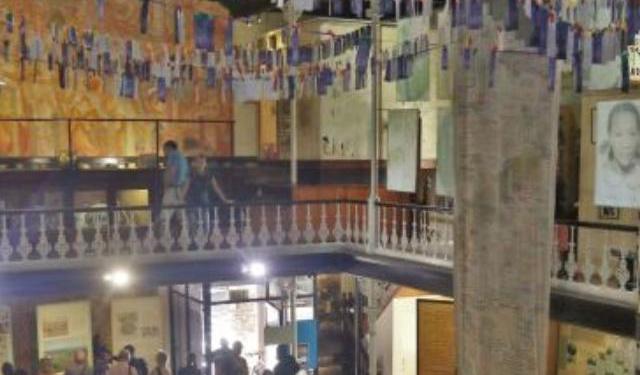
District Six Museum, Cape Town: A Commemoration Ground
Today, the area once known as District Six lies among the posh Capetonian suburbs of Walmer Estate, Zonnebloem, and Lower Vrede. A large part of District Six is still an empty land even though some new houses have been built to which a total of 139 families have returned.

How to Explorer Cape Town on the Cheap
Although Cape Town is a modern and cosmopolitan city, there’s much to see and do if visiting on a budget. By western standards, life in Cape Town is very affordable– this was a factor in why decided to live there briefly.

Shopping in Cape Town: Top 16 Trip Mementos
The many hopes pinned on this place (Cape of Good Hope) by passing-by sailors over the centuries must have done a good job for Cape Town, seeing it become a colorful cultural hub and prominent metropolis (3rd largest) in South Africa.

Cape Town Walk
When I first landed in Cape Town I expected to stay a week, maybe two. Before I knew it, a month had passed, and I was still in love with it. The city is much larger than I at first realized. That size is compounded by the very different neighborhoods that can make you feel like you’re crossing through cities even though you’re in the same one. This will be the first of two blog posts on... view more

Exploring the World of Gin in Cape Town, South Africa
Gin, a spirit with a rich history dating back to the Middle-Ages, has experienced a remarkable rebirth in recent years, captivating palates with its diverse flavours and botanical blends. Let us delve into its intriguing past, explore some notable distilleries, craft our own and savour its nuances through expert tastings to learn more about this versatile drink. Join us on a journey through the... view more
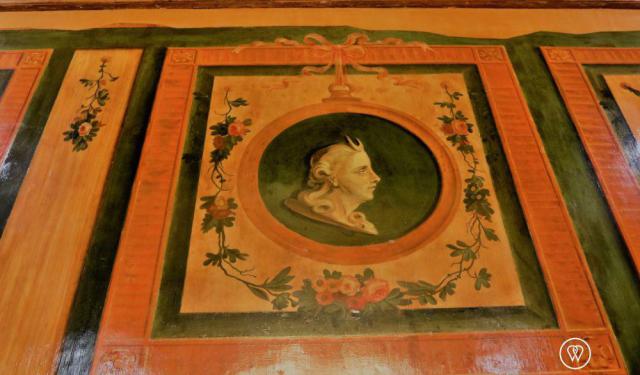
Prins & Prins: A Treasure Box with Gems
Walking the streets of Cape Town, one cannot miss the impressive colonial architecture of the Prins & Prins diamond store. Whether you are shopping for stones, interested in how they are dug up and cut, or curious about the early days of Cape Town, this is a door you want to push!
Useful Travel Guides for Planning Your Trip
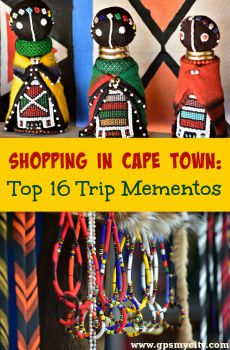
16 Distinctively South African Things to Buy in Cape Town
The many hopes pinned on this place (Cape of Good Hope) by passing-by sailors over the centuries must have done a good job for Cape Town, seeing it become a colorful cultural hub and prominent metropolis (3rd largest) in South Africa. Overlooking the meeting point of the two oceans (Indian and...
Insider Tips Overview
