Custom Walk in Krakow, Poland by susanne_ryberg_28aca6 created on 2026-03-25
Guide Location: Poland » Krakow
Guide Type: Custom Walk
# of Sights: 13
Tour Duration: 4 Hour(s)
Travel Distance: 7.4 Km or 4.6 Miles
Share Key: R69KT
Guide Type: Custom Walk
# of Sights: 13
Tour Duration: 4 Hour(s)
Travel Distance: 7.4 Km or 4.6 Miles
Share Key: R69KT
How It Works
Please retrieve this walk in the GPSmyCity app. Once done, the app will guide you from one tour stop to the next as if you had a personal tour guide. If you created the walk on this website or come to the page via a link, please follow the instructions below to retrieve the walk in the app.
Retrieve This Walk in App
Step 1. Download the app "GPSmyCity: Walks in 1K+ Cities" on Apple App Store or Google Play Store.



Step 2. In the GPSmyCity app, download(or launch) the guide "Krakow Map and Walking Tours".
Step 3. Tap the menu button located at upper right corner of the "Walks" screen and select "Retrieve custom walk". Enter the share key: R69KT
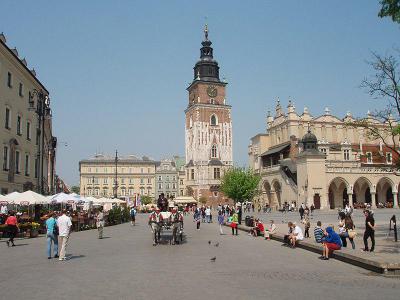
1) Rynek Główny (Main Square) (must see)
Kraków’s Main Square is the largest medieval square in Europe, serving as the vibrant heart of the city for more than 750 years. Covering nearly 40,000 square meters, it was laid out in 1257 after the Mongol invasion, when Kraków was rebuilt according to a new urban plan that emphasized order, trade, and civic life. The square quickly became the centre of commerce and public events, surrounded by merchant houses, noble residences, and key municipal buildings. Over the centuries, it has witnessed royal ceremonies, markets, festivals, uprisings-everything under the sun.
At the center of the square stands the Cloth Hall, a Renaissance trading hall that once formed part of the city’s major commercial network. Today, it houses craft stalls on the ground floor and an art gallery upstairs, continuing its tradition as a marketplace. Nearby rises the iconic St. Mary’s Basilica, distinguished by its two asymmetrical towers.
Elegant palaces line the perimeter, many now home to museums, cafés, and restaurants. Beneath the square, the Rynek Underground Museum reveals archaeological traces of medieval market stalls, roads, and merchant activity, immersing visitors in the city’s early urban history.
At the center of the square stands the Cloth Hall, a Renaissance trading hall that once formed part of the city’s major commercial network. Today, it houses craft stalls on the ground floor and an art gallery upstairs, continuing its tradition as a marketplace. Nearby rises the iconic St. Mary’s Basilica, distinguished by its two asymmetrical towers.
Elegant palaces line the perimeter, many now home to museums, cafés, and restaurants. Beneath the square, the Rynek Underground Museum reveals archaeological traces of medieval market stalls, roads, and merchant activity, immersing visitors in the city’s early urban history.
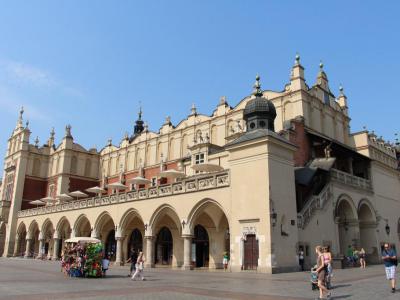
2) Sukiennice (Cloth Hall) (must see)
The Cloth Hall is a masterpiece of Renaissance architecture standing at the heart of the Main Square. Its origins go back to the 13th century, when a long, narrow market hall was built to house textile merchants who traded cloth, leather, and luxury fabrics from across Europe and the East. After a devastating fire in 1555, the building was rebuilt in the elegant Renaissance style that defines it today, complete with arcaded loggias, decorative attic parapets, and richly sculpted ornamentation designed by Italian architects working in Poland.
For centuries, the Cloth Hall was the commercial engine of Kraków. Merchants gathered here to exchange textiles, spices, wax, salt from the nearby mines, and exotic goods brought along the Silk Road routes. The ground floor remained a bustling trading space well into modern times, featuring the same rows of wooden merchant stalls seen centuries ago. Today, these stalls sell traditional crafts, handmade jewelry, carved wooden items, amber products, and local souvenirs. There is no shortage of things to browse.
Above the market hall, the upper floor houses a branch of the National Museum known as the Gallery of 19th-Century Polish Art. Its beautifully restored exhibition halls display works by celebrated painters such as Jan Matejko and Józef Mehoffer, giving visitors a chance to explore Poland’s Romantic and realist movements in a suitably grand setting. The gallery’s windows also offer charming views across the Main Square.
For centuries, the Cloth Hall was the commercial engine of Kraków. Merchants gathered here to exchange textiles, spices, wax, salt from the nearby mines, and exotic goods brought along the Silk Road routes. The ground floor remained a bustling trading space well into modern times, featuring the same rows of wooden merchant stalls seen centuries ago. Today, these stalls sell traditional crafts, handmade jewelry, carved wooden items, amber products, and local souvenirs. There is no shortage of things to browse.
Above the market hall, the upper floor houses a branch of the National Museum known as the Gallery of 19th-Century Polish Art. Its beautifully restored exhibition halls display works by celebrated painters such as Jan Matejko and Józef Mehoffer, giving visitors a chance to explore Poland’s Romantic and realist movements in a suitably grand setting. The gallery’s windows also offer charming views across the Main Square.
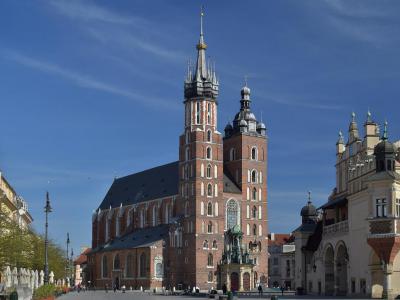
3) Basilica of St. Mary (must see)
Saint Mary's Basilica is one of the city’s most iconic landmarks, rising over the Main Market Square with its distinctive pair of uneven towers. Its history stretches back to the early 13th century, when the original church was built on the foundations of an even earlier Romanesque structure. After the Mongol invasion of 1241 left much of Kraków in ruins, the church was rebuilt in Gothic style, taking on its recognizable form. Over the following centuries, it became one of the most important religious and artistic centers in the city.
Once you find yourself in front of the church, you can clearly see that the left tower is the taller one. In terms of design, it is more intricate than the right one, and its helmet has sharper spires. As you step inside, you will notice the soaring vaulted ceiling painted a deep blue and dotted with gold stars, creating a cosmic effect that draws the eye upward. However, the church’s most celebrated treasure is the monumental wooden altarpiece carved by German sculptor Veit Stoss in the late 15th century. Even though it is visible as soon as you enter the church, its beauty is best admired up close. The famous altarpiece can be found under the chancel opening, which is marked by a huge cross. Considered one of the greatest Gothic sculptures in Europe, the altarpiece depicts scenes from the life of the Virgin Mary in extraordinary detail, with dozens of figures carved from linden wood and highlighted with bold colors and gold leaf.
Another highlight is the basilica’s stained-glass windows, including some of Poland’s finest examples of medieval and 19th-century glasswork. The most impressive windows can be observed behind and beside the Veit Stoss masterpiece. Moreover, richly decorated chapels line the nave, showcasing centuries of donations by wealthy patrons, guilds, and noble families.
Outside, the basilica’s taller tower reveals its more distinct function. From this tower, every hour, a trumpeter plays a brief melody that ends abruptly, commemorating a legendary trumpeter who was shot while warning the city of a Mongol attack. The live performance of this bugle call remains one of Kraków’s most beloved traditions. Don’t miss it.
Once you find yourself in front of the church, you can clearly see that the left tower is the taller one. In terms of design, it is more intricate than the right one, and its helmet has sharper spires. As you step inside, you will notice the soaring vaulted ceiling painted a deep blue and dotted with gold stars, creating a cosmic effect that draws the eye upward. However, the church’s most celebrated treasure is the monumental wooden altarpiece carved by German sculptor Veit Stoss in the late 15th century. Even though it is visible as soon as you enter the church, its beauty is best admired up close. The famous altarpiece can be found under the chancel opening, which is marked by a huge cross. Considered one of the greatest Gothic sculptures in Europe, the altarpiece depicts scenes from the life of the Virgin Mary in extraordinary detail, with dozens of figures carved from linden wood and highlighted with bold colors and gold leaf.
Another highlight is the basilica’s stained-glass windows, including some of Poland’s finest examples of medieval and 19th-century glasswork. The most impressive windows can be observed behind and beside the Veit Stoss masterpiece. Moreover, richly decorated chapels line the nave, showcasing centuries of donations by wealthy patrons, guilds, and noble families.
Outside, the basilica’s taller tower reveals its more distinct function. From this tower, every hour, a trumpeter plays a brief melody that ends abruptly, commemorating a legendary trumpeter who was shot while warning the city of a Mongol attack. The live performance of this bugle call remains one of Kraków’s most beloved traditions. Don’t miss it.
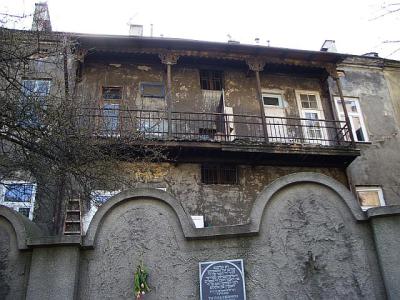
4) Jewish Ghetto Wall Fragment
The Jewish Ghetto Wall Fragment was built by the occupying German authorities in 1941. It once enclosed the Podgórze Ghetto, where more than 15,000 Jewish residents were forcibly relocated. Its distinctive shape, often compared to tombstones, was not accidental; it reflected the oppressive symbolism imposed on the community and has since become one of the most recognisable visual markers of Kraków’s Holocaust-era landscape.
One of the most significant surviving sections stands on Lwowska Street. It features a memorial plaque that reads, “Here they lived, suffered and perished at the hands of Hitler’s executioners. From here they began their final journey to the death camps.” Although unassuming at first glance, the fragment offers a stark and powerful reminder of the atrocities endured by Kraków’s Jewish population, helping visitors form a clearer understanding of the ghetto’s tragic history.
One of the most significant surviving sections stands on Lwowska Street. It features a memorial plaque that reads, “Here they lived, suffered and perished at the hands of Hitler’s executioners. From here they began their final journey to the death camps.” Although unassuming at first glance, the fragment offers a stark and powerful reminder of the atrocities endured by Kraków’s Jewish population, helping visitors form a clearer understanding of the ghetto’s tragic history.
5) Eagle Pharmacy
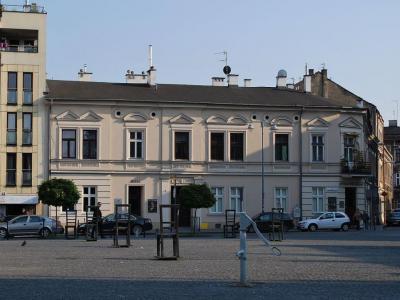
The Eagle Pharmacy is located on Ghetto Heroes Square in the former Jewish ghetto of Podgórze. It gained historical importance during World War II as the only pharmacy allowed to operate within the ghetto’s boundaries. During the Nazi occupation, the only Polish sign permitted throughout the ghetto was the inscription "Pod Orłem” (meaning “Under the Eagle”) above its entrance. Its owner, Tadeusz Pankiewicz, a Polish Catholic pharmacist, chose to remain in the ghetto even after all non-Jewish residents were ordered to leave in 1941. His decision turned the pharmacy into a crucial centre of aid, resistance, and humanitarian support for the imprisoned Jewish population.
Throughout the ghetto’s existence, the Eagle Pharmacy became much more than a place to obtain medicine. Pankiewicz and his staff provided free pharmaceuticals, passed messages in and out of the ghetto, hid individuals during Nazi roundups, and supplied hair dye and other materials to help people avoid deportation by altering their appearance. The pharmacy also functioned as an informal meeting point for community members, intellectuals, and leaders of the Jewish Council. During the liquidation of the ghetto in 1942–1943, its rooms sheltered terrified residents, offering brief refuge amid chaos and violence. For these acts of courage, Pankiewicz was later recognised as Righteous Among the Nations by Yad Vashem.
Today, the Eagle Pharmacy is a branch of the Historical Museum of the City of Kraków. As soon as you enter the pharmacy, the counter stands on your right. Behind it, large wooden shelves display glass bottles containing botanical powders and extracts. Above the shelves, a wooden clock is topped by an eagle - a nod to the pharmacy’s name. To the left of the shelves, a doorway leads to the storage rooms, Pankiewicz’s office, and other restored interiors. The carefully organised rooms recreate the pharmacy’s wartime appearance, while multimedia exhibits present photographs, personal testimonies, documents, and objects related to daily life in the ghetto.
Standing at the southwestern edge of Ghetto Heroes Square, the museum forms a powerful triad with the square’s chair memorial and the nearby remnants of the ghetto wall. For those seeking to understand Kraków’s Jewish history and the human stories of resistance amid persecution, the Eagle Pharmacy offers one of the city’s most poignant and enlightening experiences.
Throughout the ghetto’s existence, the Eagle Pharmacy became much more than a place to obtain medicine. Pankiewicz and his staff provided free pharmaceuticals, passed messages in and out of the ghetto, hid individuals during Nazi roundups, and supplied hair dye and other materials to help people avoid deportation by altering their appearance. The pharmacy also functioned as an informal meeting point for community members, intellectuals, and leaders of the Jewish Council. During the liquidation of the ghetto in 1942–1943, its rooms sheltered terrified residents, offering brief refuge amid chaos and violence. For these acts of courage, Pankiewicz was later recognised as Righteous Among the Nations by Yad Vashem.
Today, the Eagle Pharmacy is a branch of the Historical Museum of the City of Kraków. As soon as you enter the pharmacy, the counter stands on your right. Behind it, large wooden shelves display glass bottles containing botanical powders and extracts. Above the shelves, a wooden clock is topped by an eagle - a nod to the pharmacy’s name. To the left of the shelves, a doorway leads to the storage rooms, Pankiewicz’s office, and other restored interiors. The carefully organised rooms recreate the pharmacy’s wartime appearance, while multimedia exhibits present photographs, personal testimonies, documents, and objects related to daily life in the ghetto.
Standing at the southwestern edge of Ghetto Heroes Square, the museum forms a powerful triad with the square’s chair memorial and the nearby remnants of the ghetto wall. For those seeking to understand Kraków’s Jewish history and the human stories of resistance amid persecution, the Eagle Pharmacy offers one of the city’s most poignant and enlightening experiences.
6) Ghetto Heroes Square
Ghetto Heroes Square is one of the city’s most powerful memorial spaces, located in the Podgórze district, where the Nazi-established Kraków Ghetto existed during World War II. Before the war, this area was an ordinary urban square, but in March 1941 it became the central gathering point for the more than 15,000 Jews forcibly relocated into the ghetto. The square served as a place of daily passage, trade, and movement under oppression-but it was also the site where families were assembled during mass deportations to the Bełżec extermination camp and later to the Płaszów labor and concentration camp. For many, it was the last place they stood in Kraków.
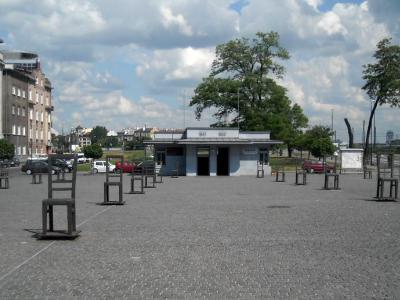
After the war, the square remained an open urban space, but its historical weight was not officially acknowledged until the early 2000s. In 2005, a memorial installation titled Ghetto Heroes Square transformed the area into a place of reflection. The memorial consists of dozens of large bronze chairs arranged across the square in varying sizes and groupings, each placed on slightly raised platforms that create the impression of floating above the pavement. The simple, empty chairs symbolize the belongings left behind during deportations and the overwhelming absence created by the destruction of the ghetto’s population.
On the north side of the square, a small police box still stands. During the deportations, the Nazis used it to identify and count the Jewish victims.
Today, Ghetto Heroes Square is a key site for those seeking to understand Kraków’s wartime history. It lies close to surviving fragments of the ghetto wall, which can still be viewed a short walk away.
After the war, the square remained an open urban space, but its historical weight was not officially acknowledged until the early 2000s. In 2005, a memorial installation titled Ghetto Heroes Square transformed the area into a place of reflection. The memorial consists of dozens of large bronze chairs arranged across the square in varying sizes and groupings, each placed on slightly raised platforms that create the impression of floating above the pavement. The simple, empty chairs symbolize the belongings left behind during deportations and the overwhelming absence created by the destruction of the ghetto’s population.
On the north side of the square, a small police box still stands. During the deportations, the Nazis used it to identify and count the Jewish victims.
Today, Ghetto Heroes Square is a key site for those seeking to understand Kraków’s wartime history. It lies close to surviving fragments of the ghetto wall, which can still be viewed a short walk away.
7) Szeroka Street
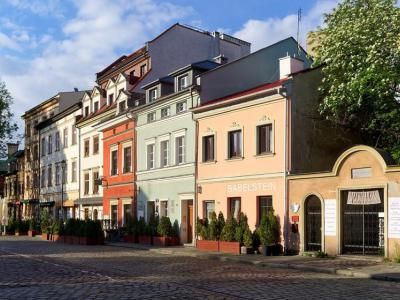
Szeroka Street has long been considered the heart of the Jewish quarter. Unlike most streets, Szeroka is unusually wide-its name literally means “Broad Street”-and for centuries it functioned more like a communal square than a typical roadway. Its origins date to the Middle Ages, when Kazimierz was a separate town. By the 15th and 16th centuries, as the Jewish community settled here after being relocated from Kraków proper, Szeroka Street became the focal point of Jewish religious, social, and economic life.
Several of Kraków’s most important synagogues stand directly on Szeroka Street. These include the Old Synagogue-the oldest surviving Jewish prayer house in Poland-and the Remuh Synagogue, founded in the 1550s and still an active place of worship. Adjacent to the Remuh Synagogue lies the historic Remuh Cemetery, one of the oldest Jewish burial grounds in the country, where notable rabbis, scholars, and community leaders from the 16th and 17th centuries are buried. Walking down Szeroka Street, visitors also encounter former prayer houses, historic townhouses, and the preserved façades of old Jewish institutions that once shaped everyday life in Kazimierz.
In the 19th century, as restrictions on movement eased and Jews reintegrated with the rest of Kraków, Szeroka Street remained a symbolic center and later became a place of memory after the devastation of World War II. In the postwar years, the area saw a gradual revival, and today it blends heritage with contemporary culture. Cafés, restaurants serving traditional Jewish dishes, museums, and small shops line the street, while plaques and markers recall the people and events that once defined the neighborhood.
Several of Kraków’s most important synagogues stand directly on Szeroka Street. These include the Old Synagogue-the oldest surviving Jewish prayer house in Poland-and the Remuh Synagogue, founded in the 1550s and still an active place of worship. Adjacent to the Remuh Synagogue lies the historic Remuh Cemetery, one of the oldest Jewish burial grounds in the country, where notable rabbis, scholars, and community leaders from the 16th and 17th centuries are buried. Walking down Szeroka Street, visitors also encounter former prayer houses, historic townhouses, and the preserved façades of old Jewish institutions that once shaped everyday life in Kazimierz.
In the 19th century, as restrictions on movement eased and Jews reintegrated with the rest of Kraków, Szeroka Street remained a symbolic center and later became a place of memory after the devastation of World War II. In the postwar years, the area saw a gradual revival, and today it blends heritage with contemporary culture. Cafés, restaurants serving traditional Jewish dishes, museums, and small shops line the street, while plaques and markers recall the people and events that once defined the neighborhood.
8) Remah Synagogue and Cemetery
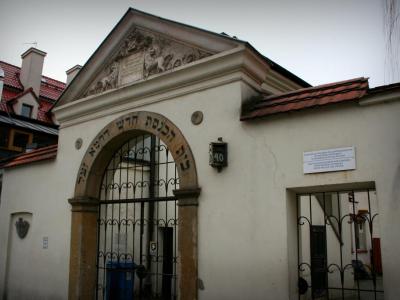
The Remah Synagogue was founded in the mid-16th century on the initiative of a Jewish merchant who dedicated the prayer house in memory of his wife and in honour of his son, Moses Isserles (better known by the acronym “ReMA”). Isserles became one of the most important scholars in Ashkenazi Judaism, and his commentaries on Jewish law remain influential to this day. Although the first wooden building was destroyed by fire, a masonry synagogue rose in its place around 1557, and the structure standing today largely reflects that period.
The synagogue is modest in size - among the smallest historic synagogues in Kraków - yet its authenticity compensates for its scale. Inside, original elements survive: the stone Torah ark from the 16th century, a donation box near the doorway once collected alms, and, after recent conservation, colourful wall and ceiling paintings have been revealed, including biblical motifs and zodiac symbols.
Beside the synagogue lies the Old Jewish Cemetery, whose gate can be found behind and to the right of the building, along a wall filled with memorial plaques. The cemetery was founded between 1535 and 1551, making it one of the oldest surviving Jewish cemeteries in Poland. Over the centuries, it served as the burial ground for many of Kraków’s most prominent rabbis, scholars, and community members - among them Moses Isserles himself.
During World War II, many tombstones were removed or destroyed, and the site was extensively damaged. After the war, renewed efforts led to the restoration of numerous gravestones - today roughly 700 are visible, richly carved with Hebrew inscriptions and traditional Jewish symbols. Walking slowly among these weathered monuments, visitors may notice ornamental motifs such as crowns (symbolising virtuous lives), grapevine leaves (signifying wisdom and maturity), or carved vessels marking graves of members of the Levite community.
Because Remah remains a functioning religious site, visitors are encouraged to treat it with respect: modest dress, a quiet demeanour, and appreciation for its dual role as a place of prayer and a site of memory. For anyone interested in Jewish heritage or simply quiet spaces that invite reflection, Remah offers a deeply human experience - modest in scale, profound in meaning.
The synagogue is modest in size - among the smallest historic synagogues in Kraków - yet its authenticity compensates for its scale. Inside, original elements survive: the stone Torah ark from the 16th century, a donation box near the doorway once collected alms, and, after recent conservation, colourful wall and ceiling paintings have been revealed, including biblical motifs and zodiac symbols.
Beside the synagogue lies the Old Jewish Cemetery, whose gate can be found behind and to the right of the building, along a wall filled with memorial plaques. The cemetery was founded between 1535 and 1551, making it one of the oldest surviving Jewish cemeteries in Poland. Over the centuries, it served as the burial ground for many of Kraków’s most prominent rabbis, scholars, and community members - among them Moses Isserles himself.
During World War II, many tombstones were removed or destroyed, and the site was extensively damaged. After the war, renewed efforts led to the restoration of numerous gravestones - today roughly 700 are visible, richly carved with Hebrew inscriptions and traditional Jewish symbols. Walking slowly among these weathered monuments, visitors may notice ornamental motifs such as crowns (symbolising virtuous lives), grapevine leaves (signifying wisdom and maturity), or carved vessels marking graves of members of the Levite community.
Because Remah remains a functioning religious site, visitors are encouraged to treat it with respect: modest dress, a quiet demeanour, and appreciation for its dual role as a place of prayer and a site of memory. For anyone interested in Jewish heritage or simply quiet spaces that invite reflection, Remah offers a deeply human experience - modest in scale, profound in meaning.
9) Kazimierz (Jewish Quarter) (must see)
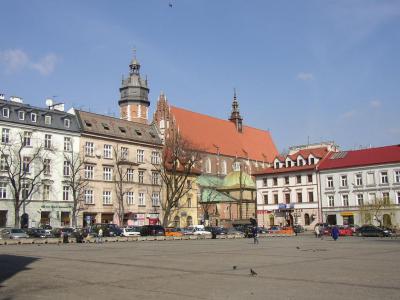
For many centuries, Kazimierz thrived as a realm where Polish and Jewish cultures coexisted and blended harmoniously. The northeastern sector of the district held a rich Jewish history, with its Jewish residents being forcibly uprooted in 1941 by the occupying German forces to the Krakow ghetto just on the opposite side of the river in Podgórze. In the present day, Kazimierz stands as one of Krakow's foremost tourist destinations, playing a pivotal role in the city's cultural tapestry.
The genesis of Kazimierz owes itself to the efforts of King Casimir the Great, the namesake of the town. Yet, it was the decision of King Jan Olbracht that prompted the migration of Krakow's Jewish population to Kazimierz. Following this migration, instances of violence and clashes between these two predominant communities notably decreased. These communities coexisted relatively seamlessly until the early 19th century, when the distinct Jewish township was incorporated into Krakow. The intellectual and societal elite largely departed from Kazimierz during this period, gravitating toward other parts of Krakow. Nonetheless, within the old town, those who remained were primarily impoverished and orthodox Jews, and their presence is responsible for the enduring appreciation of the area's architecture and structures.
The upheaval of the Second World War further exacerbated the community's decline and desolation. By the conflict's conclusion, the once-vibrant Jewish enclave had been reduced to ruins, erasing a melting pot of unique and diverse Jewish heritage.
It wasn't until the year 2000, quite recently, that the most economically disadvantaged district of Krakow began to attract the attention of the burgeoning hospitality sector. Before long, the buildings became havens for some of the city's most charming cafes and restaurants. Additionally, each year at the close of June, Kazimierz hosts the Jewish Culture Festival, the largest of its kind in Europe, drawing in visitors from across the globe. The festival boasts an array of music from various regions, played by ensembles hailing from the Middle East, the USA, Africa, and beyond.
Why You Should Visit:
If you're looking for a place to wander pretty streets and dip in and out of nice places, then this is the area for you.
Tip:
If you head toward the corner of Ulica Józefa and Ulica Nowa, the walkways in that area are the perfect mix of local shops and atmospheric alleyways. You'll see lots of cute shops with fun graffiti and artwork painted on the side of them.
The genesis of Kazimierz owes itself to the efforts of King Casimir the Great, the namesake of the town. Yet, it was the decision of King Jan Olbracht that prompted the migration of Krakow's Jewish population to Kazimierz. Following this migration, instances of violence and clashes between these two predominant communities notably decreased. These communities coexisted relatively seamlessly until the early 19th century, when the distinct Jewish township was incorporated into Krakow. The intellectual and societal elite largely departed from Kazimierz during this period, gravitating toward other parts of Krakow. Nonetheless, within the old town, those who remained were primarily impoverished and orthodox Jews, and their presence is responsible for the enduring appreciation of the area's architecture and structures.
The upheaval of the Second World War further exacerbated the community's decline and desolation. By the conflict's conclusion, the once-vibrant Jewish enclave had been reduced to ruins, erasing a melting pot of unique and diverse Jewish heritage.
It wasn't until the year 2000, quite recently, that the most economically disadvantaged district of Krakow began to attract the attention of the burgeoning hospitality sector. Before long, the buildings became havens for some of the city's most charming cafes and restaurants. Additionally, each year at the close of June, Kazimierz hosts the Jewish Culture Festival, the largest of its kind in Europe, drawing in visitors from across the globe. The festival boasts an array of music from various regions, played by ensembles hailing from the Middle East, the USA, Africa, and beyond.
Why You Should Visit:
If you're looking for a place to wander pretty streets and dip in and out of nice places, then this is the area for you.
Tip:
If you head toward the corner of Ulica Józefa and Ulica Nowa, the walkways in that area are the perfect mix of local shops and atmospheric alleyways. You'll see lots of cute shops with fun graffiti and artwork painted on the side of them.
10) Wawel Royal Castle (must see)
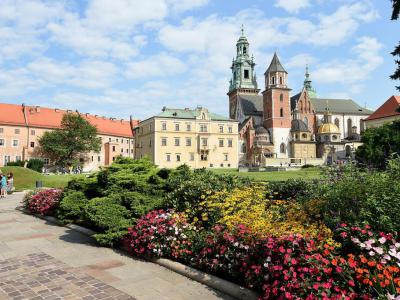
The Wawel Royal Castle stands as one of Poland’s most important historical landmarks, a castle hill complex that oversaw centuries of national, royal, and artistic history.
The hill on which Wawel sits has been inhabited since ancient times, but Wawel began taking shape as a seat of power in the early Middle Ages, with the earliest stone buildings appearing around the 11th–12th centuries. Over the following centuries, successive rulers transformed the residence. In the 14th century, under Casimir III the Great, the castle was fortified and rebuilt in a Gothic style, establishing the core structure that would survive in part to this day.
The 16th century brought a major transformation under Sigismund I the Old. He commissioned Italian architects to rebuild and expand the castle, turning it into a Renaissance-style palace - a shift that reshaped Wawel from a medieval fortress into a grand royal residence. Over time, Baroque and later architectural layers were added, so today the castle exhibits a blend of Romanesque, Gothic, Renaissance, and Baroque styles.
Wawel Royal Castle functions partly as a museum complex - the Wawel Royal Castle National Art Collection - offering access to royal apartments, state rooms, historic art, armor, furniture, tapestries, and a rich collection of paintings and decorative arts. Strolling through the arcade courtyard gives a sense of the Renaissance grandeur that reshaped the castle, while the various rooms and exhibitions reveal the lives of kings and the history of Polish statehood.
Among the standout attractions are the historic royal apartments and state chambers, furnishings, and art. For those interested in arms and military history, the museum’s collection of armor, weapons, and historic artifacts provides a vivid window into past conflicts and noble life. The castle’s collections also include fine tapestries, period furniture, ceramics, and decorative art - including items from across Europe and the Near East - showing Poland’s historical ties and international influences.
Beyond indoor treasures, the castle’s position on the hill beside the river, its layered architecture, and its atmosphere provide a strong sense of place - a fitting way to describe one of the earliest UNESCO World Heritage Sites.
The hill on which Wawel sits has been inhabited since ancient times, but Wawel began taking shape as a seat of power in the early Middle Ages, with the earliest stone buildings appearing around the 11th–12th centuries. Over the following centuries, successive rulers transformed the residence. In the 14th century, under Casimir III the Great, the castle was fortified and rebuilt in a Gothic style, establishing the core structure that would survive in part to this day.
The 16th century brought a major transformation under Sigismund I the Old. He commissioned Italian architects to rebuild and expand the castle, turning it into a Renaissance-style palace - a shift that reshaped Wawel from a medieval fortress into a grand royal residence. Over time, Baroque and later architectural layers were added, so today the castle exhibits a blend of Romanesque, Gothic, Renaissance, and Baroque styles.
Wawel Royal Castle functions partly as a museum complex - the Wawel Royal Castle National Art Collection - offering access to royal apartments, state rooms, historic art, armor, furniture, tapestries, and a rich collection of paintings and decorative arts. Strolling through the arcade courtyard gives a sense of the Renaissance grandeur that reshaped the castle, while the various rooms and exhibitions reveal the lives of kings and the history of Polish statehood.
Among the standout attractions are the historic royal apartments and state chambers, furnishings, and art. For those interested in arms and military history, the museum’s collection of armor, weapons, and historic artifacts provides a vivid window into past conflicts and noble life. The castle’s collections also include fine tapestries, period furniture, ceramics, and decorative art - including items from across Europe and the Near East - showing Poland’s historical ties and international influences.
Beyond indoor treasures, the castle’s position on the hill beside the river, its layered architecture, and its atmosphere provide a strong sense of place - a fitting way to describe one of the earliest UNESCO World Heritage Sites.
11) Dragon's Lair
Krakow is the perfect place to get lost in rich history and ancient lore. With castles, museums, traditional concert halls and mystical folklore, Krakow is the perfect blend that offers every visitor a reason to spend time here. The Dragon’s Lair is one such destination. Located on the foot of the Wawel Hill on the banks of the River Vistula, the Dragon’s Lair is a must visit in Krakow.
According to legend, in the time of King Krak, a dragon terrorized the city named after him. It demanded livestock or young maidens from the town. The king's daughter, Wanda, was almost sacrificed. None could defeat the dragon until a clever shoemaker named Dratewka used a sulphur-filled ram to make the dragon drink excessively. The dragon exploded, saving the town. Experience this tale at the Dragon's Lair.
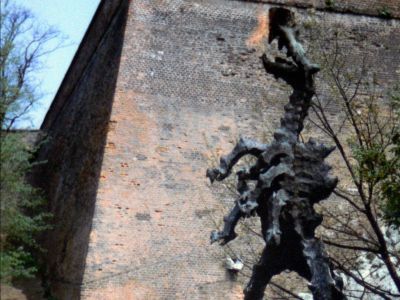
Nowadays, the Dragon's Lair has become accessible to the general public during the summer season. Explorers will enter the cavern by means of an aged well, descending a distance of 21 meters to experience this exceptional location. The cave extends until it reaches the shores of the Vistula River. Emerging from the cave's entrance is a sizable statue resembling a dragon, meticulously crafted in the year 1971. This particular spot stands as a highly favored destination for tourists, particularly among children, as the dragon vividly exhales bursts of fire from its mouth at five-minute intervals.
According to legend, in the time of King Krak, a dragon terrorized the city named after him. It demanded livestock or young maidens from the town. The king's daughter, Wanda, was almost sacrificed. None could defeat the dragon until a clever shoemaker named Dratewka used a sulphur-filled ram to make the dragon drink excessively. The dragon exploded, saving the town. Experience this tale at the Dragon's Lair.
Nowadays, the Dragon's Lair has become accessible to the general public during the summer season. Explorers will enter the cavern by means of an aged well, descending a distance of 21 meters to experience this exceptional location. The cave extends until it reaches the shores of the Vistula River. Emerging from the cave's entrance is a sizable statue resembling a dragon, meticulously crafted in the year 1971. This particular spot stands as a highly favored destination for tourists, particularly among children, as the dragon vividly exhales bursts of fire from its mouth at five-minute intervals.
12) Wawel Cathedral (must see)
Wawel Cathedral in Kraków carries nearly a millennium of Polish history under its roof.
The earliest sacred building on the hill where the cathedral stands dates back to around the year 1000, when the local bishopric was established. That first church was replaced in the 12th century by a Romanesque basilica, consecrated in 1142. After that structure was destroyed by fire in 1305, a new cathedral was built - the building whose core survives today. Construction of the present Gothic-style nave and chancel began in the early 14th century and the church was consecrated in 1364.
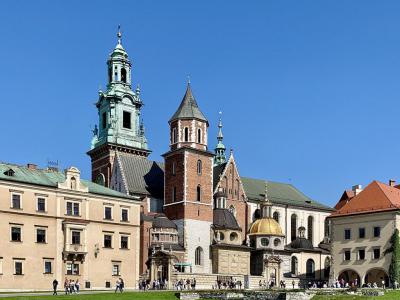
Over the centuries, successive rulers and church dignitaries added chapels, tombs, and artistic touches. This gradual layering resulted in a rich mix of architectural styles: you’ll see Gothic foundations alongside Renaissance and Baroque chapels, Renaissance-era domes and neoclassical details reflecting later modifications. As soon as the cathedral enters your view, you will notice the varied exterior. There is a golden dome, a black dome, a traditional brick tower and two other brick towers topped by jade-green helmets.
Wawel Cathedral offers many points of interest. Among the highlights is Sigismund's Chapel - a Renaissance masterpiece sometimes hailed as “the most beautiful example of Tuscan Renaissance architecture north of the Alps.” Once you step inside the cathedral, the chapel can be reached by turning right into the south aisle. After passing a series of chapels marked by plaques, you will notice a wooden-like fence with a door at its center. That is the entrance to Sigismund's Chapel. Inside, ornate sculptures and the royal tombs of Sigismund I and his son Sigismund II Augustus reflect the wealth and power of the era when Poland was a leading European kingdom. From outside, Sigismund's Chapel is located under the aforementioned golden dome.
It is recommended that you also visit the crypts and tombs beneath the cathedral as this is where many of Poland’s kings, national heroes, and cultural icons rest.
Another compelling attraction of the cathedral is the Sigismund Bell - one of Poland’s most famous bells. It can be reached by turning left from the main altar and then right. A black crucifix is placed on the left wall and to its left there is a door which is the entrance to the bell tower. The massive bell is found at the top of the tower. Cast in the 16th century, its deep toll has echoed across generations and the bell remains an important symbol of national history.
The earliest sacred building on the hill where the cathedral stands dates back to around the year 1000, when the local bishopric was established. That first church was replaced in the 12th century by a Romanesque basilica, consecrated in 1142. After that structure was destroyed by fire in 1305, a new cathedral was built - the building whose core survives today. Construction of the present Gothic-style nave and chancel began in the early 14th century and the church was consecrated in 1364.
Over the centuries, successive rulers and church dignitaries added chapels, tombs, and artistic touches. This gradual layering resulted in a rich mix of architectural styles: you’ll see Gothic foundations alongside Renaissance and Baroque chapels, Renaissance-era domes and neoclassical details reflecting later modifications. As soon as the cathedral enters your view, you will notice the varied exterior. There is a golden dome, a black dome, a traditional brick tower and two other brick towers topped by jade-green helmets.
Wawel Cathedral offers many points of interest. Among the highlights is Sigismund's Chapel - a Renaissance masterpiece sometimes hailed as “the most beautiful example of Tuscan Renaissance architecture north of the Alps.” Once you step inside the cathedral, the chapel can be reached by turning right into the south aisle. After passing a series of chapels marked by plaques, you will notice a wooden-like fence with a door at its center. That is the entrance to Sigismund's Chapel. Inside, ornate sculptures and the royal tombs of Sigismund I and his son Sigismund II Augustus reflect the wealth and power of the era when Poland was a leading European kingdom. From outside, Sigismund's Chapel is located under the aforementioned golden dome.
It is recommended that you also visit the crypts and tombs beneath the cathedral as this is where many of Poland’s kings, national heroes, and cultural icons rest.
Another compelling attraction of the cathedral is the Sigismund Bell - one of Poland’s most famous bells. It can be reached by turning left from the main altar and then right. A black crucifix is placed on the left wall and to its left there is a door which is the entrance to the bell tower. The massive bell is found at the top of the tower. Cast in the 16th century, its deep toll has echoed across generations and the bell remains an important symbol of national history.
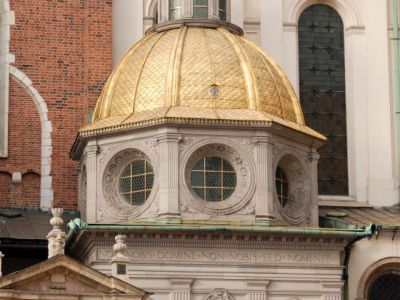
13) King Sigismund Chapel
Situated within the Wawel Cathedral in Krakow, the King Sigismund Chapel stands as a preeminent exemplar of Renaissance architecture. Among the collection of domes comprising the cathedral, this chapel distinctly shines. Its crowned dome, resplendent in gold leaf, has solidified its renown as a pinnacle representation of the Tuscan Renaissance architectural style, flourishing beyond the confines of the Alps.
The genesis of this chapel dates back to the early 16th century when Bartolomeo Berrecci, the illustrious Italian architect, meticulously conceived its design. Crafted exclusively for the Jagiellon dynasty, the chapel encompasses the sepulchers of Sigismund II Augustus, Anna Jagiellonka, and their benefactor, King Sigismund I. Historically, it is surmised that the passing of his wife, Barbara, compelled the king to commission the construction of this chapel. Engaging Berrecci, who enlisted a cohort of accomplished artisans, the king's vision materialized into this architectural marvel. Noteworthy is the fact that the chapel's exterior grandeur harmonizes with its interior opulence, thereby exceeding the expectations of those who traverse its threshold.
The internal ambience of the chapel boasts an array of distinctive features. Sculptures carved from red marble, depicting saints, command admiration, while the altar piece, a creation by the venerable Hans Durer, further augments the chapel's allure. However, the pièce de résistance remains the sarcophagi housing the remains of the dynasty members. Each sarcophagus stands as an individual masterpiece, bearing testament to the artistic prowess of its creators.
The genesis of this chapel dates back to the early 16th century when Bartolomeo Berrecci, the illustrious Italian architect, meticulously conceived its design. Crafted exclusively for the Jagiellon dynasty, the chapel encompasses the sepulchers of Sigismund II Augustus, Anna Jagiellonka, and their benefactor, King Sigismund I. Historically, it is surmised that the passing of his wife, Barbara, compelled the king to commission the construction of this chapel. Engaging Berrecci, who enlisted a cohort of accomplished artisans, the king's vision materialized into this architectural marvel. Noteworthy is the fact that the chapel's exterior grandeur harmonizes with its interior opulence, thereby exceeding the expectations of those who traverse its threshold.
The internal ambience of the chapel boasts an array of distinctive features. Sculptures carved from red marble, depicting saints, command admiration, while the altar piece, a creation by the venerable Hans Durer, further augments the chapel's allure. However, the pièce de résistance remains the sarcophagi housing the remains of the dynasty members. Each sarcophagus stands as an individual masterpiece, bearing testament to the artistic prowess of its creators.
