

Bournemouth Introduction Walking Tour (Self Guided), Bournemouth
The resort town of Bournemouth located on the southern coast of England can offer visitors much more than just beaches. There are a few sights unique to this place that will make your stay in Bournemouth just as enjoyable off-season, especially if you can explore them in detail and learn their underlying history.
The first recorded mention of Bournemouth dates back to 1406 when a large fish was reported washed up at "La Bournemothe." The latter referred to an uninhabited area by the River Bourne's mouth, between Poole and Christchurch. Over time, the name evolved to "Bourne Mouth" and eventually settled as "Bournemouth" by the late 19th century.
Originally a remote heathland, rarely visited by anyone other than occasional fishermen and smugglers, it saw little human activity until the early 1800s. The arrival of Lewis Tregonwell in the area in the 1810s set the stage for its transformation. Tregonwell and his wife visited 'Bourne' during a recuperative holiday following the tragic death of their child. Charmed by the area, they eventually purchased land there, built the first substantial residence, and planted pine trees, benefiting tuberculosis patients, thus marking Bournemouth's early growth as a health resort.
The town's appeal was enhanced by the construction of its first hotel, in 1838, and the development of Bournemouth Gardens. Bournemouth's growth was further propelled by the arrival of the railway in 1870. The town’s expansion continued into the 20th century, seeing the development of cultural venues and public transport, attracting – by the century's end – over five million visitors per year.
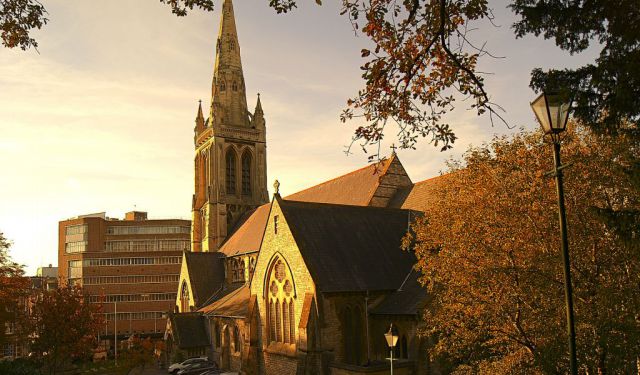
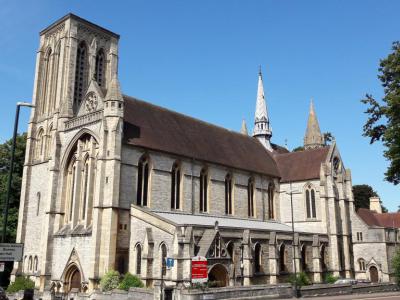
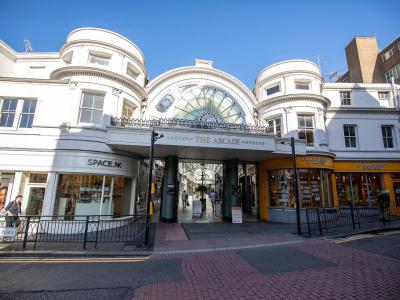
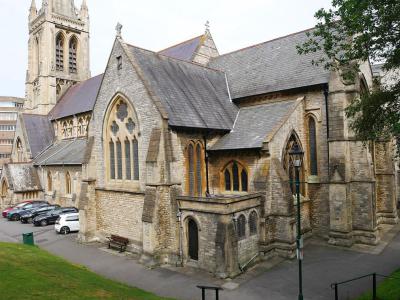
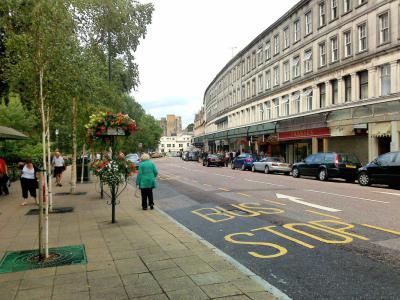
The town centre abounds in Victorian architecture. Saint Peter's Church, with its stunning 202-foot (62-metre) spire, serves as a community landmark, while Westover Road adds a touch of glamour to the area with an array of opulent cinemas and restaurants.
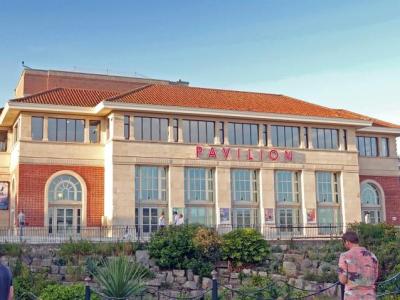
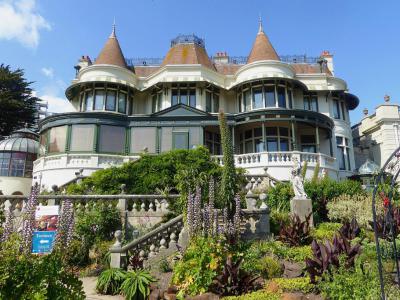
The cultural heartbeat of Bournemouth is palpable at the Pavilion Theater and the Russell-Cotes Art Gallery and Museum. The latter, perched on the cliff top, houses a collection of global artifacts and fine art, encapsulating the eclectic taste of its Victorian founders.
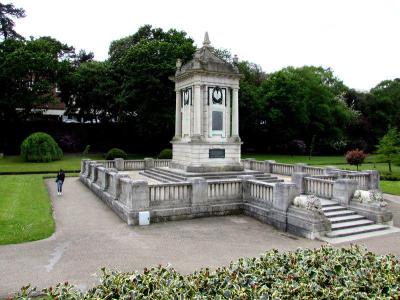
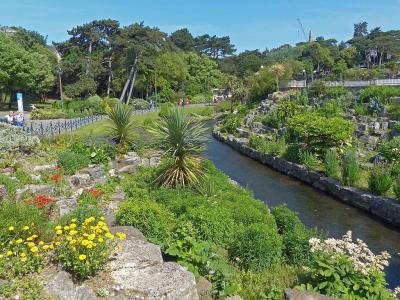
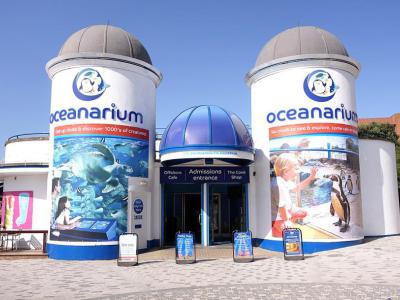
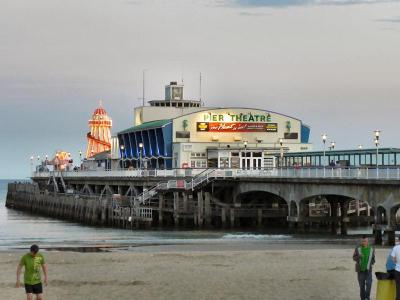
Green spaces like the Lower Gardens provide a tranquil escape from the urban hustle, leading visitors towards the Oceanarium Bournemouth, where marine life dazzles and educates. Further ahead, Bournemouth Pier and Pier Theatre, iconic symbols of the town’s seaside heritage, offer entertainment and ocean views.
From the solemnity of its memorials to the vibrancy of its shopping districts and the allure of its theaters and museums, Bournemouth invites you to explore and engage with its many delights. So, come and discover the charm of Bournemouth – a blend of history, culture, and coastal beauty.
The first recorded mention of Bournemouth dates back to 1406 when a large fish was reported washed up at "La Bournemothe." The latter referred to an uninhabited area by the River Bourne's mouth, between Poole and Christchurch. Over time, the name evolved to "Bourne Mouth" and eventually settled as "Bournemouth" by the late 19th century.
Originally a remote heathland, rarely visited by anyone other than occasional fishermen and smugglers, it saw little human activity until the early 1800s. The arrival of Lewis Tregonwell in the area in the 1810s set the stage for its transformation. Tregonwell and his wife visited 'Bourne' during a recuperative holiday following the tragic death of their child. Charmed by the area, they eventually purchased land there, built the first substantial residence, and planted pine trees, benefiting tuberculosis patients, thus marking Bournemouth's early growth as a health resort.
The town's appeal was enhanced by the construction of its first hotel, in 1838, and the development of Bournemouth Gardens. Bournemouth's growth was further propelled by the arrival of the railway in 1870. The town’s expansion continued into the 20th century, seeing the development of cultural venues and public transport, attracting – by the century's end – over five million visitors per year.
The town centre abounds in Victorian architecture. Saint Peter's Church, with its stunning 202-foot (62-metre) spire, serves as a community landmark, while Westover Road adds a touch of glamour to the area with an array of opulent cinemas and restaurants.
The cultural heartbeat of Bournemouth is palpable at the Pavilion Theater and the Russell-Cotes Art Gallery and Museum. The latter, perched on the cliff top, houses a collection of global artifacts and fine art, encapsulating the eclectic taste of its Victorian founders.
Green spaces like the Lower Gardens provide a tranquil escape from the urban hustle, leading visitors towards the Oceanarium Bournemouth, where marine life dazzles and educates. Further ahead, Bournemouth Pier and Pier Theatre, iconic symbols of the town’s seaside heritage, offer entertainment and ocean views.
From the solemnity of its memorials to the vibrancy of its shopping districts and the allure of its theaters and museums, Bournemouth invites you to explore and engage with its many delights. So, come and discover the charm of Bournemouth – a blend of history, culture, and coastal beauty.
How it works: Download the app "GPSmyCity: Walks in 1K+ Cities" from Apple App Store or Google Play Store to your mobile phone or tablet. The app turns your mobile device into a personal tour guide and its built-in GPS navigation functions guide you from one tour stop to next. The app works offline, so no data plan is needed when traveling abroad.
Download The GPSmyCity App



Bournemouth Introduction Walking Tour Map
Guide Name: Bournemouth Introduction Walking Tour
Guide Location: England » Bournemouth (See other walking tours in Bournemouth)
Guide Type: Self-guided Walking Tour (Sightseeing)
Tour Duration: 2 Hour(s)
Travel Distance: 2.5 Km or 1.6 Miles
Guide Location: England » Bournemouth (See other walking tours in Bournemouth)
Guide Type: Self-guided Walking Tour (Sightseeing)
Tour Duration: 2 Hour(s)
Travel Distance: 2.5 Km or 1.6 Miles
Sights Featured in This Walk


11) Lower Gardens (must see)
The Most Popular Cities
/ view all