

Christiansted Introduction Walking Tour (Self Guided), Christiansted
Life had something huge planned for Alexander Hamilton. Although he spent his teenage years in humble Christiansted, he was New York bound not long after. After all, that humble town was not such a bad launching pad.
Christiansted, located on the island of Saint Croix in the U.S. Virgin Islands, was founded under Danish colonial rule in the early 18th century. The town is named for King Christian VI of Denmark, in whose honor it was laid out. In 1733 Denmark purchased Saint Croix from France, and in 1734 the Danish West India & Guinea Company formally established Christiansted as the colonial seat and urban hub.
From early on, Christiansted was built to support the plantation economy-especially sugar and cotton-served by enslaved African labor. The town grew around a fortified structure, Fort Christiansvaern, completed mid-18th century to defend against pirates and rival colonial powers. For much of the Danish colonial era, Christiansted functioned as a center of administration, trade, and governance across St. Croix and Danish West Indies territories.
In 1871, Christiansted ceased to be the capital of the Danish possessions, but the town retained its infrastructure and role as a regional seat. In 1917, as part of the transfer of the Danish West Indies to the United States, the islands became the U.S. Virgin Islands. Since then, Christiansted has evolved, preserving its colonial-era architecture and serving as a cultural and historic center for tourism, governance, and commerce.
Notable historical figures include the aforementioned Founding Father Alexander Hamilton. Moreover, Tim Duncan, the basketball legend, winner of 5 NBA championships, was born there as well.
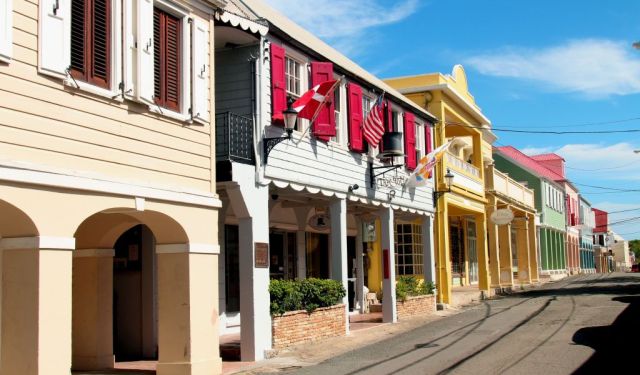
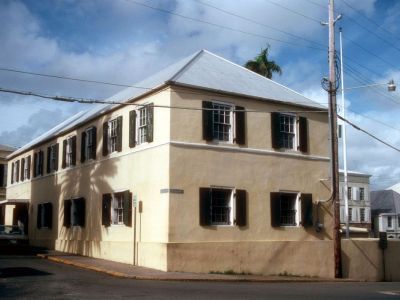
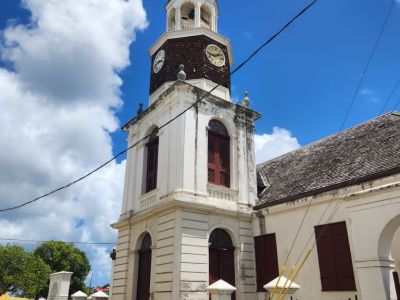
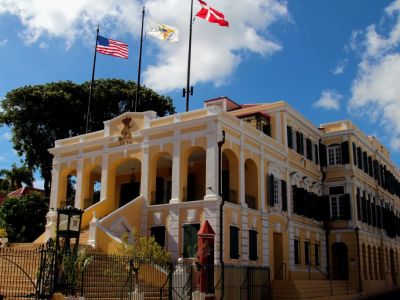
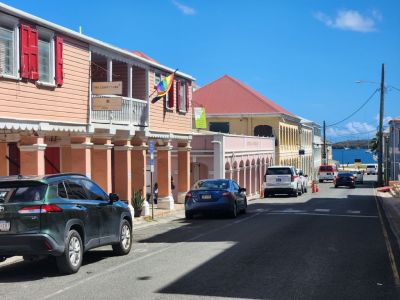
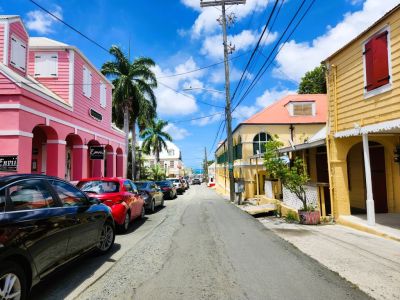
Strolling through downtown, you’ll pass elegant Danish colonial stone buildings painted in pastel hues, lining cobblestone streets like King Street and Queen Cross Street. You’ll see Fort Christiansvaern overlooking the harbor, historic customs houses, the Steeple Building, and the Danish Custom House. Last but not least, you can stroll beneath arcades and between verandas, pause at public squares, and gaze out over the shimmering Christiansted Harbor, alive with sailboats and sea breezes.
As you explore the streets, you may feel what Hamilton once did-a restless sense that the horizon calls. In Christiansted, even the quietest harbor can awaken the boldest dreams.
Christiansted, located on the island of Saint Croix in the U.S. Virgin Islands, was founded under Danish colonial rule in the early 18th century. The town is named for King Christian VI of Denmark, in whose honor it was laid out. In 1733 Denmark purchased Saint Croix from France, and in 1734 the Danish West India & Guinea Company formally established Christiansted as the colonial seat and urban hub.
From early on, Christiansted was built to support the plantation economy-especially sugar and cotton-served by enslaved African labor. The town grew around a fortified structure, Fort Christiansvaern, completed mid-18th century to defend against pirates and rival colonial powers. For much of the Danish colonial era, Christiansted functioned as a center of administration, trade, and governance across St. Croix and Danish West Indies territories.
In 1871, Christiansted ceased to be the capital of the Danish possessions, but the town retained its infrastructure and role as a regional seat. In 1917, as part of the transfer of the Danish West Indies to the United States, the islands became the U.S. Virgin Islands. Since then, Christiansted has evolved, preserving its colonial-era architecture and serving as a cultural and historic center for tourism, governance, and commerce.
Notable historical figures include the aforementioned Founding Father Alexander Hamilton. Moreover, Tim Duncan, the basketball legend, winner of 5 NBA championships, was born there as well.
Strolling through downtown, you’ll pass elegant Danish colonial stone buildings painted in pastel hues, lining cobblestone streets like King Street and Queen Cross Street. You’ll see Fort Christiansvaern overlooking the harbor, historic customs houses, the Steeple Building, and the Danish Custom House. Last but not least, you can stroll beneath arcades and between verandas, pause at public squares, and gaze out over the shimmering Christiansted Harbor, alive with sailboats and sea breezes.
As you explore the streets, you may feel what Hamilton once did-a restless sense that the horizon calls. In Christiansted, even the quietest harbor can awaken the boldest dreams.
How it works: Download the app "GPSmyCity: Walks in 1K+ Cities" from Apple App Store or Google Play Store to your mobile phone or tablet. The app turns your mobile device into a personal tour guide and its built-in GPS navigation functions guide you from one tour stop to next. The app works offline, so no data plan is needed when traveling abroad.
Download The GPSmyCity App



Christiansted Introduction Walking Tour Map
Guide Name: Christiansted Introduction Walking Tour
Guide Location: US Virgin Island » Christiansted (See other walking tours in Christiansted)
Guide Type: Self-guided Walking Tour (Sightseeing)
Tour Duration: 1 Hour(s)
Travel Distance: 0.7 Km or 0.4 Miles
Guide Location: US Virgin Island » Christiansted (See other walking tours in Christiansted)
Guide Type: Self-guided Walking Tour (Sightseeing)
Tour Duration: 1 Hour(s)
Travel Distance: 0.7 Km or 0.4 Miles
Sights Featured in This Walk

1) The Boardwalk (must see)
The Most Popular Cities
/ view all