

Audio Guide: Freeport Introduction Walking Tour (Self Guided), Freeport
An early promotional flyer from 1964 called Freeport “The New World Riviera”. The city's meteoric rise surely provided plenty of bragging rights.
The town's name reflects its origin — a “free port” established under the 1955 Hawksbill Creek Agreement, when the Bahamian government granted American financier Wallace Groves a vast stretch of undeveloped land and special privileges to build a duty-free industrial and commercial hub. The goal was simple yet ambitious: to turn swampland into a self-sustaining city driven by open trade, tourism, and innovation.
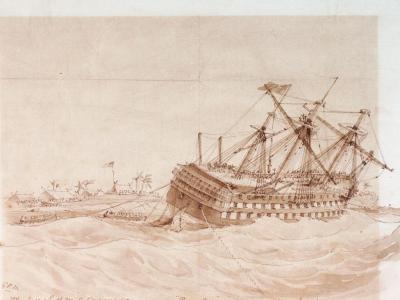
Although Freeport’s foundation was modern, its history stretches back thousands of years. The island’s earliest known inhabitants were the Siboney, later succeeded by the Lucayans, who gave their name to nearby Lucaya. Spanish explorers arrived in the late 15th century, but the island remained remote and underdeveloped. In the 18th century, pirates found shelter in its hidden coves, turning the coastline into a lively black market for looted goods and enslaved people. When piracy waned, the south of Grand Bahama island slipped into obscurity until Groves’s bold vision revived it centuries later.
Under his leadership, the transformation was swift. By the 1960s, Freeport had evolved from marshland into a bustling city. Roads, ports, and factories spread across the island, while tax exemptions and minimal bureaucracy drew international investors. The Freeport Harbor, among the deepest in the Caribbean, became a vital node in global shipping, and the city’s economy expanded to include tourism, manufacturing, and services.
Tourism flourished particularly in Lucaya, developed as a resort district with marinas, beaches, and hotels catering to cruise passengers and vacationers.
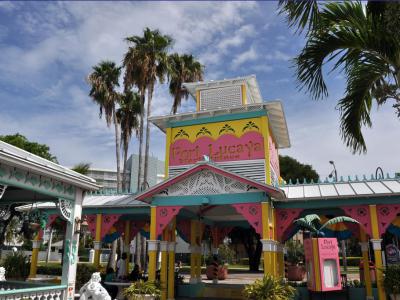
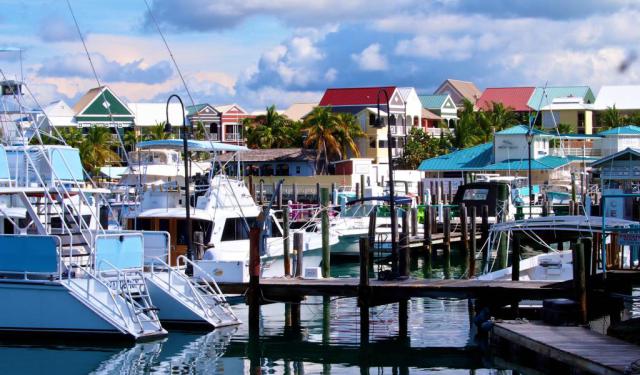
A walk through Freeport’s Lucaya district reveals the island’s livelier side. Visitors can explore Port Lucaya Marketplace, filled with craft stalls, jewelry shops, and open-air bars echoing with Caribbean calypso music. Nearby, Count Basie Square hosts live performances, while the marina shimmers with yachts and turquoise reflections. The scent of grilled seafood mingles with the ocean breeze, creating an atmosphere that captures the carefree rhythm of Bahamian life.
As you wander through Lucaya’s breezy streets and colorful markets, you’re walking through the promise that built Freeport — a place where vision met possibility and turned an untamed island into a Caribbean Riviera after all.
The town's name reflects its origin — a “free port” established under the 1955 Hawksbill Creek Agreement, when the Bahamian government granted American financier Wallace Groves a vast stretch of undeveloped land and special privileges to build a duty-free industrial and commercial hub. The goal was simple yet ambitious: to turn swampland into a self-sustaining city driven by open trade, tourism, and innovation.
Although Freeport’s foundation was modern, its history stretches back thousands of years. The island’s earliest known inhabitants were the Siboney, later succeeded by the Lucayans, who gave their name to nearby Lucaya. Spanish explorers arrived in the late 15th century, but the island remained remote and underdeveloped. In the 18th century, pirates found shelter in its hidden coves, turning the coastline into a lively black market for looted goods and enslaved people. When piracy waned, the south of Grand Bahama island slipped into obscurity until Groves’s bold vision revived it centuries later.
Under his leadership, the transformation was swift. By the 1960s, Freeport had evolved from marshland into a bustling city. Roads, ports, and factories spread across the island, while tax exemptions and minimal bureaucracy drew international investors. The Freeport Harbor, among the deepest in the Caribbean, became a vital node in global shipping, and the city’s economy expanded to include tourism, manufacturing, and services.
Tourism flourished particularly in Lucaya, developed as a resort district with marinas, beaches, and hotels catering to cruise passengers and vacationers.
A walk through Freeport’s Lucaya district reveals the island’s livelier side. Visitors can explore Port Lucaya Marketplace, filled with craft stalls, jewelry shops, and open-air bars echoing with Caribbean calypso music. Nearby, Count Basie Square hosts live performances, while the marina shimmers with yachts and turquoise reflections. The scent of grilled seafood mingles with the ocean breeze, creating an atmosphere that captures the carefree rhythm of Bahamian life.
As you wander through Lucaya’s breezy streets and colorful markets, you’re walking through the promise that built Freeport — a place where vision met possibility and turned an untamed island into a Caribbean Riviera after all.
How it works: Download the app "GPSmyCity: Walks in 1K+ Cities" from Apple App Store or Google Play Store to your mobile phone or tablet. The app turns your mobile device into a personal tour guide and its built-in GPS navigation functions guide you from one tour stop to next. The app works offline, so no data plan is needed when traveling abroad.
Freeport Introduction Walking Tour Map
Guide Name: Freeport Introduction Walking Tour
Guide Location: Bahamas » Freeport (See other walking tours in Freeport)
Guide Type: Self-guided Walking Tour (Sightseeing)
# of Attractions: 6
Tour Duration: 1 Hour(s)
Travel Distance: 1.9 Km or 1.2 Miles
Author: DanaOffice
Sight(s) Featured in This Guide:
Guide Location: Bahamas » Freeport (See other walking tours in Freeport)
Guide Type: Self-guided Walking Tour (Sightseeing)
# of Attractions: 6
Tour Duration: 1 Hour(s)
Travel Distance: 1.9 Km or 1.2 Miles
Author: DanaOffice
Sight(s) Featured in This Guide:
- Port Lucaya Marketplace
- Leo's Art Gallery
- Count Basie Square
- Bahamas Maritime Museum
- Flying Fish GastroBar
- Lucaya Beach
1) Port Lucaya Marketplace (must see)
The Port Lucaya Marketplace is the leading shopping, dining, and entertainment destination in the Bahamas. Located on the Lucayan Strip in the center of Grand Bahama’s main tourism district, this waterfront complex offers a lively open-air experience that appeals to visitors from around the world.
With more than forty specialty stores and boutiques, the Marketplace features a wide range of quality merchandise, including jewelry, cameras, watches, perfume, leather goods, and designer bags. Travelers can also browse the work of more than 120 handicraft and straw vendors who sell handmade bags, hats, baskets, and other items that make practical and memorable souvenirs.
Dining options are just as extensive. Several restaurants serve a variety of dishes, from traditional Bahamian meals to international cuisine. Seven bars and lounges offer refreshing drinks and local specialties, including the popular Coconut & Fruit Daiquiri Stand and Daddy Brown’s Conch and Seafood Stand, known for authentic Bahamian flavors.
At the center of the complex is the lively Market Square, a constant source of entertainment. Visitors can enjoy music throughout the day and evening, ranging from local Bahamian performances to international selections. Junkanoo shows and live bands bring added energy to the area, creating an engaging atmosphere that highlights the island’s culture.
The Port Lucaya Marketplace combines shopping, dining, and entertainment in one convenient location, making it a key attraction for anyone exploring Grand Bahama.
With more than forty specialty stores and boutiques, the Marketplace features a wide range of quality merchandise, including jewelry, cameras, watches, perfume, leather goods, and designer bags. Travelers can also browse the work of more than 120 handicraft and straw vendors who sell handmade bags, hats, baskets, and other items that make practical and memorable souvenirs.
Dining options are just as extensive. Several restaurants serve a variety of dishes, from traditional Bahamian meals to international cuisine. Seven bars and lounges offer refreshing drinks and local specialties, including the popular Coconut & Fruit Daiquiri Stand and Daddy Brown’s Conch and Seafood Stand, known for authentic Bahamian flavors.
At the center of the complex is the lively Market Square, a constant source of entertainment. Visitors can enjoy music throughout the day and evening, ranging from local Bahamian performances to international selections. Junkanoo shows and live bands bring added energy to the area, creating an engaging atmosphere that highlights the island’s culture.
The Port Lucaya Marketplace combines shopping, dining, and entertainment in one convenient location, making it a key attraction for anyone exploring Grand Bahama.
2) Leo's Art Gallery
Leo's Art Gallery, nestled in the vibrant Port Lucaya Marketplace, offers visitors a captivating journey through the world of art. Founded and curated by local artist Leo Brown, this small yet enchanting gallery serves as both a showroom and a studio, inviting guests to immerse themselves in Leo's vivid original paintings.
Stepping into Leo's Art Gallery, visitors are greeted by a kaleidoscope of colors adorning the walls, each painting a masterpiece of creativity and symbolism. Leo, a native of Nassau, has been honing his craft since a young age, and his talent was officially recognized when the late GBPA Chairman, Mr. Edward St. George, discovered his work and offered him a scholarship. Leo's paintings, influenced by Haitian-style art, depict a mesmerizing blend of exotic wildlife and religious scenes, each infused with deep symbolism and meaning.
As guests explore the gallery, Leo himself is often on hand to share the stories behind his creations, adding an extra layer of depth to the viewing experience. Every element of each painting holds significance, yet even at first glance, the images are striking, colorful, and intricate, captivating viewers with their beauty and complexity.
Leo's Art Gallery offers a glimpse into life on the islands, providing an authentic reminder of Grand Bahama beyond the tourist areas. The cozy space exudes warmth and charm, inviting visitors to linger and explore each piece at their leisure. With most pieces being very affordable, the gallery presents the perfect opportunity to acquire a meaningful memento of one's trip to the Bahamas.
Stepping into Leo's Art Gallery, visitors are greeted by a kaleidoscope of colors adorning the walls, each painting a masterpiece of creativity and symbolism. Leo, a native of Nassau, has been honing his craft since a young age, and his talent was officially recognized when the late GBPA Chairman, Mr. Edward St. George, discovered his work and offered him a scholarship. Leo's paintings, influenced by Haitian-style art, depict a mesmerizing blend of exotic wildlife and religious scenes, each infused with deep symbolism and meaning.
As guests explore the gallery, Leo himself is often on hand to share the stories behind his creations, adding an extra layer of depth to the viewing experience. Every element of each painting holds significance, yet even at first glance, the images are striking, colorful, and intricate, captivating viewers with their beauty and complexity.
Leo's Art Gallery offers a glimpse into life on the islands, providing an authentic reminder of Grand Bahama beyond the tourist areas. The cozy space exudes warmth and charm, inviting visitors to linger and explore each piece at their leisure. With most pieces being very affordable, the gallery presents the perfect opportunity to acquire a meaningful memento of one's trip to the Bahamas.
3) Count Basie Square (must see)
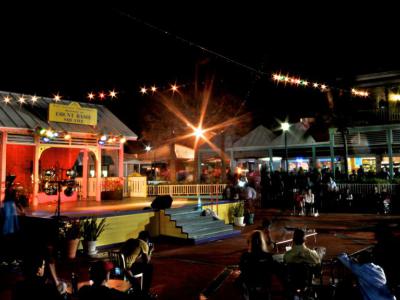
Count Basie Square is a lively center of entertainment and cultural activity. Named after the legendary jazz musician, the square serves as the heart of Port Lucaya’s entertainment district, offering visitors an engaging mix of music, dancing, and family-friendly activities.
Live performances bring the Caribbean spirit to life, especially on weekends when the square is at its busiest. Families and visitors of all ages gather to enjoy the rhythmic beats and upbeat melodies, creating a festive atmosphere that encourages everyone to join the fun. Nearby restaurants and bars offer convenient access to snacks and refreshing cocktails, making it easy to enjoy the entertainment while relaxing in the square’s ample seating areas. Many guests choose to watch as locals and tourists take to the dance floor, adding to the square’s lively appeal.
As the evening continues, the entertainment becomes even more interactive, with engaging performers and occasional karaoke sessions that invite audience participation. Throughout the week, Count Basie Square also hosts parades, festivals, and traditional Caribbean showcases, including calypso and limbo dancing. These events contribute to the square’s energetic and culturally rich environment.
Its location near shopping areas, waterfront views, and numerous dining options ensures there is always something to explore nearby. Count Basie Square remains a dynamic gathering place and a highlight for anyone visiting Port Lucaya.
Live performances bring the Caribbean spirit to life, especially on weekends when the square is at its busiest. Families and visitors of all ages gather to enjoy the rhythmic beats and upbeat melodies, creating a festive atmosphere that encourages everyone to join the fun. Nearby restaurants and bars offer convenient access to snacks and refreshing cocktails, making it easy to enjoy the entertainment while relaxing in the square’s ample seating areas. Many guests choose to watch as locals and tourists take to the dance floor, adding to the square’s lively appeal.
As the evening continues, the entertainment becomes even more interactive, with engaging performers and occasional karaoke sessions that invite audience participation. Throughout the week, Count Basie Square also hosts parades, festivals, and traditional Caribbean showcases, including calypso and limbo dancing. These events contribute to the square’s energetic and culturally rich environment.
Its location near shopping areas, waterfront views, and numerous dining options ensures there is always something to explore nearby. Count Basie Square remains a dynamic gathering place and a highlight for anyone visiting Port Lucaya.
4) Bahamas Maritime Museum
The Bahamas Maritime Museum offers visitors a captivating journey through The Bahamas' rich maritime history. Officially opened on August 8, 2022, the museum is a testament to the country's deep-seated connection to the sea, spanning over 700 islands and cays.
As visitors step into the Bahamas Maritime Museum, they embark on a voyage through time, exploring the various chapters of The Bahamas' maritime legacy. From the ancient Lucayan free-divers who once inhabited the islands to the harrowing tales of the transatlantic slave trade, water has always played a pivotal role in shaping the nation's history.
One of the focal points of the museum is the story of the Spanish galleon, Our Lady of Wonders, which met its fate on January 4, 1656, when it sank off the northern islands of The Bahamas. The remains of this majestic vessel serve as the museum's sunken crown jewel, offering visitors a tangible link to the past and a glimpse into the maritime adventures that unfolded centuries ago.
Through captivating exhibits and interactive displays, the Bahamas Maritime Museum delves into various themes, including the Spanish treasure fleets, the era of piracy that once made The Bahamas the pirate capital of the Americas, and the intricate network of trade routes that crisscrossed the region.
As visitors step into the Bahamas Maritime Museum, they embark on a voyage through time, exploring the various chapters of The Bahamas' maritime legacy. From the ancient Lucayan free-divers who once inhabited the islands to the harrowing tales of the transatlantic slave trade, water has always played a pivotal role in shaping the nation's history.
One of the focal points of the museum is the story of the Spanish galleon, Our Lady of Wonders, which met its fate on January 4, 1656, when it sank off the northern islands of The Bahamas. The remains of this majestic vessel serve as the museum's sunken crown jewel, offering visitors a tangible link to the past and a glimpse into the maritime adventures that unfolded centuries ago.
Through captivating exhibits and interactive displays, the Bahamas Maritime Museum delves into various themes, including the Spanish treasure fleets, the era of piracy that once made The Bahamas the pirate capital of the Americas, and the intricate network of trade routes that crisscrossed the region.
5) Flying Fish GastroBar
Flying Fish GastroBar is a culinary gem that celebrates the rich traditions of Bahamian cuisine while offering a modern and innovative dining experience. Established in one of the island's historic houses, Flying Fish Restaurant is a family-run establishment with a mission to revive and honor the traditional dishes of the Bahamas. Driven by values of pride, passion, community, quality, and comfort, Flying Fish GastroBar has evolved from a fine dining, high-end restaurant to a more casual yet equally exceptional dining experience.
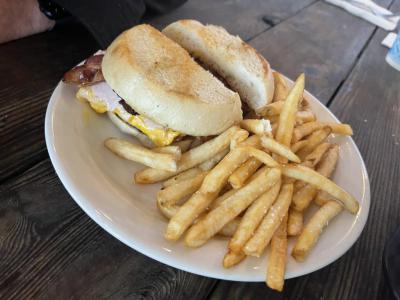
At Flying Fish GastroBar, visitors are treated to an authentic culinary journey, where every dish on the menu is a reflection of the Bahamas' vibrant food culture. From grilled fish to meat stew with potatoes, fried shrimp sticks with cheese, and more, the menu is a homage to the flavors and ingredients that define Bahamian cuisine.
Since its inception in 2012, Flying Fish GastroBar has garnered numerous awards, a testament to its commitment to excellence and innovation in culinary arts. The restaurant prides itself on unmatched service and attention to detail, offering a blend of traditional and modernist cuisine techniques that are unique in the Bahamas.
One of Flying Fish GastroBar's standout features is the presence of the Bahamas' only female Certified Sommelier, Rebecca Tibbitts. Led by Chef Tim Tibbitts, named one of the Top 25 Chefs for 2014 in the Caribbean by Caribbean Journal, the kitchen team crafts dishes that delight the senses and showcase the best of Bahamian gastronomy.
At Flying Fish GastroBar, visitors are treated to an authentic culinary journey, where every dish on the menu is a reflection of the Bahamas' vibrant food culture. From grilled fish to meat stew with potatoes, fried shrimp sticks with cheese, and more, the menu is a homage to the flavors and ingredients that define Bahamian cuisine.
Since its inception in 2012, Flying Fish GastroBar has garnered numerous awards, a testament to its commitment to excellence and innovation in culinary arts. The restaurant prides itself on unmatched service and attention to detail, offering a blend of traditional and modernist cuisine techniques that are unique in the Bahamas.
One of Flying Fish GastroBar's standout features is the presence of the Bahamas' only female Certified Sommelier, Rebecca Tibbitts. Led by Chef Tim Tibbitts, named one of the Top 25 Chefs for 2014 in the Caribbean by Caribbean Journal, the kitchen team crafts dishes that delight the senses and showcase the best of Bahamian gastronomy.
6) Lucaya Beach
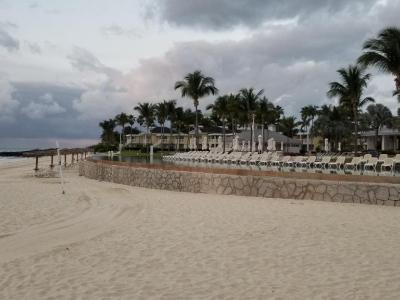
Lucaya Beach is renowned as one of the most sought-after tourist destinations in the Bahamas. Boasting a vast expanse of pristine white sand, this beach offers an array of exciting water sports activities, making it an ideal spot for adventure seekers and beach enthusiasts alike. Conveniently located across from the renowned Port Lucaya Marketplace, Lucaya Beach serves as a popular hub for cruise ship passengers.
Spanning across acres, Lucaya Beach provides an idyllic setting for leisurely strolls along the coastline, allowing visitors to soak in the breathtaking views of the azure waters and picturesque surroundings. For those seeking thrills, a variety of water sports options are available, ranging from exhilarating parasailing adventures to mesmerizing snorkeling experiences. Alternatively, visitors can simply unwind with a refreshing beverage at one of the vibrant beachside bars.
The lively ambiance of Lucaya Beach extends to its neighboring Coral and Silver Point beaches, creating an uninterrupted stretch of coastline ideal for runners and walkers. For those interested in underwater exploration, the Underwater Explorers Society dive center is conveniently located within walking distance of Lucaya Beach.
Moreover, beachgoers can rent snorkeling gear, kayaks, or banana boats from the various shops lining the beach, offering ample opportunities to explore the vibrant marine life and scenic coastlines. Additionally, resort hotels in the vicinity offer day passes granting access to pools and other amenities, providing visitors with the ultimate beachside experience in Lucaya Beach.
Spanning across acres, Lucaya Beach provides an idyllic setting for leisurely strolls along the coastline, allowing visitors to soak in the breathtaking views of the azure waters and picturesque surroundings. For those seeking thrills, a variety of water sports options are available, ranging from exhilarating parasailing adventures to mesmerizing snorkeling experiences. Alternatively, visitors can simply unwind with a refreshing beverage at one of the vibrant beachside bars.
The lively ambiance of Lucaya Beach extends to its neighboring Coral and Silver Point beaches, creating an uninterrupted stretch of coastline ideal for runners and walkers. For those interested in underwater exploration, the Underwater Explorers Society dive center is conveniently located within walking distance of Lucaya Beach.
Moreover, beachgoers can rent snorkeling gear, kayaks, or banana boats from the various shops lining the beach, offering ample opportunities to explore the vibrant marine life and scenic coastlines. Additionally, resort hotels in the vicinity offer day passes granting access to pools and other amenities, providing visitors with the ultimate beachside experience in Lucaya Beach.
The Most Popular Cities
/ view all