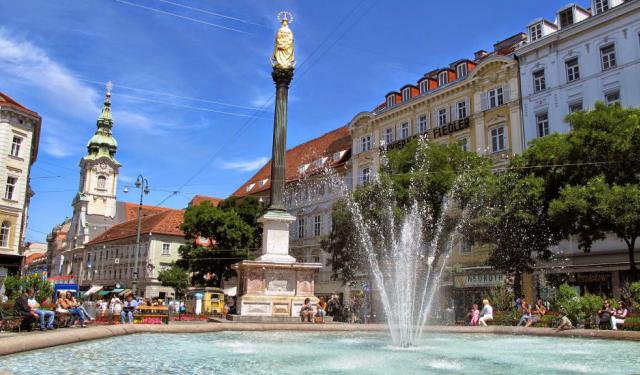


Audio Guide: Graz Introduction Walking Tour (Self Guided), Graz
Before humanity understood how planets move, the renowned astronomer Johannes Kepler was studying the skies from Graz between 1594 and 1600. During his time here, he developed ideas that would eventually lead to his revolutionary laws of planetary motion.
Graz, the capital of the Austrian state of Styria, has a history stretching back more than a thousand years. Its name derives from the Slavic word gradec, meaning “small castle” or “fortified place,” a reference to the stronghold that once stood atop the hill now known as Castle Hill.
The settlement first appears in historical records in the 12th century. The fortified castle protected an important trading route between the Alps and the Balkans, helping the community prosper. By the 13th century, Graz had become the residence of the Styrian dukes and an important regional center.
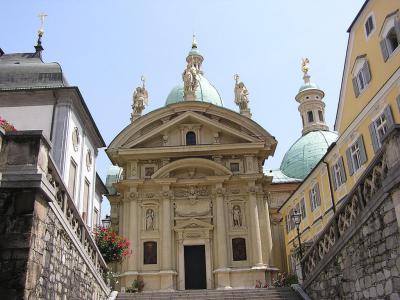
The city flourished during the late Middle Ages and the Renaissance. Its strategic position made it a key defensive outpost against Ottoman incursions into Central Europe during the 15th and 16th centuries. In 1564, Graz became the residence of the Inner Austrian branch of the Habsburg dynasty. The city gained political and cultural importance, attracting architects, artists, and scholars. The future Holy Roman Emperor Ferdinand II spent much of his early life here and commissioned several notable buildings, including the cathedral and mausoleum complex.
Although the city lost some political significance when the Habsburg court moved to Vienna, Graz remained an important commercial and educational center. The founding of the University of Graz in 1585 helped establish its reputation as a center of learning.
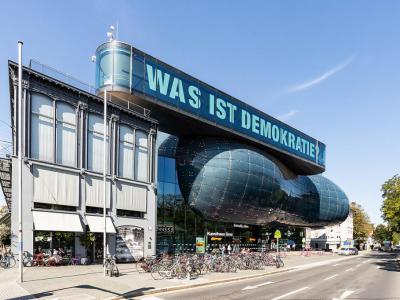
The 19th century brought industrial growth and modernization, while the 20th century saw the challenges of two world wars and subsequent recovery. Today, Graz is Austria’s second-largest city, celebrated for its remarkably preserved Old Town, Renaissance courtyards, vibrant student population, and innovative architecture. In 1999, its historic center was designated a UNESCO World Heritage Site, recognizing the city's unique blend of medieval, Renaissance, Baroque, and modern influences.
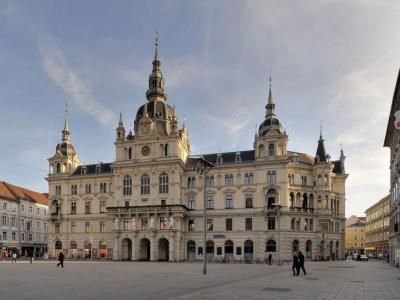
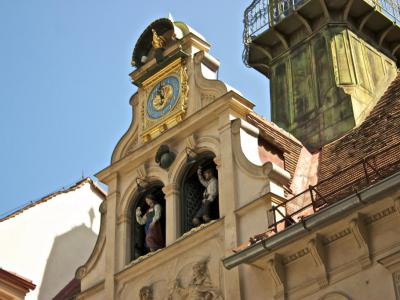
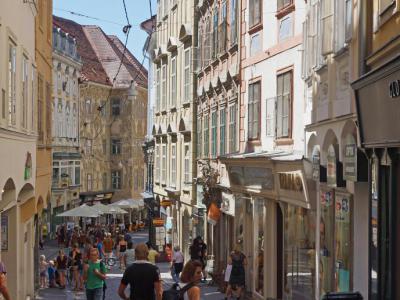
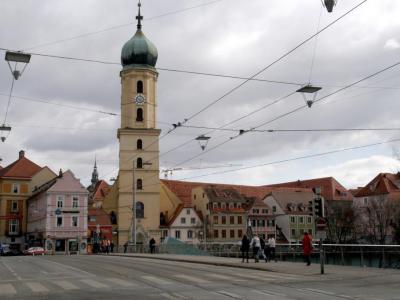
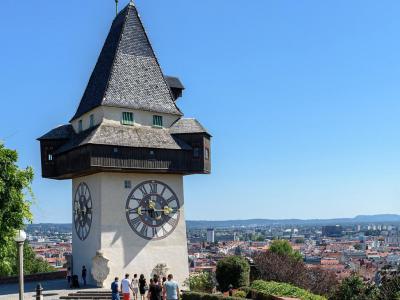
Walking through Graz’s Old Town, visitors encounter a delightful mix of medieval streets, Renaissance courtyards, and lively public squares. The journey often begins at the Main Square, dominated by the grand Town Hall, before continuing along historic Spur Street, lined with elegant façades, shops, and cafés. Above the rooftops rises the iconic Clock Tower on Castle Hill, while hidden courtyards, ornate churches, and bustling squares reveal the city’s unique blend of history, culture, and everyday Austrian life.
You don't have to be an astronomer to enjoy the city, but it helps to keep your eyes open. Kepler searched the skies for order; here, all you need to do is follow the streets and enjoy the discoveries along the way.
Graz, the capital of the Austrian state of Styria, has a history stretching back more than a thousand years. Its name derives from the Slavic word gradec, meaning “small castle” or “fortified place,” a reference to the stronghold that once stood atop the hill now known as Castle Hill.
The settlement first appears in historical records in the 12th century. The fortified castle protected an important trading route between the Alps and the Balkans, helping the community prosper. By the 13th century, Graz had become the residence of the Styrian dukes and an important regional center.
The city flourished during the late Middle Ages and the Renaissance. Its strategic position made it a key defensive outpost against Ottoman incursions into Central Europe during the 15th and 16th centuries. In 1564, Graz became the residence of the Inner Austrian branch of the Habsburg dynasty. The city gained political and cultural importance, attracting architects, artists, and scholars. The future Holy Roman Emperor Ferdinand II spent much of his early life here and commissioned several notable buildings, including the cathedral and mausoleum complex.
Although the city lost some political significance when the Habsburg court moved to Vienna, Graz remained an important commercial and educational center. The founding of the University of Graz in 1585 helped establish its reputation as a center of learning.
The 19th century brought industrial growth and modernization, while the 20th century saw the challenges of two world wars and subsequent recovery. Today, Graz is Austria’s second-largest city, celebrated for its remarkably preserved Old Town, Renaissance courtyards, vibrant student population, and innovative architecture. In 1999, its historic center was designated a UNESCO World Heritage Site, recognizing the city's unique blend of medieval, Renaissance, Baroque, and modern influences.
Walking through Graz’s Old Town, visitors encounter a delightful mix of medieval streets, Renaissance courtyards, and lively public squares. The journey often begins at the Main Square, dominated by the grand Town Hall, before continuing along historic Spur Street, lined with elegant façades, shops, and cafés. Above the rooftops rises the iconic Clock Tower on Castle Hill, while hidden courtyards, ornate churches, and bustling squares reveal the city’s unique blend of history, culture, and everyday Austrian life.
You don't have to be an astronomer to enjoy the city, but it helps to keep your eyes open. Kepler searched the skies for order; here, all you need to do is follow the streets and enjoy the discoveries along the way.
How it works: Download the app "GPSmyCity: Walks in 1K+ Cities" from Apple App Store or Google Play Store to your mobile phone or tablet. The app turns your mobile device into a personal tour guide and its built-in GPS navigation functions guide you from one tour stop to next. The app works offline, so no data plan is needed when traveling abroad.
Download The GPSmyCity App



Graz Introduction Walking Tour Map
Guide Name: Graz Introduction Walking Tour
Guide Location: Austria » Graz (See other walking tours in Graz)
Guide Type: Self-guided Walking Tour (Sightseeing)
Tour Duration: 2 Hour(s)
Travel Distance: 3.0 Km or 1.9 Miles
Guide Location: Austria » Graz (See other walking tours in Graz)
Guide Type: Self-guided Walking Tour (Sightseeing)
Tour Duration: 2 Hour(s)
Travel Distance: 3.0 Km or 1.9 Miles
Sights Featured in This Walk
The Most Popular Cities
/ view all