

Audio Guide: Hoi An Introduction Walking Tour (Self Guided), Hoi An
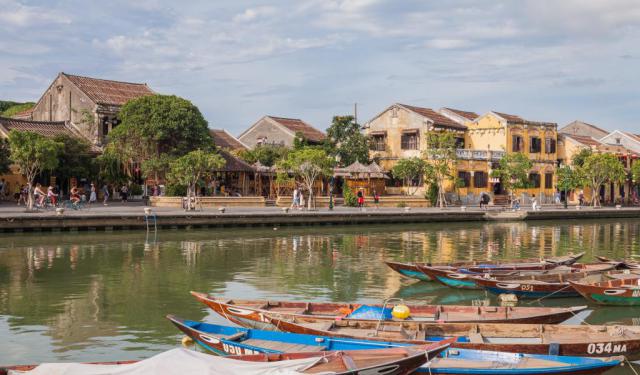
Lying along the picturesque Thu Bon River in central Vietnam is the charming town of Hoi An, a UNESCO World Heritage Site renowned for its well-preserved ancient architecture inspired by a fusion of local and foreign influences (Chinese, Japanese, French, and Portuguese).
The name "Hoi An" translates from Sino-Vietnamese as "peaceful meeting place". In the West, the town was known historically as Faifoo or Faifo.
The town's early history is rooted in the Kingdom of Champa, whose control of the strategic spice trade from the 7th to 10th centuries made Hoi An its commercial center, utilizing the river system for trade with neighboring regions.
In 1471, the Dại Viet Emperor annexed Champa, making Hoi An a Vietnamese territory. In the 16th century, Portuguese explorer António de Faria attempted to establish a trading post near Hoi An, which flourished as a major port on the South China Sea from 1570.
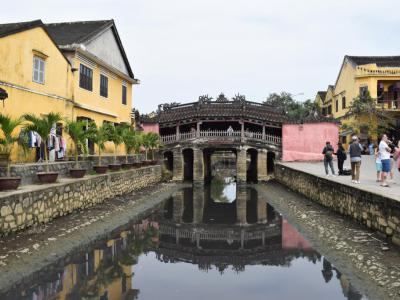
Renowned for its ceramic industry, Hoi An remained a bustling trading hub throughout the 16th-18th centuries, attracting Chinese and Japanese merchants who recognized its strategic importance in Southeast Asia. The iconic Japanese Covered Bridge built during that period, adorned with a Buddhist temple, symbolizes the town's diverse cultural influences and pivotal role in maritime trade routes linking Europe, China, India, Japan, and beyond.
At the end of the 18th century, however, Hoi An's importance sharply waned and it became a forgotten backwater - untouched by changes over the next 200 years. It wasn't until the 1990s, that Hoi An experienced a revival.
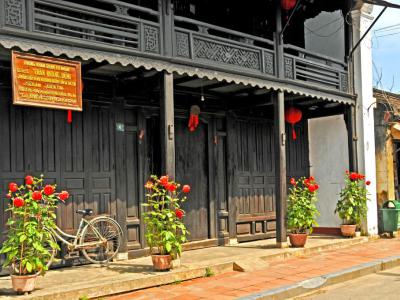
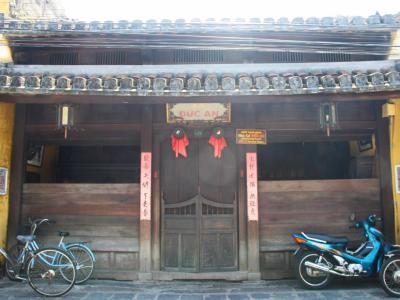
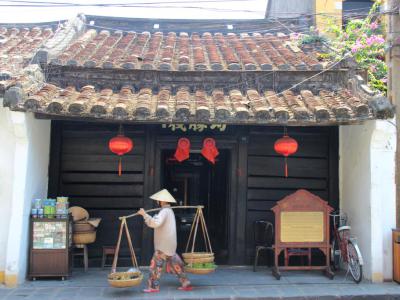
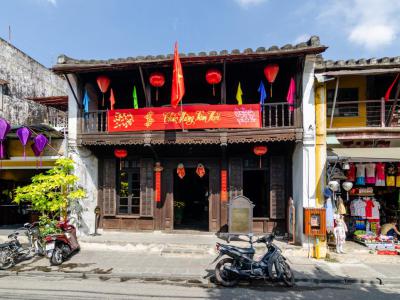
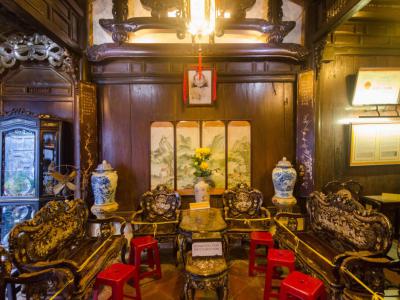
Hoi An's cultural tapestry is best explored through its architectural landmarks. Locations like the Phung Hung Ancient House and Duc An Old House offer glimpses into the lives of prosperous merchants with their intricate wood carvings and traditional architectural features.
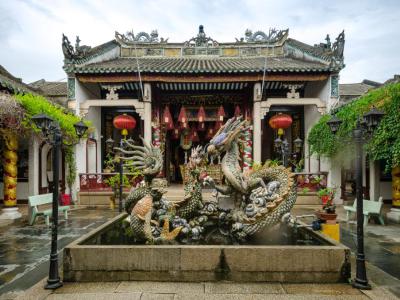
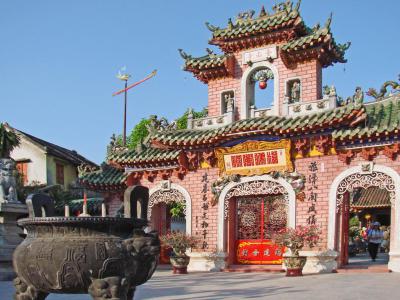
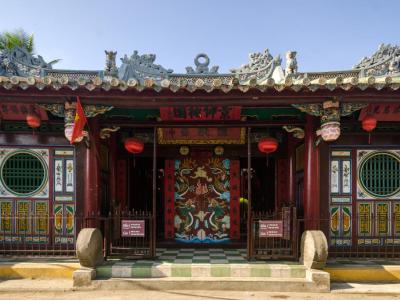
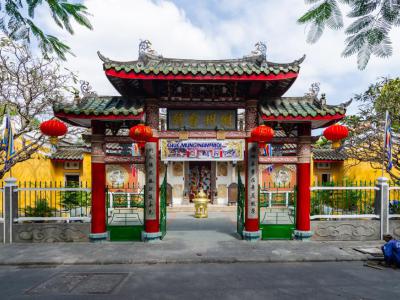
Visitors can immerse themselves further in Hoi An's cultural mosaic by visiting the Cantonese, Phuc Kien, and Trieu Chau assembly halls, each adorned with ornate sculptures and vibrant artwork depicting mythological figures and historical scenes.
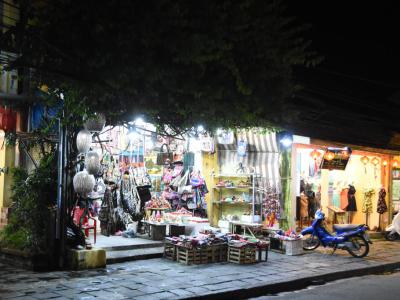
You'll get easily enchanted wandering through Hoi An's ancient streets, marveling at its architectural marvels, and savoring the flavors of its culinary delights. This timeless gem is ready to reveal itself to a discerning traveler. So, don't make it wait for too long!
The name "Hoi An" translates from Sino-Vietnamese as "peaceful meeting place". In the West, the town was known historically as Faifoo or Faifo.
The town's early history is rooted in the Kingdom of Champa, whose control of the strategic spice trade from the 7th to 10th centuries made Hoi An its commercial center, utilizing the river system for trade with neighboring regions.
In 1471, the Dại Viet Emperor annexed Champa, making Hoi An a Vietnamese territory. In the 16th century, Portuguese explorer António de Faria attempted to establish a trading post near Hoi An, which flourished as a major port on the South China Sea from 1570.
Renowned for its ceramic industry, Hoi An remained a bustling trading hub throughout the 16th-18th centuries, attracting Chinese and Japanese merchants who recognized its strategic importance in Southeast Asia. The iconic Japanese Covered Bridge built during that period, adorned with a Buddhist temple, symbolizes the town's diverse cultural influences and pivotal role in maritime trade routes linking Europe, China, India, Japan, and beyond.
At the end of the 18th century, however, Hoi An's importance sharply waned and it became a forgotten backwater - untouched by changes over the next 200 years. It wasn't until the 1990s, that Hoi An experienced a revival.
Hoi An's cultural tapestry is best explored through its architectural landmarks. Locations like the Phung Hung Ancient House and Duc An Old House offer glimpses into the lives of prosperous merchants with their intricate wood carvings and traditional architectural features.
Visitors can immerse themselves further in Hoi An's cultural mosaic by visiting the Cantonese, Phuc Kien, and Trieu Chau assembly halls, each adorned with ornate sculptures and vibrant artwork depicting mythological figures and historical scenes.
You'll get easily enchanted wandering through Hoi An's ancient streets, marveling at its architectural marvels, and savoring the flavors of its culinary delights. This timeless gem is ready to reveal itself to a discerning traveler. So, don't make it wait for too long!
How it works: Download the app "GPSmyCity: Walks in 1K+ Cities" from Apple App Store or Google Play Store to your mobile phone or tablet. The app turns your mobile device into a personal tour guide and its built-in GPS navigation functions guide you from one tour stop to next. The app works offline, so no data plan is needed when traveling abroad.
Download The GPSmyCity App



Hoi An Introduction Walking Tour Map
Guide Name: Hoi An Introduction Walking Tour
Guide Location: Vietnam » Hoi An (See other walking tours in Hoi An)
Guide Type: Self-guided Walking Tour (Sightseeing)
Tour Duration: 2 Hours
Travel Distance: 2.1 Km or 1.3 Miles
Tour Best Suited For: First-time visit
Guide Location: Vietnam » Hoi An (See other walking tours in Hoi An)
Guide Type: Self-guided Walking Tour (Sightseeing)
Tour Duration: 2 Hours
Travel Distance: 2.1 Km or 1.3 Miles
Tour Best Suited For: First-time visit
Sights Featured in This Walk

City Walks Overview
