

Hotel Zone Walking Tour, Cancun

Hotel Zone Walking Tour (Self Guided), Cancun

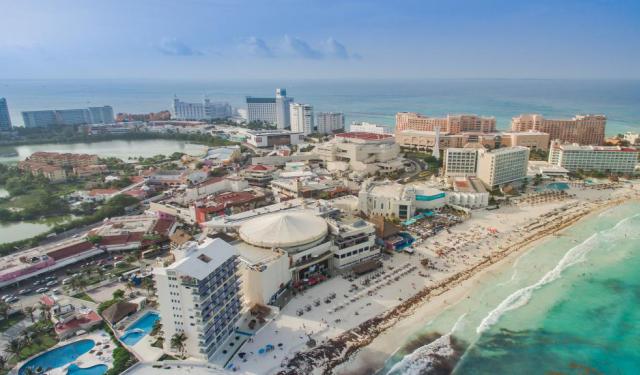
Cancún’s Hotel Zone is often recognized from aerial photos rather than history books: a thin ribbon of land bordered by bright water on both sides. Over the years, it has hosted global events, celebrity vacations, and millions of first-time visitors seeing the Caribbean for the first time. What makes it unusual is not just the scenery, but the fact that this entire area was designed to guide movement, views, and experiences almost from the ground up.

Until the late 20th century, this coastline was largely undeveloped. In the early 1970s, Cancún was selected as a planned tourism destination, and the Hotel Zone became its centerpiece. Engineers and planners shaped the island, built causeways, and laid out a single main road that would connect beaches, hotels, and services. Growth was fast, controlled, and intentionally separate from the mainland city.

Today, the Hotel Zone feels like a world of its own. It stretches along a narrow strip between the Caribbean Sea and the Nichupté Lagoon, with nearly everything oriented toward the water. The atmosphere is busy but relaxed, especially during the day, with buses, pedestrians, and beachgoers constantly moving along the main boulevard. Despite the activity, the area remains easy to navigate thanks to its linear layout.

Kukulcán Boulevard runs through the entire Hotel Zone and serves as its backbone. Along it, you’ll find resorts, public beach access points, restaurants, and shopping areas like La Isla Shopping Village, known for its open-air layout and canals. The road offers frequent views of both the sea and the lagoon, reminding you how narrow this stretch of land really is.

This walk focuses on the Hotel Zone as a place of movement and design rather than just scenery. As we go, notice how the space is organized, how people use it, and how Cancún presents itself to the world through this carefully planned strip along the water.
How it works: Download the app "GPSmyCity: Walks in 1K+ Cities" from Apple App Store or Google Play Store to your mobile phone or tablet. The app turns your mobile device into a personal tour guide and its built-in GPS navigation functions guide you from one tour stop to next. The app works offline, so no data plan is needed when traveling abroad.

Download The GPSmyCity App

Hotel Zone Walking Tour Map

Guide Name: Hotel Zone Walking Tour
Guide Location: Mexico » Cancun (See other walking tours in Cancun)
Guide Type: Self-guided Walking Tour (Sightseeing)
# of Attractions: 9
Tour Duration: 3 Hour(s)
Travel Distance: 5.6 Km or 3.5 Miles
Author: anna
Sight(s) Featured in This Guide:
  • Kukulcan Boulevard
  • Kukulcan Plaza
  • Yamil Lu'um Ruins
  • La Isla Shopping Village
  • Interactive Aquarium Cancun
  • Lorenzillo's Restaurant
  • Forum by the Sea Shooping Center
  • Mercado Coral Negro (Coral Negro Flea Market)
  • Cancun Lighthouse
1
Kukulcan Boulevard

1) Kukulcan Boulevard (must see)

Kukulcán Boulevard is the main road running through Cancún’s Hotel Zone and the easiest way to understand how this part of the city works. Built on a narrow strip of land between the Caribbean Sea and the Nichupté Lagoon, the boulevard connects hotels, beaches, restaurants, shopping areas, and landmarks in a single, continuous line. Nearly everything visitors come to see in the Hotel Zone sits along or just off this road, making it both a transportation route and a sightseeing corridor.

As you walk along Kukulcán Boulevard, pay attention to what’s on both sides of you. On the east side, look for public beach access points marked with signs leading toward the sea; even areas between large resorts often open onto wide stretches of sand. On the west side, glance toward the lagoon, especially where the road curves or rises slightly, offering calmer water views and, in the late afternoon, reflections of the sky.

Continue along the boulevard and notice how the surroundings change by section. Some areas feel resort-heavy, with tall hotels and guarded entrances, while others open up to shopping complexes, bus stops, and casual restaurants. Look for pedestrian bridges crossing the road—these are common landmarks and helpful reference points when navigating. If you decide to visit La Isla Shopping Village, slow down and observe how the boulevard widens and becomes busier, with more foot traffic and street activity.

Kukulcán Boulevard connects nearly every major stop in the Hotel Zone and shapes how visitors move through Cancún. With regular bus service, continuous sidewalks, and clear visual landmarks, it’s easy to follow and easy to remember.
2
Kukulcan Plaza

2) Kukulcan Plaza

Kukulcán Plaza is one of the more established shopping centers in Cancún’s Hotel Zone, offering a quieter and more relaxed alternative to the larger, busier malls nearby. Open since 1992, the mall stands out for its distinctive architecture, which gives it a more refined and recognizable character compared to newer complexes. Located along Kukulcán Boulevard, it’s easy to reach by bus or on foot and is often appreciated for its manageable size and calmer atmosphere.

The plaza is known for its mix of mid-range and high-end stores, including jewelry shops, fashion boutiques, perfume stores, and souvenir outlets. Many visitors stop here for practical shopping, such as buying gifts, beachwear, or travel essentials, without feeling rushed or overwhelmed. Several shops specialize in Mexican silver, crafts, and branded goods. The presence of a large supermarket often draws the most consistent traffic, especially from visitors staying in nearby hotels.

Kukulcán Plaza also includes cafés, casual restaurants, and services like currency exchange and travel-related shops. Inside, one of the most striking features is a Mayan-style stained glass window set into the ceiling, which allows natural light to filter through in an attractive way and adds a distinctive local touch to the interior.
3
Yamil Lu'um Ruins

3) Yamil Lu'um Ruins

Yamil Lu'um Ruins are a small but historically significant archaeological site located directly within Cancún’s Hotel Zone, between the Park Royal Piramides and the Westin Lagunamar. Surrounded by modern resorts, the ruins offer a quiet reminder that this coastline was once part of an active Mayan network long before tourism reshaped the area.

The site dates to the late Postclassic period, roughly between the 13th and mid-16th centuries. It consists of the remains of two small temple structures built on a raised platform. Although modest in size, their placement is notable: Yamil Lu’um sits at one of the highest natural points along Cancún’s beachfront. This elevated position suggests the site functioned as a lookout, navigational marker, or signaling point for coastal travel rather than as a ceremonial center.

Each structure was once identified by distinctive features. One was associated with a carved scorpion motif and became known as the Temple of the Scorpion, while the other featured a handprint impressed into the stucco, earning it the name Temple of the Handprint. These details are no longer visible today, but their recorded presence helps explain how the buildings were originally distinguished.

Yamil Lu’um was documented in 1842 by American explorer and diplomat John Lloyd Stephens and is now maintained as part of the surrounding resort property.
4
La Isla Shopping Village

4) La Isla Shopping Village (must see)

La Isla Shopping Village is one of the best-known shopping and leisure areas in Cancún’s Hotel Zone. Designed as an open-air complex, it combines shops, restaurants, and entertainment around a system of canals and walkways. Instead of enclosed corridors, the space feels open and social, with water, bridges, and seating areas shaping how visitors move through it.

As you enter the village, follow the main walkway and look toward the canal running through the center. Bridges connect different sections, and many stores open directly onto the paths, making it easy to browse as you walk. You’ll pass souvenir shops, fashion boutiques, and stores selling locally made crafts, along with small tasting spots offering regional products like Mexican tequila. Keep an eye out for the fountains along the way—they’re easy to spot and often used as meeting points.

Head toward the lagoon side of the complex and you'll notice restaurants and cafés that sit right along the water, with tables arranged to face the canal. This area is designed for sitting rather than passing through, and it’s a natural place to stop for a meal or coffee while looking out over the water. Nearby, practical stops like a pharmacy are tucked into the layout, blending everyday needs into the shopping experience.

Beyond shopping and dining, La Isla also includes attractions such as the Interactive Aquarium and a movie theater, which draw visitors throughout the day. The overall layout encourages wandering, pausing, and of course - shopping, making La Isla a comfortable break from the beach while staying right in the heart of the Hotel Zone.
5
Interactive Aquarium Cancun

5) Interactive Aquarium Cancun

Tucked inside La Isla Shopping Village in Cancún’s Hotel Zone, Interactive Aquarium Cancún offers a close-up look at marine life just steps from the main walkways and canals, fitting easily into time spent exploring the area.

The aquarium features a series of well-maintained tanks that showcase marine life from the Caribbean and deeper ocean environments. Visitors can see species such as clownfish, seahorses, moray eels, jellyfish, rays, and various reef fish. The exhibits are designed for close viewing, allowing guests to observe details that are easy to miss in the open sea. Informational displays explain the habitats and behaviors of the animals in a clear, accessible way.

A key part of the experience is the interactive focus. Some areas allow visitors to touch certain marine elements, such as coral or rays, under staff supervision. The aquarium also includes educational displays like skeletal exhibits and guided explanations that add context to what you’re seeing. Larger tanks feature sharks and sea turtles, offering an up-close look at species rarely encountered outside controlled environments.

Interactive Aquarium Cancún provides a cool indoor break from the heat, a chance to learn about regional marine life, and an engaging stop for families or curious travelers.
6
Lorenzillo's Restaurant

6) Lorenzillo's Restaurant

Lorenzillo’s Restaurant is one of Cancún’s most recognizable dining landmarks, located directly along Kukulcán Boulevard on the Nichupté Lagoon side of the Hotel Zone. Known as a classic lobster house, it has been part of the city’s dining scene since the early years of Cancún’s development and continues to attract both locals and visitors looking for traditional seafood in a distinctive setting.

Reaching the restaurant is part of the experience. A wooden plank walkway leads over the lagoon to the entrance, immediately setting it apart from surrounding venues. Just to the left, a bar area offers a place to stop for a drink before or after dinner. Inside, the décor follows a bold pirate theme, with anchors, maps, ship wheels, and nautical details creating a setting that feels immersive without overwhelming the dining space.

Lobster is the centerpiece of the menu, sourced from Isla Mujeres fishermen and kept live on-site until preparation. Dishes range from classic lobster preparations to house specialties, alongside a broader selection of Mexican seafood. Options include jumbo shrimp, scallops, soft-shell crab, stone crab, Chilean sea bass, and traditional favorites like Caesar salad. Margaritas and a solid wine list round out the menu, pairing naturally with the seafood focus.

Built using native hardwoods and topped with a large palapa-style roof, Lorenzillo’s makes full use of its lagoon-front location. Tables are arranged to face the water, especially in the outdoor areas, where reflections and passing boats add to the atmosphere.
7
Forum by the Sea Shooping Center

7) Forum by the Sea Shooping Center

Forum by the Sea Shopping Center is a lively shopping and entertainment complex located along Kukulcán Boulevard in Cancún’s Hotel Zone, notable for its direct beach access. This feature alone sets it apart from many other shopping areas in the city and makes it a popular stop for visitors who want to combine time by the sea with shopping and dining in one place.

The mall includes a range of stores selling clothing, beachwear, and accessories, mixing designer labels with more casual brands. Souvenir shops are especially prominent, with handcrafted silver jewelry and locally themed items among the most sought-after purchases. The layout is open and easy to navigate, encouraging visitors to browse without committing much time, whether they’re coming from the beach or walking along the boulevard.

Forum by the Sea is also strongly tied to Cancún’s entertainment scene. Inside the complex, you’ll find cinemas, a well-known disco, and several dining options. A terrace on the second floor opens toward the Caribbean Sea, offering clear views and a quieter place to sit and take a break. Dining ranges from recognizable names like the Hard Rock Cafe to casual fast-food spots and a second-floor food court with multiple choices, making the center an active meeting point from daytime through late evening.
8
Mercado Coral Negro (Coral Negro Flea Market)

8) Mercado Coral Negro (Coral Negro Flea Market)

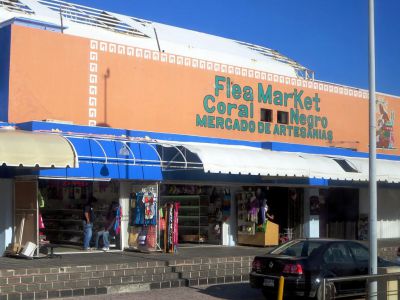
Mercado Coral Negro, also known as Coral Negro Flea Market, is a long-running open-air market located along Kukulcán Boulevard in Cancún’s Hotel Zone, close to Forum by the Sea Shopping Center and the ferry terminal to Isla Mujeres. It’s a well-known stop for visitors looking to browse beyond modern malls and explore a more traditional side of the city’s shopping scene.

The market is arranged as a network of narrow walkways lined with dozens of small stalls. Vendors sell a wide variety of items, including embroidered cotton clothing, T-shirts, hats, hammocks, charro-style accessories, masks, and decorative crafts. You’ll also find stalls offering Mexican sweets, souvenir items, and locally inspired gifts. Bargaining is common, and prices are often quoted informally, so short exchanges with vendors are part of the experience.

As you move deeper into the market, the selection shifts. Several air-conditioned shops specialize in jewelry, displaying silver pieces and colorful stones in glass cases. Other stalls focus on personal souvenirs, offering hair braiding and temporary henna tattoos, which are especially popular with visitors looking for something quick and visual to take away from their trip.

Coral Negro Flea Market has a busy, informal atmosphere shaped by its location and layout. With steady foot traffic from nearby beaches, ferry arrivals, and bus stops, it’s easy to include as a short visit while exploring the Hotel Zone. The market offers a contrast to polished shopping centers, centered on variety, direct interaction, and traditional souvenir shopping.
9
Cancun Lighthouse

9) Cancun Lighthouse (must see)

Cancún Lighthouse is a prominent landmark near the southern stretch of Cancún’s Hotel Zone, positioned along the coast where ferry routes and open water activity converge. Built in 2005, the tower was designed not only for navigation but also as a point of interest for visitors, combining maritime function with tourism. Its height and visibility make it easy to spot from a distance, especially along Kukulcán Boulevard.

As you approach the lighthouse area, look toward the shoreline where boat traffic becomes more concentrated. The tower rises above the surrounding structures, marking a departure point for ferries traveling to Isla Mujeres. Pause here and notice the steady movement on the water—small vessels, tour boats, and larger ferries passing through the same routes that have connected this coastline for centuries.

Step closer and take a moment to observe the lighthouse itself. The tower sends out a white flash every six seconds, a functional detail that reflects its continued role in navigation. From this vantage point, you can also look back toward the Hotel Zone and see how the developed beachfront gives way to open water and marine routes. Pirate ship replicas often depart from this area, offering day trips that echo stories once tied to this coastline.

The site is closely linked to Isla Mujeres, an island surrounded by legends of pirates and ancient traditions. Today, visitors board ferries here to cross the channel, trading the busy shoreline for calmer island beaches. The lighthouse stands at a practical turning point along the coast, where present-day boat traffic follows routes used long before Cancún became a resort city.

Walking Tours in Cancun, Mexico

Create Your Own Walk in Cancun

Create Your Own Walk in Cancun

Creating your own self-guided walk in Cancun is easy and fun. Choose the city attractions that you want to see and a walk route map will be created just for you. You can even set your hotel as the start point of the walk.
Downtown Walking Tour

Downtown Walking Tour

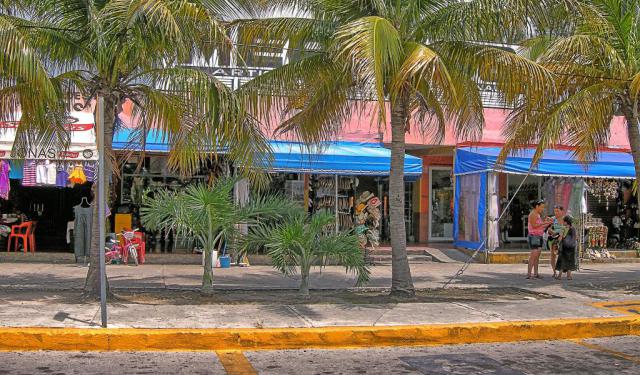
Cancún is often linked to stories of turquoise water, spring break energy, and the rapid rise of a city built almost from scratch. It’s also tied to the wider history of the Maya world that once dominated this coast, with nearby ruins reminding visitors that this place mattered long before resorts arrived. What surprises many people is how planned the city is—and how different its local side...  view more

Tour Duration: 1 Hour(s)
Travel Distance: 2.3 Km or 1.4 Miles

Useful Travel Guides for Planning Your Trip

Cancun Souvenir Shopping: 17 Mexican Things to Buy

Cancun Souvenir Shopping: 17 Mexican Things to Buy

Part of the Yucatán Peninsula, Cancun is a major tourist spot on the face of Mexico, drawing annually millions of tourists. Yucatan is a home to some of the Mexican delights, such as Xtabentún Liqueur, which makes it a true magnet for visitors looking to pick up something memorable and...