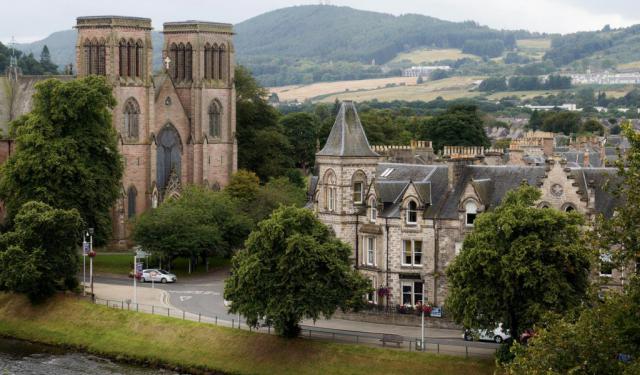


Walking Through Inverness' Historic City Center (Self Guided), Inverness
Often regarded as the Capital of the Scottish Highlands, Inverness is steeped in history and legend. The name "Inverness" derives from the Scottish Gaelic "Inbhir Nis," which means "mouth of the River Ness," a fitting moniker for a city that thrives along the banks of this scenic waterway.
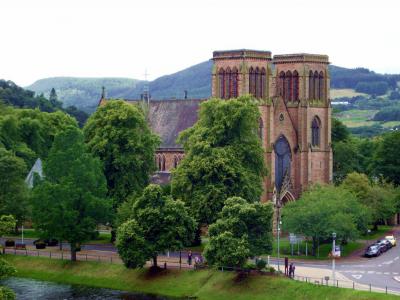
The Inverness area has been inhabited since 6500 BC, once being a significant stronghold of the Pict people. Following a visit by Saint Columba in 569 AD, the early Celtic monks established their presence on Saint Michael's Mount, now the site of the Old High Church.
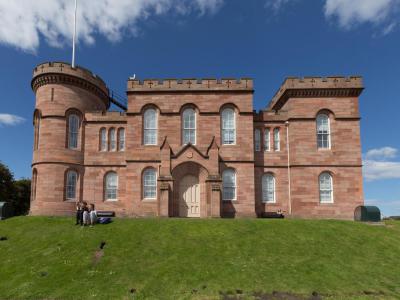
Much of Inverness's history is associated with its Medieval past. William Shakespeare immortalized the town in his play "Macbeth" based on the 11th-century murder of King Duncan. Although the play was pure fiction and the castle where the real MacBeth lived no longer stands, the story did stand the test of time. Visitors can now walk the grounds of the rebuilt Inverness Castle believing here MacBeth set his foot on.
Inverness saw its first royal charter granted in the 12th century. The strategic importance of its location led to numerous conflicts, including battles between Scottish monarchs and Norse invaders, shaping its tumultuous past until the 15th century.
During the 1562 suppression of Huntly's insurrection, Mary, Queen of Scots, was refused entry to Inverness Castle by the governor, which led to his subsequent execution and the castle itself being seized on her behalf. Later, Inverness saw Oliver Cromwell's construction of a citadel, which played a significant part in the Jacobite rising of 1689, but was demolished after the restoration of the British monarchy.
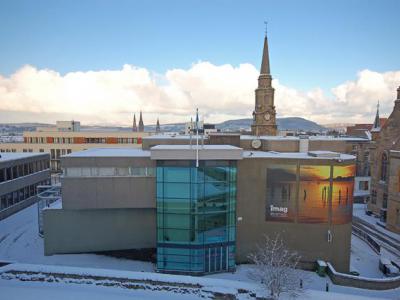
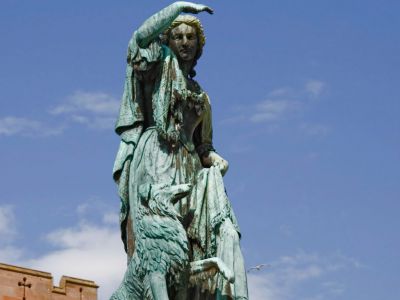
In the 18th century, Inverness witnessed turbulent times once again as Jacobites raised another revolt in 1745. Visitors can learn more about this period of Scottish history by touring the Inverness Museum and Art Gallery or checking out the Flora McDonald Statue.
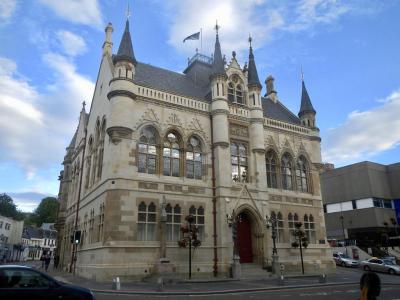
More recently, in 1921, the Inverness Town House hosted the historic British Cabinet meeting, leading to the formulation of the Inverness Formula, pivotal in the Anglo-Irish Treaty which concluded the Irish War of Independence.
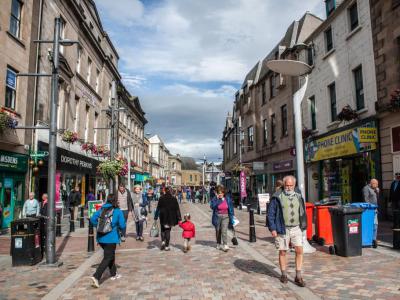
In modern times, Inverness has seen remarkable economic growth and been consistently acclaimed as one of Scotland's happiest places. As you stroll through the bustling thoroughfares of Falcon Square and High Street, the echoes of centuries past will reverberate through the cobblestone streets and linger in your memory long after you've departed. So, to hear more clearly the stories they tell, follow this self-guided walking tour.
The Inverness area has been inhabited since 6500 BC, once being a significant stronghold of the Pict people. Following a visit by Saint Columba in 569 AD, the early Celtic monks established their presence on Saint Michael's Mount, now the site of the Old High Church.
Much of Inverness's history is associated with its Medieval past. William Shakespeare immortalized the town in his play "Macbeth" based on the 11th-century murder of King Duncan. Although the play was pure fiction and the castle where the real MacBeth lived no longer stands, the story did stand the test of time. Visitors can now walk the grounds of the rebuilt Inverness Castle believing here MacBeth set his foot on.
Inverness saw its first royal charter granted in the 12th century. The strategic importance of its location led to numerous conflicts, including battles between Scottish monarchs and Norse invaders, shaping its tumultuous past until the 15th century.
During the 1562 suppression of Huntly's insurrection, Mary, Queen of Scots, was refused entry to Inverness Castle by the governor, which led to his subsequent execution and the castle itself being seized on her behalf. Later, Inverness saw Oliver Cromwell's construction of a citadel, which played a significant part in the Jacobite rising of 1689, but was demolished after the restoration of the British monarchy.
In the 18th century, Inverness witnessed turbulent times once again as Jacobites raised another revolt in 1745. Visitors can learn more about this period of Scottish history by touring the Inverness Museum and Art Gallery or checking out the Flora McDonald Statue.
More recently, in 1921, the Inverness Town House hosted the historic British Cabinet meeting, leading to the formulation of the Inverness Formula, pivotal in the Anglo-Irish Treaty which concluded the Irish War of Independence.
In modern times, Inverness has seen remarkable economic growth and been consistently acclaimed as one of Scotland's happiest places. As you stroll through the bustling thoroughfares of Falcon Square and High Street, the echoes of centuries past will reverberate through the cobblestone streets and linger in your memory long after you've departed. So, to hear more clearly the stories they tell, follow this self-guided walking tour.
How it works: Download the app "GPSmyCity: Walks in 1K+ Cities" from Apple App Store or Google Play Store to your mobile phone or tablet. The app turns your mobile device into a personal tour guide and its built-in GPS navigation functions guide you from one tour stop to next. The app works offline, so no data plan is needed when traveling abroad.
Download The GPSmyCity App



Walking Through Inverness' Historic City Center Map
Guide Name: Walking Through Inverness' Historic City Center
Guide Location: Scotland » Inverness (See other walking tours in Inverness)
Guide Type: Self-guided Walking Tour (Sightseeing)
Tour Duration: 2 Hour(s)
Travel Distance: 2.3 Km or 1.4 Miles
Guide Location: Scotland » Inverness (See other walking tours in Inverness)
Guide Type: Self-guided Walking Tour (Sightseeing)
Tour Duration: 2 Hour(s)
Travel Distance: 2.3 Km or 1.4 Miles
Sights Featured in This Walk

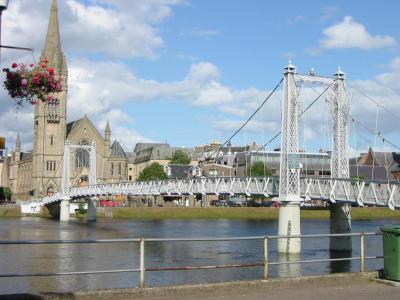
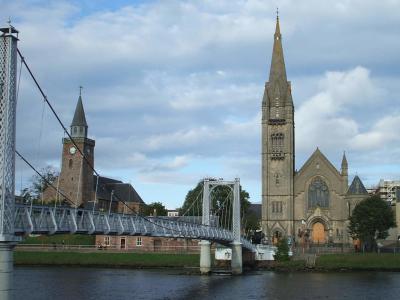
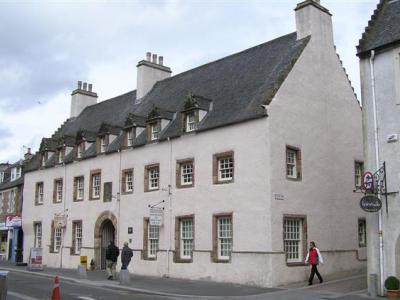
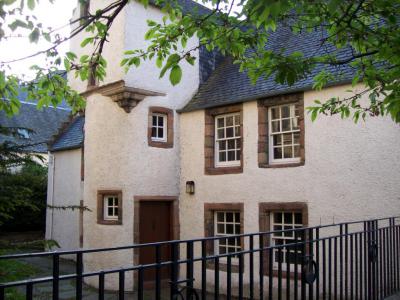
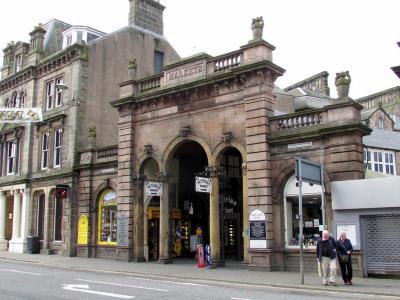
Walking Tours in Inverness, Scotland

Create Your Own Walk in Inverness
Creating your own self-guided walk in Inverness is easy and fun. Choose the city attractions that you want to see and a walk route map will be created just for you. You can even set your hotel as the start point of the walk.
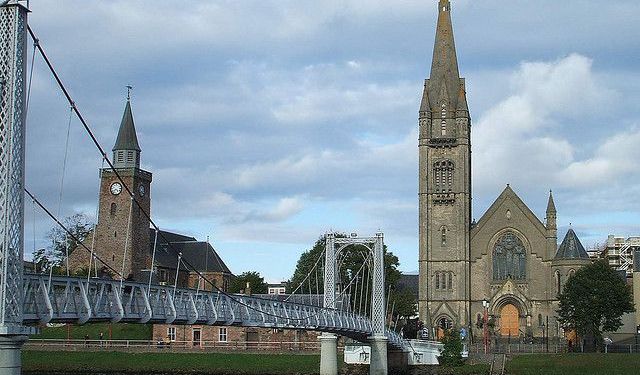
Explore Inverness' Historical Buildings on Foot
Inverness, a city established in the 12th century, boasts an array of historical architecture reflecting its rich and often tumultuous past. Many of its centuries-old buildings are situated along the banks of the River Ness and blend effortlessly with the surrounding landscape.
Undoubtedly, prime among these is the Inverness Castle, perched majestically atop a hill overlooking the city.... view more
Tour Duration: 2 Hour(s)
Travel Distance: 2.0 Km or 1.2 Miles
Undoubtedly, prime among these is the Inverness Castle, perched majestically atop a hill overlooking the city.... view more
Tour Duration: 2 Hour(s)
Travel Distance: 2.0 Km or 1.2 Miles
The Most Popular Cities
/ view all