

Lotus Pond Walking Tour (Self Guided), Kaohsiung
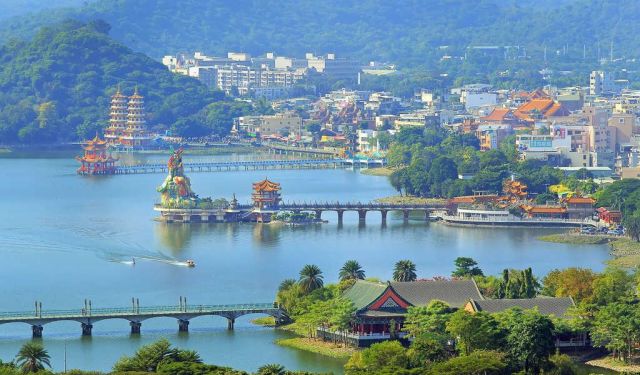
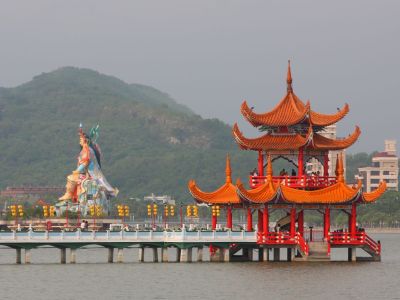
They say that once, on a quiet day by Kaohsiung’s Lotus Pond, the Goddess of Mercy appeared in the clouds, riding a dragon above the water. The vision so impressed locals that they built temples and shrines to honor her presence.
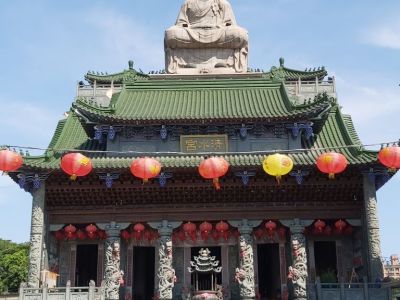
That is only one of the reasons why Lotus Pond is today one of southern Taiwan’s most photographed landmarks. Created in 1951, the pond was envisioned both as a reservoir to improve water management and as a landscaped park that could serve the growing population in Zuoying District. Over the decades, it started drawing visitors for its mix of temples, pagodas, and seasonal lotus blossoms that give the pond its name.
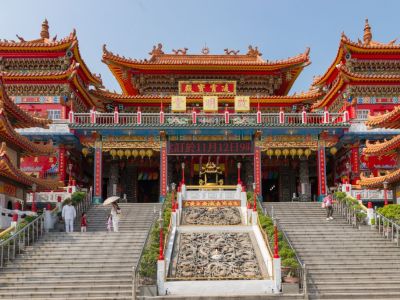
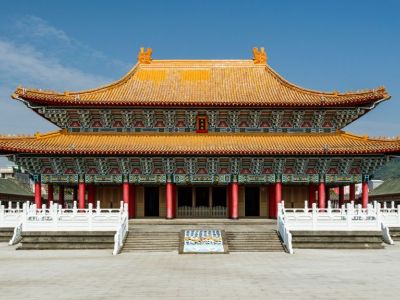
The area around Zuoying had long been tied to religion and settlement. As early as the 17th century, when Chinese migrants from Fujian province began arriving in Taiwan, they brought with them traditions of temple building and veneration of deities like Confucius, Guandi-the god of war-and Mazu, the sea goddess. Many of these shrines were rebuilt or relocated to the shores of the pond after its construction, turning the artificial lake into a stage where centuries-old traditions could adapt to a modern setting.
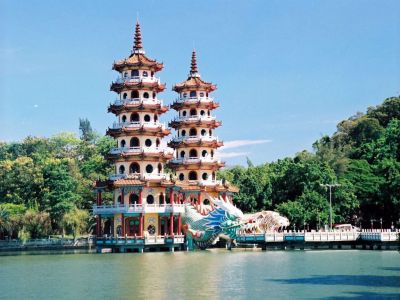
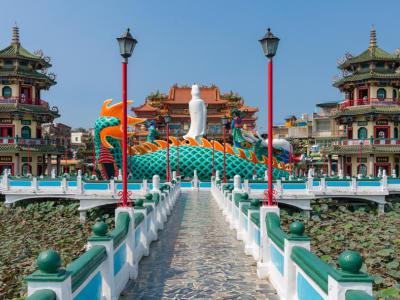
One of the most famous additions came in 1976, when the Dragon and Tiger Pagodas were completed. The twin seven-story towers are entered through the gaping jaws of a dragon and exited through those of a tiger, a ritual said to transform misfortune into good luck. Inside, walls are covered with paintings and carvings of gods, heroes, and scenes from Chinese folklore, turning the towers into a kind of open-air storybook of cultural memory.
The pond’s name comes from the lotus, a flower deeply associated with purity and renewal in Chinese culture. Every summer, the water surface bursts with pink and white blossoms, creating a true spectacle. Assisting this annual event are families, cyclists, and vendors, who add priceless lively charm to the area.
Lotus Pond may have been engineered in the 20th century, but walking its shores feels timeless. Here, dragons and tigers promise luck, temples echo with centuries of devotion, and lotus blossoms drift like living symbols of renewal.
That is only one of the reasons why Lotus Pond is today one of southern Taiwan’s most photographed landmarks. Created in 1951, the pond was envisioned both as a reservoir to improve water management and as a landscaped park that could serve the growing population in Zuoying District. Over the decades, it started drawing visitors for its mix of temples, pagodas, and seasonal lotus blossoms that give the pond its name.
The area around Zuoying had long been tied to religion and settlement. As early as the 17th century, when Chinese migrants from Fujian province began arriving in Taiwan, they brought with them traditions of temple building and veneration of deities like Confucius, Guandi-the god of war-and Mazu, the sea goddess. Many of these shrines were rebuilt or relocated to the shores of the pond after its construction, turning the artificial lake into a stage where centuries-old traditions could adapt to a modern setting.
One of the most famous additions came in 1976, when the Dragon and Tiger Pagodas were completed. The twin seven-story towers are entered through the gaping jaws of a dragon and exited through those of a tiger, a ritual said to transform misfortune into good luck. Inside, walls are covered with paintings and carvings of gods, heroes, and scenes from Chinese folklore, turning the towers into a kind of open-air storybook of cultural memory.
The pond’s name comes from the lotus, a flower deeply associated with purity and renewal in Chinese culture. Every summer, the water surface bursts with pink and white blossoms, creating a true spectacle. Assisting this annual event are families, cyclists, and vendors, who add priceless lively charm to the area.
Lotus Pond may have been engineered in the 20th century, but walking its shores feels timeless. Here, dragons and tigers promise luck, temples echo with centuries of devotion, and lotus blossoms drift like living symbols of renewal.
How it works: Download the app "GPSmyCity: Walks in 1K+ Cities" from Apple App Store or Google Play Store to your mobile phone or tablet. The app turns your mobile device into a personal tour guide and its built-in GPS navigation functions guide you from one tour stop to next. The app works offline, so no data plan is needed when traveling abroad.
Download The GPSmyCity App



Lotus Pond Walking Tour Map
Guide Name: Lotus Pond Walking Tour
Guide Location: Taiwan » Kaohsiung (See other walking tours in Kaohsiung)
Guide Type: Self-guided Walking Tour (Sightseeing)
Tour Duration: 2 Hours
Travel Distance: 3.5 Km or 2.2 Miles
Tour Best Suited For: In-depth exploration
Guide Location: Taiwan » Kaohsiung (See other walking tours in Kaohsiung)
Guide Type: Self-guided Walking Tour (Sightseeing)
Tour Duration: 2 Hours
Travel Distance: 3.5 Km or 2.2 Miles
Tour Best Suited For: In-depth exploration
Sights Featured in This Walk
Walking Tours in Kaohsiung, Taiwan

Create Your Own Walk in Kaohsiung
Creating your own self-guided walk in Kaohsiung is easy and fun. Choose the city attractions that you want to see and a walk route map will be created just for you. You can even set your hotel as the start point of the walk.

Kaohsiung Introduction Walking Tour
Kaohsiung didn’t start as Taiwan’s southern powerhouse. Its first name, “Takau,” came from the Makatau people, who lived off fishing, hunting, and small-scale farming in a land once described simply as a bamboo forest. Chinese settlers under the Ming and Qing dynasties kept the name, bending the pronunciation to their tongues. Then in 1895, Japan claimed Taiwan and gave the place a new... view more
Tour Duration: 2 Hours
Travel Distance: 4.4 Km or 2.7 Miles
Tour Duration: 2 Hours
Travel Distance: 4.4 Km or 2.7 Miles
City Walks Overview
