

Audio Guide: Ottawa Downtown Walking Tour (Self Guided), Ottawa
Perched on the banks of the Ottawa River, the Canadian capital has story that began long before Parliament’s iconic Gothic towers pierced the skyline. For thousands of years, this land was home to the Algonquin Anishinaabe people, whose traditional territory stretched along the river’s length. The word “Ottawa” itself comes from adawe, meaning “to trade,” a nod to the waterway’s ancient role as a lifeline for commerce and cultural exchange. Canoes once glided past these shores carrying furs, food, and stories - long before European boots ever touched them.
By the early 1800s, the British saw the river not only as a trade artery but as a strategic link in protecting their new colony. After the War of 1812, concerns about potential American incursions prompted the construction of the Rideau Canal - today a UNESCO World Heritage Site, but originally designed as a military supply route. In 1826, a small settlement called Bytown (named after Colonel John By, who oversaw the construction of the canal) began to grow around the project. Its lumber industry boomed, sending timber downriver around the world, and the once-quiet port transformed into a bustling frontier town - complete with the lively (and sometimes rowdy) ByWard Market.
In 1857, Queen Victoria settled a heated rivalry between Toronto, Montreal, Kingston, and Quebec City by picking Bytown (soon renamed Ottawa) as the capital of the Province of Canada. Her choice seemed unexpected at the time: it was smaller, relatively remote, and perched near the border of Ontario and Quebec. But those very qualities - central location, bilingual culture and distance from hostile shores, made it ideal for a young country determined to unify and protect itself.
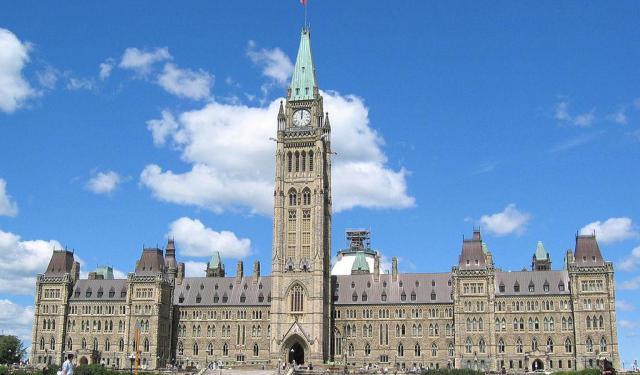
The decades that followed saw Ottawa evolve into the beating heart of Canadian politics. Parliament Hill became its symbolic center, and was rebuilt in grand Gothic Revival style after a devastating fire in 1916. Yet the city never lost its connection to the outdoors - green spaces, waterways, and cycling paths weave through its neighborhoods, while winter transforms the Rideau Canal into the world’s largest skating rink. Ottawa is also known for its thriving tech sector (earning the nickname “Silicon Valley North”) and its vibrant festival scene, from the floral explosion of the Canadian Tulip Festival to the frosty spectacle of Winterlude.
Famous figures like Prime Minister Sir Wilfrid Laurier, Nobel Peace Prize-winner Lester B. Pearson, and even hockey legend Daniel Alfredsson have all left their mark here. But Ottawa’s charm lies just as much in its markets, museums, and the hum of life along its riverside promenades.
This self-guided walking tour invites you to follow those threads of history, culture, and charm - through grand boulevards, historic landmarks, and tucked-away corners where the capital’s true spirit quietly shines.
By the early 1800s, the British saw the river not only as a trade artery but as a strategic link in protecting their new colony. After the War of 1812, concerns about potential American incursions prompted the construction of the Rideau Canal - today a UNESCO World Heritage Site, but originally designed as a military supply route. In 1826, a small settlement called Bytown (named after Colonel John By, who oversaw the construction of the canal) began to grow around the project. Its lumber industry boomed, sending timber downriver around the world, and the once-quiet port transformed into a bustling frontier town - complete with the lively (and sometimes rowdy) ByWard Market.
In 1857, Queen Victoria settled a heated rivalry between Toronto, Montreal, Kingston, and Quebec City by picking Bytown (soon renamed Ottawa) as the capital of the Province of Canada. Her choice seemed unexpected at the time: it was smaller, relatively remote, and perched near the border of Ontario and Quebec. But those very qualities - central location, bilingual culture and distance from hostile shores, made it ideal for a young country determined to unify and protect itself.
The decades that followed saw Ottawa evolve into the beating heart of Canadian politics. Parliament Hill became its symbolic center, and was rebuilt in grand Gothic Revival style after a devastating fire in 1916. Yet the city never lost its connection to the outdoors - green spaces, waterways, and cycling paths weave through its neighborhoods, while winter transforms the Rideau Canal into the world’s largest skating rink. Ottawa is also known for its thriving tech sector (earning the nickname “Silicon Valley North”) and its vibrant festival scene, from the floral explosion of the Canadian Tulip Festival to the frosty spectacle of Winterlude.
Famous figures like Prime Minister Sir Wilfrid Laurier, Nobel Peace Prize-winner Lester B. Pearson, and even hockey legend Daniel Alfredsson have all left their mark here. But Ottawa’s charm lies just as much in its markets, museums, and the hum of life along its riverside promenades.
This self-guided walking tour invites you to follow those threads of history, culture, and charm - through grand boulevards, historic landmarks, and tucked-away corners where the capital’s true spirit quietly shines.
How it works: Download the app "GPSmyCity: Walks in 1K+ Cities" from Apple App Store or Google Play Store to your mobile phone or tablet. The app turns your mobile device into a personal tour guide and its built-in GPS navigation functions guide you from one tour stop to next. The app works offline, so no data plan is needed when traveling abroad.
Download The GPSmyCity App



Ottawa Downtown Walking Tour Map
Guide Name: Ottawa Downtown Walking Tour
Guide Location: Canada » Ottawa (See other walking tours in Ottawa)
Guide Type: Self-guided Walking Tour (Sightseeing)
Tour Duration: 2 Hours
Travel Distance: 2.8 Km or 1.7 Miles
Tour Best Suited For: First-time visit
Guide Location: Canada » Ottawa (See other walking tours in Ottawa)
Guide Type: Self-guided Walking Tour (Sightseeing)
Tour Duration: 2 Hours
Travel Distance: 2.8 Km or 1.7 Miles
Tour Best Suited For: First-time visit
Sights Featured in This Walk
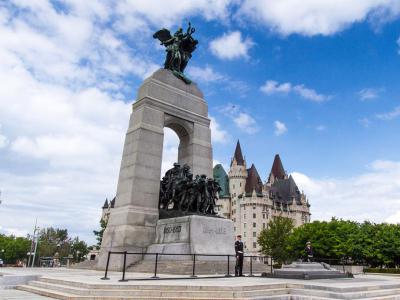
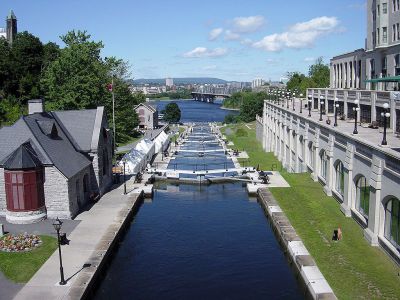
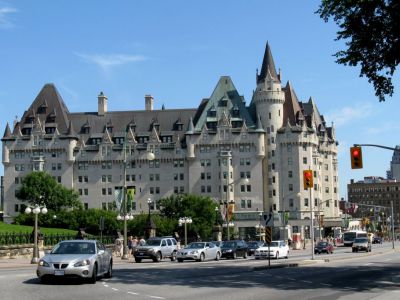
7
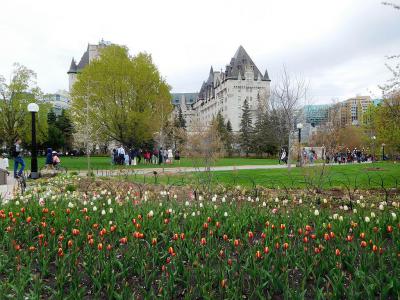
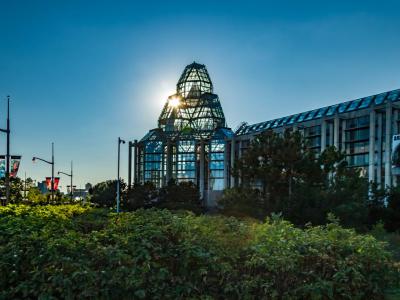
7) Major's Hill Park (must see)

10
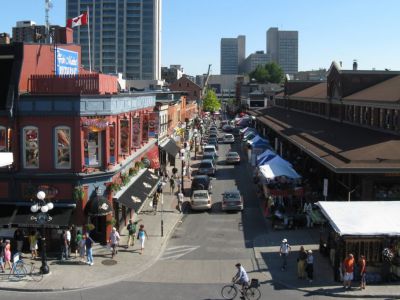
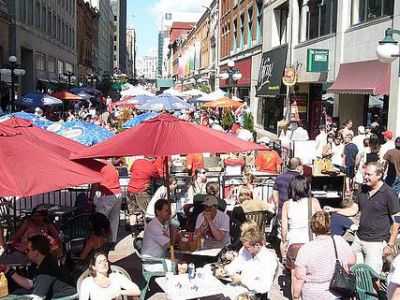
10) ByWard Market (must see)
Walking Tours in Ottawa, Canada

Create Your Own Walk in Ottawa
Creating your own self-guided walk in Ottawa is easy and fun. Choose the city attractions that you want to see and a walk route map will be created just for you. You can even set your hotel as the start point of the walk.
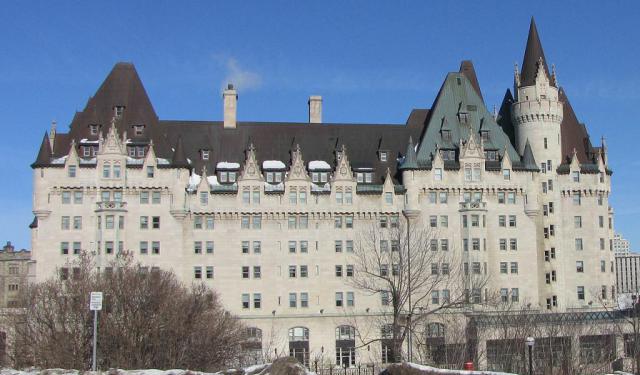
Historical Buildings Walking Tour
The architecture of Ottawa - formalistic and functional, for the most part - is marked by the city's role as the national capital of Canada. As such, it represents a mix of styles, varying considerably based on the era of construction of any particular object, and reflects the nation's heritage and political significance.
Centermost among these structures is the Parliament... view more
Tour Duration: 1 Hour
Travel Distance: 1.9 Km or 1.2 Miles
Centermost among these structures is the Parliament... view more
Tour Duration: 1 Hour
Travel Distance: 1.9 Km or 1.2 Miles
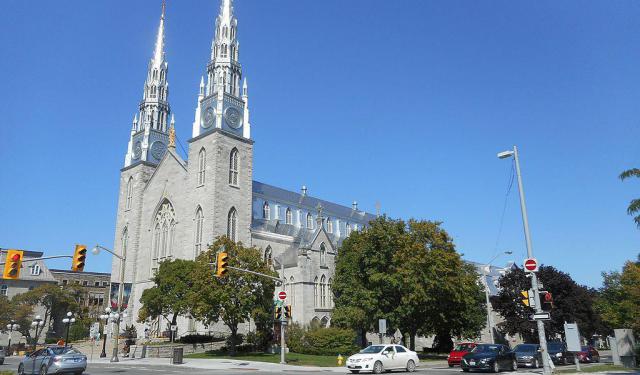
Ottawa's Historical Churches Walking Tour
The city of Ottawa has a number of notable religious sites fit to spark interest in both ardent believers and those keen on ecclesiastical architecture. With most of the churches located in the downtown area or nearby, one can visit these locations without trouble.
The Notre Dame Cathedral Basilica, a splendid Gothic Revival masterpiece, is a centerpiece of Ottawa's spiritual landscape.... view more
Tour Duration: 2 Hours
Travel Distance: 3.2 Km or 2 Miles
The Notre Dame Cathedral Basilica, a splendid Gothic Revival masterpiece, is a centerpiece of Ottawa's spiritual landscape.... view more
Tour Duration: 2 Hours
Travel Distance: 3.2 Km or 2 Miles
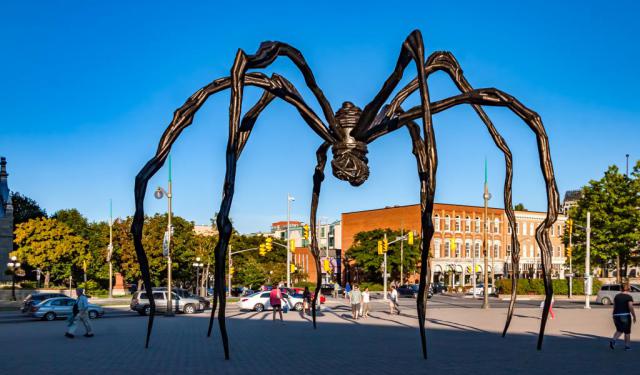
Statues and Sculptures Walk
As a cultural city, Ottawa abounds in monuments and statues of various sorts. In fact, there are so many of them that the locals, accustomed to their presence, jokingly claim they hardly notice them at all. Still, these artistic creations serve as visual storytellers, sharing tales of courage, peacekeeping, and commemoration.
The Maman Statue, a prominent sculpture located outside the National... view more
Tour Duration: 1 Hour
Travel Distance: 1.4 Km or 0.9 Miles
The Maman Statue, a prominent sculpture located outside the National... view more
Tour Duration: 1 Hour
Travel Distance: 1.4 Km or 0.9 Miles
The Most Popular Cities
/ view all