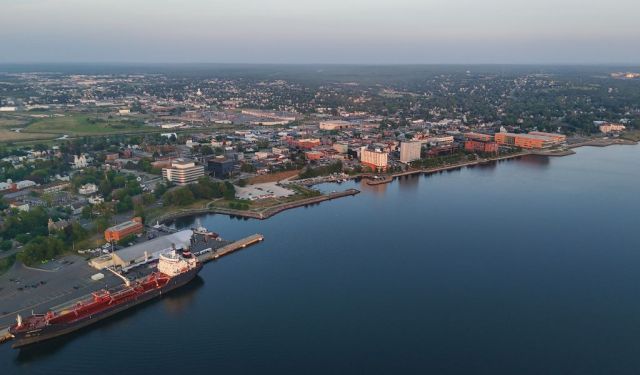


Sydney Introduction Walking Tour (Self Guided), Sydney
The local pier assembled a truly international neighborhood in the city. West Indian, Jewish, Italian, Eastern European, Syrian/Lebanese communities gave life to Sydney's waterfront districts. Seems pretty normal, doesn't it? Wrong. We're talking about Australian Sydney's little brother.
Sydney, Nova Scotia, was founded in 1785 by British authorities as a haven for Loyalists fleeing the American Revolution. The settlement was laid out under the guidance of Captain Des Barres, and was named in honor of Thomas Townshend, 1st Viscount Sydney, who was then Britain’s Secretary of State.
From its founding, Sydney held prominence: when Cape Breton Island was separated from Nova Scotia in 1784 as a distinct colony for Loyalists, Sydney was chosen as its capital. However, Cape Breton’s separate colonial administration was short-lived: in 1820 the island was reunited with Nova Scotia, and Sydney lost the status of colonial capital, becoming instead a regional administrative and commercial centre.
Throughout the 19th century, Sydney remained modest in size but gradually diversified via trade, migration, and resource development. The arrival of Scottish immigrants boosted its population, and later waves from Eastern Europe added to its cultural mix. By the turn of the 20th century, Sydney was evolving industrially: coal and steel became central pillars of its economy. The Sydney Steel Corporation, along with associated mining operations, operated for nearly a century, deeply shaping the region’s identity and economy.
However, by the late 20th century, the decline of coal and steel exposed Sydney to economic hardship and demographic shifts. The site of the former steel works later became infamous as the “Sydney Tar Ponds,” a heavily polluted estuary requiring one of Canada’s largest environmental cleanup efforts. That clean-up was completed in 2013, and the area has since been transformed into Open Hearth Park.
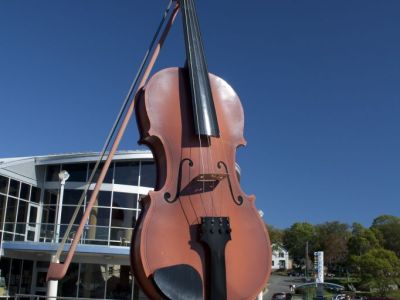
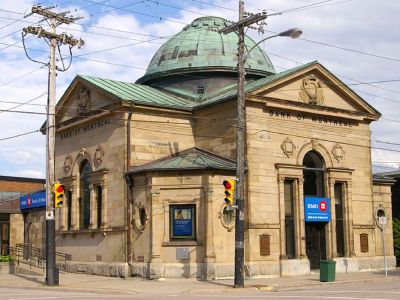
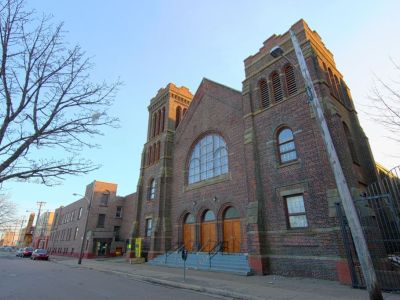
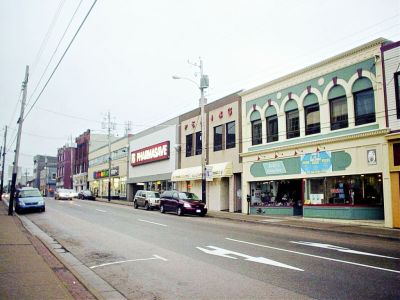
Strolling downtown Sydney, you’ll find a warm blend of heritage and waterfront charm. Victorian and early 20th-century buildings-some now museums, shops, cafés-line Charlotte street. On one of its interceptions, the Bank of Montreal building stands as a stately neoclassical landmark. A few streets away, the old St. Patrick’s Church offers Gothic Revival character. Along the harbor-front boardwalk, buskers, cruise ships, and the world’s largest fiddle bring life. Yes, you heard that right, a fiddle.
Even though the "little brother" is found in the opposite corner of the world, he has got a knack at quietly triumphing. Far away from the limelight, Sydney kept its activity true to itself. Get your translator ready and explore the multinationalism of Sydney.
Sydney, Nova Scotia, was founded in 1785 by British authorities as a haven for Loyalists fleeing the American Revolution. The settlement was laid out under the guidance of Captain Des Barres, and was named in honor of Thomas Townshend, 1st Viscount Sydney, who was then Britain’s Secretary of State.
From its founding, Sydney held prominence: when Cape Breton Island was separated from Nova Scotia in 1784 as a distinct colony for Loyalists, Sydney was chosen as its capital. However, Cape Breton’s separate colonial administration was short-lived: in 1820 the island was reunited with Nova Scotia, and Sydney lost the status of colonial capital, becoming instead a regional administrative and commercial centre.
Throughout the 19th century, Sydney remained modest in size but gradually diversified via trade, migration, and resource development. The arrival of Scottish immigrants boosted its population, and later waves from Eastern Europe added to its cultural mix. By the turn of the 20th century, Sydney was evolving industrially: coal and steel became central pillars of its economy. The Sydney Steel Corporation, along with associated mining operations, operated for nearly a century, deeply shaping the region’s identity and economy.
However, by the late 20th century, the decline of coal and steel exposed Sydney to economic hardship and demographic shifts. The site of the former steel works later became infamous as the “Sydney Tar Ponds,” a heavily polluted estuary requiring one of Canada’s largest environmental cleanup efforts. That clean-up was completed in 2013, and the area has since been transformed into Open Hearth Park.
Strolling downtown Sydney, you’ll find a warm blend of heritage and waterfront charm. Victorian and early 20th-century buildings-some now museums, shops, cafés-line Charlotte street. On one of its interceptions, the Bank of Montreal building stands as a stately neoclassical landmark. A few streets away, the old St. Patrick’s Church offers Gothic Revival character. Along the harbor-front boardwalk, buskers, cruise ships, and the world’s largest fiddle bring life. Yes, you heard that right, a fiddle.
Even though the "little brother" is found in the opposite corner of the world, he has got a knack at quietly triumphing. Far away from the limelight, Sydney kept its activity true to itself. Get your translator ready and explore the multinationalism of Sydney.
How it works: Download the app "GPSmyCity: Walks in 1K+ Cities" from Apple App Store or Google Play Store to your mobile phone or tablet. The app turns your mobile device into a personal tour guide and its built-in GPS navigation functions guide you from one tour stop to next. The app works offline, so no data plan is needed when traveling abroad.
Download The GPSmyCity App



Sydney Introduction Walking Tour Map
Guide Name: Sydney Introduction Walking Tour
Guide Location: Canada » Sydney (See other walking tours in Sydney)
Guide Type: Self-guided Walking Tour (Sightseeing)
Tour Duration: 1 Hour
Travel Distance: 1.5 Km or 0.9 Miles
Tour Best Suited For: First-time visit
Guide Location: Canada » Sydney (See other walking tours in Sydney)
Guide Type: Self-guided Walking Tour (Sightseeing)
Tour Duration: 1 Hour
Travel Distance: 1.5 Km or 0.9 Miles
Tour Best Suited For: First-time visit
Sights Featured in This Walk




City Walks Overview
