

Busan Introduction Walking Tour (Self Guided), Busan
Nestled along the southeastern coast of South Korea, the vibrant metropolis of Busan is teeming with tradition, culture, and modernity. During the summer months, the city becomes a magnet for tourists seeking its pristine beaches, where they can bask in the sun and enjoy aquatic activities. However, Busan offers more than just coastal delights. As a coastal hub, it presents an array of attractions year-round, catering to visitors of all preferences and interests.
The name "Busan" (previously spelled "Pusan") originates from the Sino-Korean term for "Cauldron Mountain," associated with Mount Hwangryeong, west of the city center.
From the 15th century, Busan was designated by the Korean government as a trading port with Japan, allowing Japanese settlement. Despite declines in other Japanese settlements on the Korean peninsula, Busan persisted until Japan's invasion in 1592. In 1876, it became Korea's first international port, and during Japanese rule, Busan flourished as a commercial hub.
During the Korean War, Busan was one of only two cities in South Korea not seized by the North Korean army initially, leading to its becoming a refugee camp. Remaining under South Korean control throughout the conflict, Busan temporarily acted as the country's de facto capital, with UN troops establishing the defensive Pusan Perimeter. Since then, Busan has developed into a resilient and self-governing municipal center, showcasing a strong urban character.
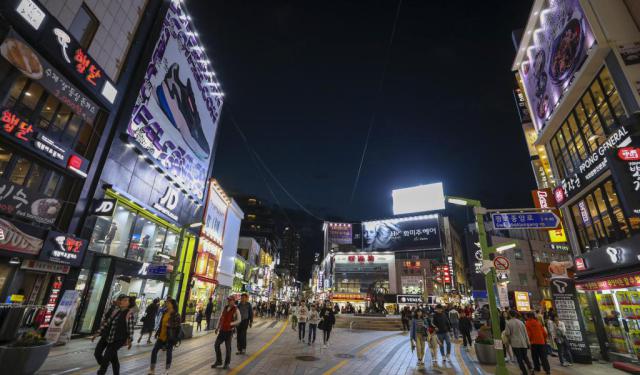
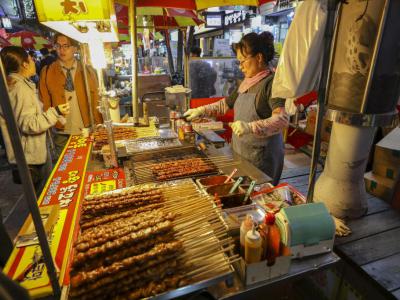
One of the city's iconic landmarks is BIFF Square, renowned for its association with the Busan International Film Festival, showcasing the city's significance in the global cinematic landscape. Nearby, Changseon-dong Food Alley offers a tantalizing array of culinary delights, inviting visitors to indulge in authentic Korean flavors.
Nature enthusiasts will find solace in Yongdusan Park, home to the iconic Busan Tower, offering panoramic views of the cityscape and the azure coastline beyond. Meanwhile, fashion aficionados can explore the trendy boutiques lining Gwangbokro Fashion Street, showcasing the latest trends in Korean fashion.
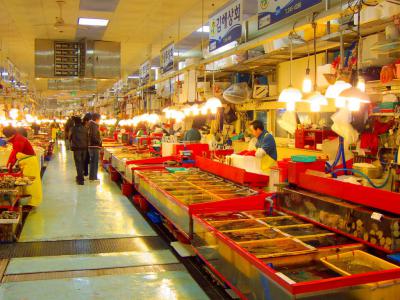
To complete your visit to Busan, take a stroll through Jagalchi Market, the largest seafood market in the country.
As you explore the myriad facets of Busan, you'll uncover an energetic blend of sights and sounds. So, put on your walking shoes and treat yourself to an unforgettable journey through the heart of this dynamic city!
The name "Busan" (previously spelled "Pusan") originates from the Sino-Korean term for "Cauldron Mountain," associated with Mount Hwangryeong, west of the city center.
From the 15th century, Busan was designated by the Korean government as a trading port with Japan, allowing Japanese settlement. Despite declines in other Japanese settlements on the Korean peninsula, Busan persisted until Japan's invasion in 1592. In 1876, it became Korea's first international port, and during Japanese rule, Busan flourished as a commercial hub.
During the Korean War, Busan was one of only two cities in South Korea not seized by the North Korean army initially, leading to its becoming a refugee camp. Remaining under South Korean control throughout the conflict, Busan temporarily acted as the country's de facto capital, with UN troops establishing the defensive Pusan Perimeter. Since then, Busan has developed into a resilient and self-governing municipal center, showcasing a strong urban character.
One of the city's iconic landmarks is BIFF Square, renowned for its association with the Busan International Film Festival, showcasing the city's significance in the global cinematic landscape. Nearby, Changseon-dong Food Alley offers a tantalizing array of culinary delights, inviting visitors to indulge in authentic Korean flavors.
Nature enthusiasts will find solace in Yongdusan Park, home to the iconic Busan Tower, offering panoramic views of the cityscape and the azure coastline beyond. Meanwhile, fashion aficionados can explore the trendy boutiques lining Gwangbokro Fashion Street, showcasing the latest trends in Korean fashion.
To complete your visit to Busan, take a stroll through Jagalchi Market, the largest seafood market in the country.
As you explore the myriad facets of Busan, you'll uncover an energetic blend of sights and sounds. So, put on your walking shoes and treat yourself to an unforgettable journey through the heart of this dynamic city!
How it works: Download the app "GPSmyCity: Walks in 1K+ Cities" from Apple App Store or Google Play Store to your mobile phone or tablet. The app turns your mobile device into a personal tour guide and its built-in GPS navigation functions guide you from one tour stop to next. The app works offline, so no data plan is needed when traveling abroad.
Download The GPSmyCity App



Busan Introduction Walking Tour Map
Guide Name: Busan Introduction Walking Tour
Guide Location: South Korea » Busan (See other walking tours in Busan)
Guide Type: Self-guided Walking Tour (Sightseeing)
Tour Duration: 1 Hour
Travel Distance: 2.4 Km or 1.5 Miles
Tour Best Suited For: First-time visit
Guide Location: South Korea » Busan (See other walking tours in Busan)
Guide Type: Self-guided Walking Tour (Sightseeing)
Tour Duration: 1 Hour
Travel Distance: 2.4 Km or 1.5 Miles
Tour Best Suited For: First-time visit
Sights Featured in This Walk



City Walks Overview
