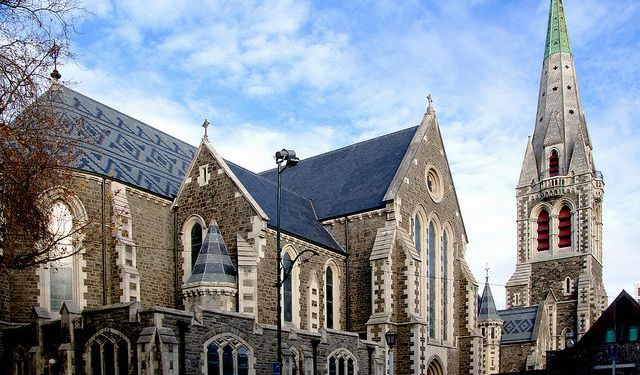


Audio Guide: Christchurch Introduction Walking Tour (Self Guided), Christchurch
Sir John Gorst, a British special commissioner, at the 1906–1907 International Exhibition, looked around Christchurch’s generous green spaces and gave the city a nickname that stuck: the Garden City. More than a century later, the name still fits.
Christchurch is the largest city on New Zealand’s South Island and the main urban center of Canterbury. Long before European settlement, the area around the Avon River was used by as a seasonal food-gathering place. The Māori name is associated with a Ngāi Tahu chief, and originally referred more precisely to a site near the river rather than the whole modern city.
The English name Christchurch came through the Canterbury Association, a London-based organization founded in 1848 to create a planned Church of England settlement in New Zealand. The association chose “Canterbury” for the wider settlement, while the capital was named Christchurch.
European settlement began in earnest in 1850, when the first Canterbury Association ships arrived at Lyttelton Harbor. The settlers were later remembered as the “Canterbury Pilgrims”. The new settlement was laid out with a strong sense of order, reflecting the association’s ideal of transplanting an English-style society, complete with churches, schools, public reserves, and class distinctions.
In 1856, Christchurch became New Zealand’s first city by royal charter. Its early growth was closely tied to the surrounding Canterbury Plains, where sheep farming, grain production, and later refrigerated exports helped generate wealth. The city gained a reputation for gardens, stone buildings, Anglican institutions, and an English civic character.
The 20th century brought suburban expansion, industry, universities, cultural institutions, and a more diverse population. Christchurch also became known for its parks, arts scene, and role as a gateway to Antarctica. Its modern history was sharply marked by the devastating earthquakes of 2010 and 2011, especially the February 2011 quake, which caused major loss of life and destroyed or damaged much of the central city.
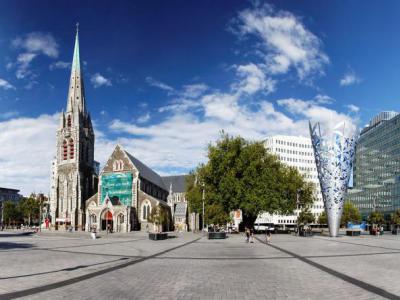
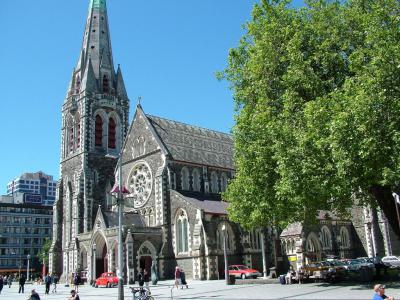
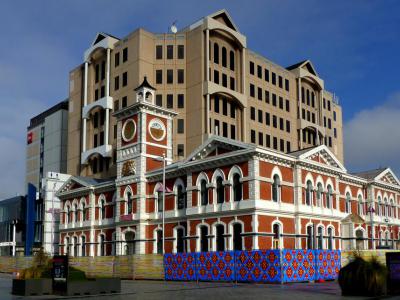
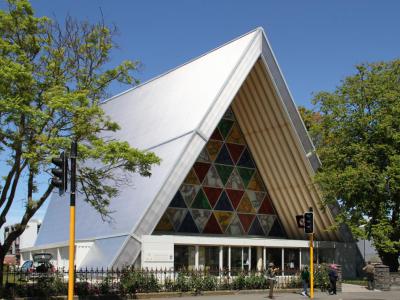
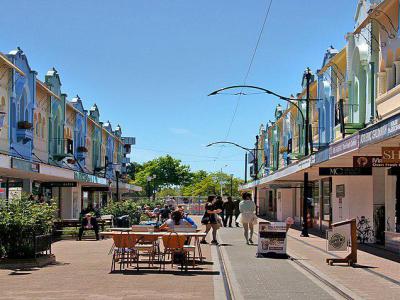
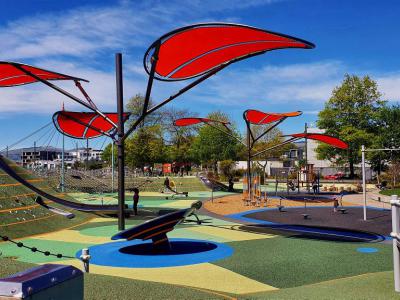
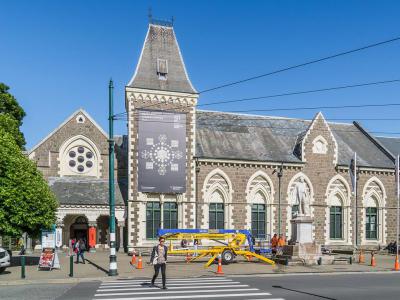
In Christchurch city center, visitors encounter a mix of heritage, recovery, culture, and open green space. Cathedral Square remains the symbolic heart, shaped by the damaged ChristChurch Cathedral and the city’s ongoing renewal. The Cardboard Cathedral reflects post-earthquake creativity, while Quake City explains the disaster and rebuilding story. Margaret Mahy Playground adds color and family energy, Canterbury Museum offers cultural depth, and the Christchurch Botanic Gardens bring calm with lawns, trees, and seasonal planting.
So, the “Garden City” Sir John Gorst noticed in the early 20th century is still here — only now its green spaces share the stage with bold new architecture, earthquake memory, and signs of renewal.
Christchurch is the largest city on New Zealand’s South Island and the main urban center of Canterbury. Long before European settlement, the area around the Avon River was used by as a seasonal food-gathering place. The Māori name is associated with a Ngāi Tahu chief, and originally referred more precisely to a site near the river rather than the whole modern city.
The English name Christchurch came through the Canterbury Association, a London-based organization founded in 1848 to create a planned Church of England settlement in New Zealand. The association chose “Canterbury” for the wider settlement, while the capital was named Christchurch.
European settlement began in earnest in 1850, when the first Canterbury Association ships arrived at Lyttelton Harbor. The settlers were later remembered as the “Canterbury Pilgrims”. The new settlement was laid out with a strong sense of order, reflecting the association’s ideal of transplanting an English-style society, complete with churches, schools, public reserves, and class distinctions.
In 1856, Christchurch became New Zealand’s first city by royal charter. Its early growth was closely tied to the surrounding Canterbury Plains, where sheep farming, grain production, and later refrigerated exports helped generate wealth. The city gained a reputation for gardens, stone buildings, Anglican institutions, and an English civic character.
The 20th century brought suburban expansion, industry, universities, cultural institutions, and a more diverse population. Christchurch also became known for its parks, arts scene, and role as a gateway to Antarctica. Its modern history was sharply marked by the devastating earthquakes of 2010 and 2011, especially the February 2011 quake, which caused major loss of life and destroyed or damaged much of the central city.
In Christchurch city center, visitors encounter a mix of heritage, recovery, culture, and open green space. Cathedral Square remains the symbolic heart, shaped by the damaged ChristChurch Cathedral and the city’s ongoing renewal. The Cardboard Cathedral reflects post-earthquake creativity, while Quake City explains the disaster and rebuilding story. Margaret Mahy Playground adds color and family energy, Canterbury Museum offers cultural depth, and the Christchurch Botanic Gardens bring calm with lawns, trees, and seasonal planting.
So, the “Garden City” Sir John Gorst noticed in the early 20th century is still here — only now its green spaces share the stage with bold new architecture, earthquake memory, and signs of renewal.
How it works: Download the app "GPSmyCity: Walks in 1K+ Cities" from Apple App Store or Google Play Store to your mobile phone or tablet. The app turns your mobile device into a personal tour guide and its built-in GPS navigation functions guide you from one tour stop to next. The app works offline, so no data plan is needed when traveling abroad.
Download The GPSmyCity App



Christchurch Introduction Walking Tour Map
Guide Name: Christchurch Introduction Walking Tour
Guide Location: New Zealand » Christchurch (See other walking tours in Christchurch)
Guide Type: Self-guided Walking Tour (Sightseeing)
Tour Duration: 2 Hour(s)
Travel Distance: 3.8 Km or 2.4 Miles
Guide Location: New Zealand » Christchurch (See other walking tours in Christchurch)
Guide Type: Self-guided Walking Tour (Sightseeing)
Tour Duration: 2 Hour(s)
Travel Distance: 3.8 Km or 2.4 Miles
Sights Featured in This Walk

11) Quake City (must see)
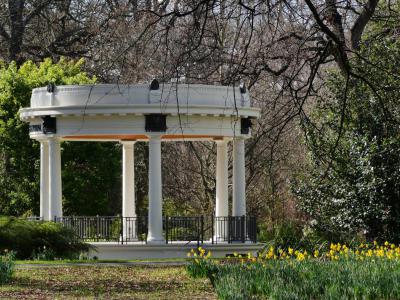
Walking Tours in Christchurch, New Zealand

Create Your Own Walk in Christchurch
Creating your own self-guided walk in Christchurch is easy and fun. Choose the city attractions that you want to see and a walk route map will be created just for you. You can even set your hotel as the start point of the walk.
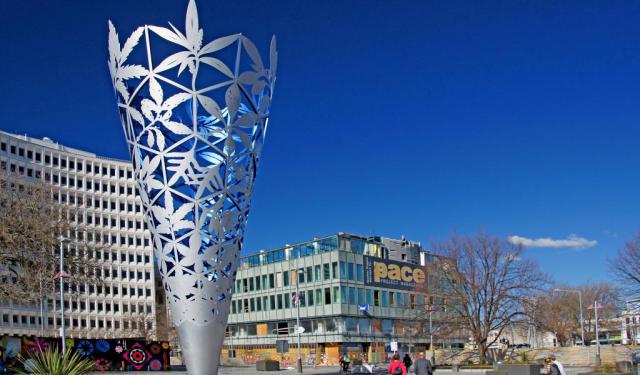
Statues and Memorials Tour
Although Christchurch is not very large, it has a wealth of public art heritage. Although ravaged by a powerful earthquake in 2011, which caused severe damage to many local attractions, Christchurch nonetheless has retained much of its charm and has a lot to offer visitors in terms of sightseeing. Indeed, there is no shortage of beautiful buildings, parks, gardens and other places of interest... view more
Tour Duration: 1 Hour(s)
Travel Distance: 1.4 Km or 0.9 Miles
Tour Duration: 1 Hour(s)
Travel Distance: 1.4 Km or 0.9 Miles
The Most Popular Cities
/ view all