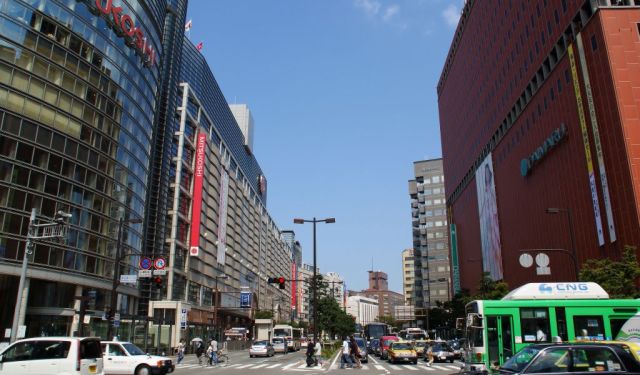


Fukuoka Introduction Walking Tour (Self Guided), Fukuoka
Way back in 1241, people on the island of Kyushu believed the best way to chase away a plague was to outnumber the disease. So they stormed the streets, carrying a monk above their heads. Fukuoka is the beating heart of this tradition.
Fukuoka, today the largest city on Japan’s southern island of Kyushu, has long been shaped by its place on the edge of Japan, looking across the sea toward Korea and China. Its very name carries a sense of strategy: when the Kuroda clan built their castle in the 17th century, they called it Fukuoka, or “fortunate hill.” At the same time, the neighboring merchant town was known as Hakata, a name with much older origins tied to centuries of trade with the Korea and China. These twin identities-samurai stronghold and bustling port-grew side by side, and in 1889 they were merged into one city.
Long before the castle walls rose, this coast was already a contact zone. As early as the 7th century, Dazaifu, a government outpost nearby, managed diplomacy and defense for the Japanese state. The Mongol invasions of the 13th century brought Fukuoka’s bay into history books: in 1274 and 1281 fleets of Mongol ships attempted to land at Hakata. Both times, Japan’s defenders resisted, and fierce storms-later remembered as the “divine winds”-scattered much of the invading force. Those events gave Hakata a legendary role in national memory.
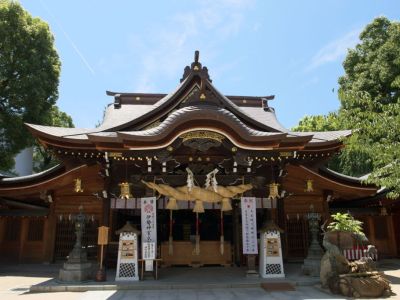
From the medieval era onward, Hakata thrived as a commercial hub. Merchants here traded with Korea and China, and their influence shaped the local culture. The area became known for crafts, festivals, and neighborhood guilds. One of the most enduring traditions centers on the Kushida Shrine, founded in the 8th century, which became the guardian shrine of Hakata. It remains the heart of the city’s famous Gion Yamakasa festival, a summer event where giant floats are hauled through the streets at remarkable speed-a long leap from the humble beginnings of the aforementioned anti-plague parade.
The Meiji era overthrew the feudal structures and pushed Fukuoka into modernity, with railroads, industry, and administrative reform. By the 20th century, the city was a regional hub, scarred by bombings during World War II but rebuilt quickly afterward. In 1975, the Shinkansen bullet train arrived at Hakata Station, linking Fukuoka directly to Tokyo, and the city surged forward with universities, business, and a lively cultural life. Its reputation grew as Kyushu’s capital of commerce and one of Japan’s most livable cities.
Today, Fukuoka still charges ahead with the same unstoppable energy that once carried a monk through its streets. As you begin your walk, you’ll feel that rhythm in every corner-where shrines and skyscrapers stand side by side, festivals race through the alleys, and the city beats forward, always faster, always alive.
Fukuoka, today the largest city on Japan’s southern island of Kyushu, has long been shaped by its place on the edge of Japan, looking across the sea toward Korea and China. Its very name carries a sense of strategy: when the Kuroda clan built their castle in the 17th century, they called it Fukuoka, or “fortunate hill.” At the same time, the neighboring merchant town was known as Hakata, a name with much older origins tied to centuries of trade with the Korea and China. These twin identities-samurai stronghold and bustling port-grew side by side, and in 1889 they were merged into one city.
Long before the castle walls rose, this coast was already a contact zone. As early as the 7th century, Dazaifu, a government outpost nearby, managed diplomacy and defense for the Japanese state. The Mongol invasions of the 13th century brought Fukuoka’s bay into history books: in 1274 and 1281 fleets of Mongol ships attempted to land at Hakata. Both times, Japan’s defenders resisted, and fierce storms-later remembered as the “divine winds”-scattered much of the invading force. Those events gave Hakata a legendary role in national memory.
From the medieval era onward, Hakata thrived as a commercial hub. Merchants here traded with Korea and China, and their influence shaped the local culture. The area became known for crafts, festivals, and neighborhood guilds. One of the most enduring traditions centers on the Kushida Shrine, founded in the 8th century, which became the guardian shrine of Hakata. It remains the heart of the city’s famous Gion Yamakasa festival, a summer event where giant floats are hauled through the streets at remarkable speed-a long leap from the humble beginnings of the aforementioned anti-plague parade.
The Meiji era overthrew the feudal structures and pushed Fukuoka into modernity, with railroads, industry, and administrative reform. By the 20th century, the city was a regional hub, scarred by bombings during World War II but rebuilt quickly afterward. In 1975, the Shinkansen bullet train arrived at Hakata Station, linking Fukuoka directly to Tokyo, and the city surged forward with universities, business, and a lively cultural life. Its reputation grew as Kyushu’s capital of commerce and one of Japan’s most livable cities.
Today, Fukuoka still charges ahead with the same unstoppable energy that once carried a monk through its streets. As you begin your walk, you’ll feel that rhythm in every corner-where shrines and skyscrapers stand side by side, festivals race through the alleys, and the city beats forward, always faster, always alive.
How it works: Download the app "GPSmyCity: Walks in 1K+ Cities" from Apple App Store or Google Play Store to your mobile phone or tablet. The app turns your mobile device into a personal tour guide and its built-in GPS navigation functions guide you from one tour stop to next. The app works offline, so no data plan is needed when traveling abroad.
Download The GPSmyCity App



Fukuoka Introduction Walking Tour Map
Guide Name: Fukuoka Introduction Walking Tour
Guide Location: Japan » Fukuoka (See other walking tours in Fukuoka)
Guide Type: Self-guided Walking Tour (Sightseeing)
Tour Duration: 2 Hour(s)
Travel Distance: 3.3 Km or 2.1 Miles
Guide Location: Japan » Fukuoka (See other walking tours in Fukuoka)
Guide Type: Self-guided Walking Tour (Sightseeing)
Tour Duration: 2 Hour(s)
Travel Distance: 3.3 Km or 2.1 Miles
Sights Featured in This Walk
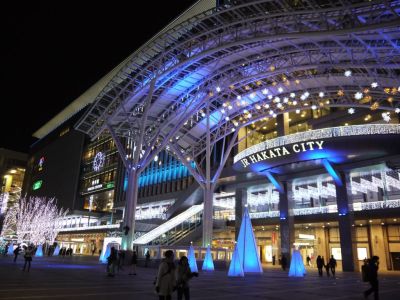
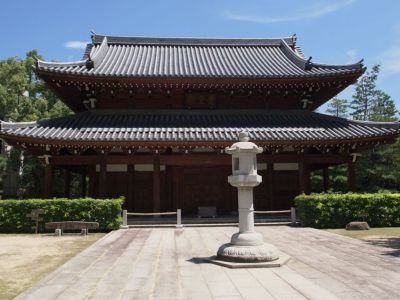
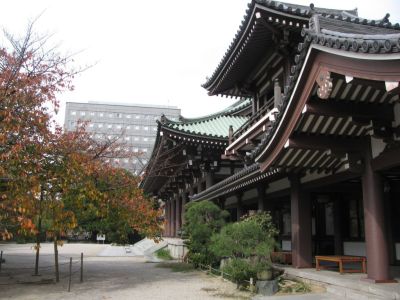
4) Kushida Shrine (must see)
5) Canal City Hakata (must see)
The Most Popular Cities
/ view all