

Audio Guide: Kusadasi Introduction Walking Tour (Self Guided), Kusadasi
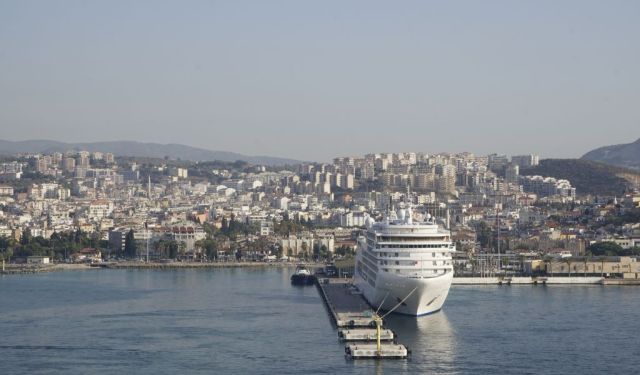
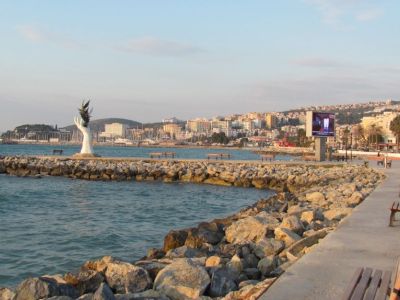
In 1775, English antiquarian Richard Chandler gazed across this bay and described “houses rising one above another, intermixed with minarets, and tall slender cypresses...” That image still captures much of what Kuşadası is today. Perched on Turkey’s Aegean coast, the town has a history shaped by the shifting powers of the eastern Mediterranean. Its name comes from the Turkish words kuş (meaning bird) and ada (meaning island), a reference to the small islet at its harbor that resembles a bird’s head when seen from the sea.
The harbor drew attention long before the Ottomans. For centuries, the region was home to ancient peoples-Lydians, Ionians, Persians, and later Romans and Byzantines-who all valued its natural harbor and fertile hinterland. Its proximity to Ephesus, once the Mediterranean’s major commercial hub, ensured Kuşadası’s longstanding connection to trade, seafaring, and cultural exchange. By the 13th century, Venetian and Genoese traders regularly steered their galleys here, linking Europe and Asia through goods and ideas.
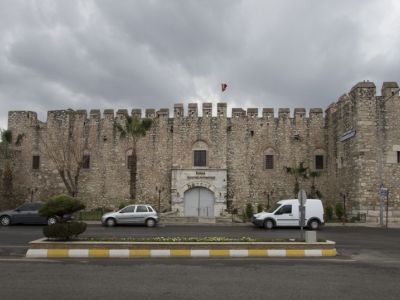
The Ottomans took firm control of the town in the mid-15th century, gradually displacing Genoese and Venetian influence. Under their rule, Kuşadası grew as both a fortified settlement and a thriving port. Anchoring the locally dubbed “Pigeon Island,” Kuşadası Castle provided protection from pirates and seaborne threats, with soldiers scanning the waters from its bastions.
Trade flourished, with caravans traveling inland and ships carrying goods across the Aegean. A surviving reminder of this period is the Öküz Mehmed Pasha Inn, built in 1618 to shelter merchants and their wares. Its stout stone walls and spacious courtyard speak to Kuşadası’s role as a secure hub along caravan and maritime trade routes.
By the 19th century, steamships and new trade patterns diverted much of this commercial flow. The town’s fortunes faded, though its strategic harbor kept it relevant. In time, merchant fleets gave way to cruise liners, and trade was eclipsed by tourism.
Today, Kuşadası is a place where layers of history blend into the everyday life. Streets lined with the scent of Turkish coffee, views from the old castle walls, and the quiet presence of ancient stones all remind visitors that this town has never stood still. As you follow this self-guided tour, let the city unfold at your own pace-rich with stories, shaped by centuries, and still very much alive.
The harbor drew attention long before the Ottomans. For centuries, the region was home to ancient peoples-Lydians, Ionians, Persians, and later Romans and Byzantines-who all valued its natural harbor and fertile hinterland. Its proximity to Ephesus, once the Mediterranean’s major commercial hub, ensured Kuşadası’s longstanding connection to trade, seafaring, and cultural exchange. By the 13th century, Venetian and Genoese traders regularly steered their galleys here, linking Europe and Asia through goods and ideas.
The Ottomans took firm control of the town in the mid-15th century, gradually displacing Genoese and Venetian influence. Under their rule, Kuşadası grew as both a fortified settlement and a thriving port. Anchoring the locally dubbed “Pigeon Island,” Kuşadası Castle provided protection from pirates and seaborne threats, with soldiers scanning the waters from its bastions.
Trade flourished, with caravans traveling inland and ships carrying goods across the Aegean. A surviving reminder of this period is the Öküz Mehmed Pasha Inn, built in 1618 to shelter merchants and their wares. Its stout stone walls and spacious courtyard speak to Kuşadası’s role as a secure hub along caravan and maritime trade routes.
By the 19th century, steamships and new trade patterns diverted much of this commercial flow. The town’s fortunes faded, though its strategic harbor kept it relevant. In time, merchant fleets gave way to cruise liners, and trade was eclipsed by tourism.
Today, Kuşadası is a place where layers of history blend into the everyday life. Streets lined with the scent of Turkish coffee, views from the old castle walls, and the quiet presence of ancient stones all remind visitors that this town has never stood still. As you follow this self-guided tour, let the city unfold at your own pace-rich with stories, shaped by centuries, and still very much alive.
How it works: Download the app "GPSmyCity: Walks in 1K+ Cities" from Apple App Store or Google Play Store to your mobile phone or tablet. The app turns your mobile device into a personal tour guide and its built-in GPS navigation functions guide you from one tour stop to next. The app works offline, so no data plan is needed when traveling abroad.
Download The GPSmyCity App



Kusadasi Introduction Walking Tour Map
Guide Name: Kusadasi Introduction Walking Tour
Guide Location: Turkey » Kusadasi (See other walking tours in Kusadasi)
Guide Type: Self-guided Walking Tour (Sightseeing)
Tour Duration: 2 Hours
Travel Distance: 2.6 Km or 1.6 Miles
Tour Best Suited For: First-time visit
Guide Location: Turkey » Kusadasi (See other walking tours in Kusadasi)
Guide Type: Self-guided Walking Tour (Sightseeing)
Tour Duration: 2 Hours
Travel Distance: 2.6 Km or 1.6 Miles
Tour Best Suited For: First-time visit
Sights Featured in This Walk


4
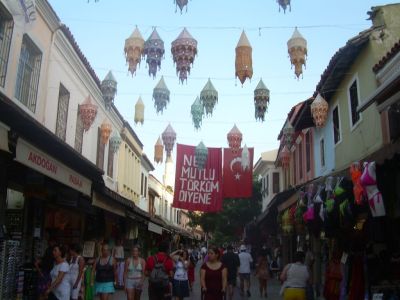
4) Old Town Bazaar (must see)

9
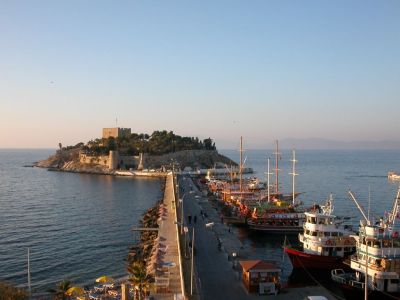
9) Kuşadası Castle (must see)

City Walks Overview
