

Nantes Introduction Walking Tour (Self Guided), Nantes
Dubbed “The Sleeping Beauty of France,” Nantes is a city that found rebirth through culture and creativity. Straddling the Loire River in western France, its history stretches across two millennia. The city's name comes from the Namnetes, a Celtic tribe that made their home here before the Romans arrived. The latter incorporated the settlement into their empire in the 1st century BC, calling it Portus Namnetum, and it prospered as a river port linking the Loire with the Atlantic. This strategic position made Nantes a point of contact between local Gauls, Roman merchants, and, later, the many powers that fought to control Brittany.
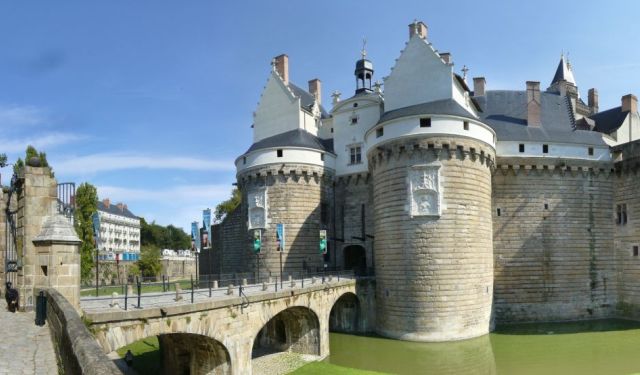
During the Middle Ages, Nantes grew into the capital of the Duchy of Brittany. It endured hardship and devastating Viking raids in the 9th century, such as the sack of Nantes in 843, when the cathedral was destroyed and its bishop killed. Yet Nantes recovered, fortified under Breton dukes who encouraged trade and urban growth. By the late Middle Ages, it was a thriving trading hub, closely tied to both Brittany and the wider French kingdom. Its role as ducal seat is still reflected in the Castle of the Dukes of Brittany, a fortress built in the 15th century under Duke Francis II and later used by his daughter, Anne of Brittany. This castle was not only a military stronghold but also a political residence.
A turning point came in 1491, when Anne of Brittany married King Charles VIII of France, marking the beginning of Brittany’s integration into the French crown. In 1598, King Henry IV signed the Edict of Nantes here, granting Protestants freedom of worship and ending decades of religious wars. Religious life shaped the city’s architecture, best seen in the Nantes Cathedral of Saints Peter and Paul, begun in the 15th century and completed over 400 years later. Its soaring Gothic design, white stone façade, and elaborate tombs-including that of Francis II-speak to the city’s wealth and enduring faith through the centuries.
From the 17th to the 19th century, Nantes became France’s largest Atlantic port, thriving on shipbuilding and, controversially, the triangular trade in enslaved Africans. This brought immense prosperity but left a painful legacy that the city acknowledges today. At the same time, Nantes developed strong industries in shipbuilding and food processing. It also played a significant role during the French Revolution, both as a center of revolutionary fervor and as the site of brutal repression in the Vendée conflict, a war between Catholic peasants and the Republican government.
Walking through Nantes today is to see these centuries layered together: Celtic roots, medieval ramparts, ducal castles, Gothic cathedrals, and reminders of its maritime and industrial strength. Let the city unfold step by step; each turn will not only show you a landmark but reveal how Nantes shaped-and was shaped by-the tides of history. It’s ready to impress you.
During the Middle Ages, Nantes grew into the capital of the Duchy of Brittany. It endured hardship and devastating Viking raids in the 9th century, such as the sack of Nantes in 843, when the cathedral was destroyed and its bishop killed. Yet Nantes recovered, fortified under Breton dukes who encouraged trade and urban growth. By the late Middle Ages, it was a thriving trading hub, closely tied to both Brittany and the wider French kingdom. Its role as ducal seat is still reflected in the Castle of the Dukes of Brittany, a fortress built in the 15th century under Duke Francis II and later used by his daughter, Anne of Brittany. This castle was not only a military stronghold but also a political residence.
A turning point came in 1491, when Anne of Brittany married King Charles VIII of France, marking the beginning of Brittany’s integration into the French crown. In 1598, King Henry IV signed the Edict of Nantes here, granting Protestants freedom of worship and ending decades of religious wars. Religious life shaped the city’s architecture, best seen in the Nantes Cathedral of Saints Peter and Paul, begun in the 15th century and completed over 400 years later. Its soaring Gothic design, white stone façade, and elaborate tombs-including that of Francis II-speak to the city’s wealth and enduring faith through the centuries.
From the 17th to the 19th century, Nantes became France’s largest Atlantic port, thriving on shipbuilding and, controversially, the triangular trade in enslaved Africans. This brought immense prosperity but left a painful legacy that the city acknowledges today. At the same time, Nantes developed strong industries in shipbuilding and food processing. It also played a significant role during the French Revolution, both as a center of revolutionary fervor and as the site of brutal repression in the Vendée conflict, a war between Catholic peasants and the Republican government.
Walking through Nantes today is to see these centuries layered together: Celtic roots, medieval ramparts, ducal castles, Gothic cathedrals, and reminders of its maritime and industrial strength. Let the city unfold step by step; each turn will not only show you a landmark but reveal how Nantes shaped-and was shaped by-the tides of history. It’s ready to impress you.
How it works: Download the app "GPSmyCity: Walks in 1K+ Cities" from Apple App Store or Google Play Store to your mobile phone or tablet. The app turns your mobile device into a personal tour guide and its built-in GPS navigation functions guide you from one tour stop to next. The app works offline, so no data plan is needed when traveling abroad.
Download The GPSmyCity App



Nantes Introduction Walking Tour Map
Guide Name: Nantes Introduction Walking Tour
Guide Location: France » Nantes (See other walking tours in Nantes)
Guide Type: Self-guided Walking Tour (Sightseeing)
Tour Duration: 2 Hour(s)
Travel Distance: 2.1 Km or 1.3 Miles
Guide Location: France » Nantes (See other walking tours in Nantes)
Guide Type: Self-guided Walking Tour (Sightseeing)
Tour Duration: 2 Hour(s)
Travel Distance: 2.1 Km or 1.3 Miles
Sights Featured in This Walk


The Most Popular Cities
/ view all