

Audio Guide: Roman Ruins Walking Tour (Self Guided), Cartagena
When the Roman writer Pliny the Elder referred to the city as “The Julian New City of Carthage”, he was describing what is now Cartagena at the height of its Roman prosperity. Thanks to its deep natural harbor and nearby silver mines, the ancient city of Carthago Nova became one of the most important ports and economic centers of Roman Hispania.
The Roman ruins of Cartagena, in southeastern Spain, are among the most significant archaeological remains in the Iberian Peninsula. They reflect the long history of the ancient city known to the Romans as New Carthage, an important military, commercial, and cultural center on the Mediterranean coast. The Roman name reflects the city’s earlier Carthaginian identity and it traces back to the Punic settlement Qart Hadasht, meaning “New City”.
The origins of the site go back to the 3rd century BC, when the Carthaginian general Hasdrubal the Fair founded the city of Qart Hadasht around 229 BC as a strategic port and base for expansion in Iberia. In 44 BC the settlement was granted the status of a Roman colony. This elevated status brought major urban planning and construction projects typical of Roman cities. Streets were arranged in a grid pattern, and monumental public buildings appeared, including forums, baths, temples, and entertainment venues.
Over the centuries, the Roman city declined as the Roman Empire weakened. Many structures were reused or buried beneath later buildings from the Byzantine, medieval, and early modern periods, leaving some monuments hidden for centuries. Today, Cartagena’s Roman ruins offer a vivid glimpse into the ancient city of Carthago Nova and illustrate how a once-strategic Carthaginian port evolved into one of the most important Roman cities in the western Mediterranean.
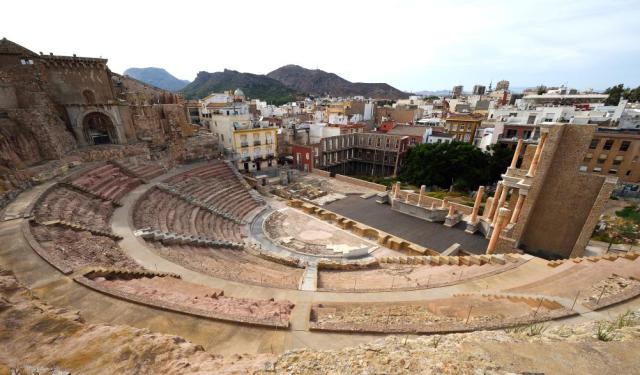
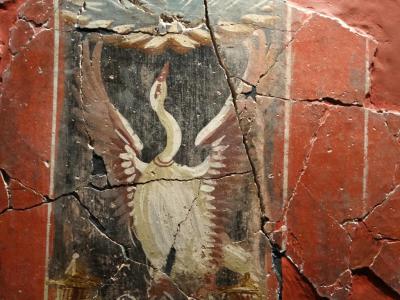
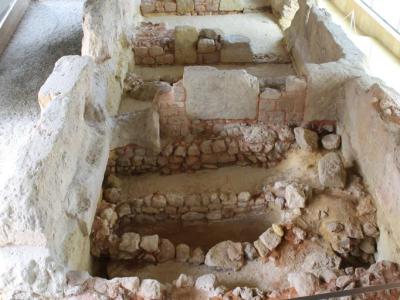
One of the most impressive surviving monuments is the Roman Theater of Cartagena, built between 5 and 1 BC as one of the largest theaters in Roman Spain. Nearby, the Roman Forum Molinete Museum introduces the core of Roman civic life, with baths, temples, and public spaces. A short walk away, the House of Fortune Cartagena reveals the preserved interior of a Roman home decorated with mosaics and wall paintings.
Walking through these remains today, it becomes clear why Pliny described the city with such pride: the ruins of Cartagena still reflect the wealth, ambition, and enduring legacy of the “Julian New City of Carthage.”
The Roman ruins of Cartagena, in southeastern Spain, are among the most significant archaeological remains in the Iberian Peninsula. They reflect the long history of the ancient city known to the Romans as New Carthage, an important military, commercial, and cultural center on the Mediterranean coast. The Roman name reflects the city’s earlier Carthaginian identity and it traces back to the Punic settlement Qart Hadasht, meaning “New City”.
The origins of the site go back to the 3rd century BC, when the Carthaginian general Hasdrubal the Fair founded the city of Qart Hadasht around 229 BC as a strategic port and base for expansion in Iberia. In 44 BC the settlement was granted the status of a Roman colony. This elevated status brought major urban planning and construction projects typical of Roman cities. Streets were arranged in a grid pattern, and monumental public buildings appeared, including forums, baths, temples, and entertainment venues.
Over the centuries, the Roman city declined as the Roman Empire weakened. Many structures were reused or buried beneath later buildings from the Byzantine, medieval, and early modern periods, leaving some monuments hidden for centuries. Today, Cartagena’s Roman ruins offer a vivid glimpse into the ancient city of Carthago Nova and illustrate how a once-strategic Carthaginian port evolved into one of the most important Roman cities in the western Mediterranean.
One of the most impressive surviving monuments is the Roman Theater of Cartagena, built between 5 and 1 BC as one of the largest theaters in Roman Spain. Nearby, the Roman Forum Molinete Museum introduces the core of Roman civic life, with baths, temples, and public spaces. A short walk away, the House of Fortune Cartagena reveals the preserved interior of a Roman home decorated with mosaics and wall paintings.
Walking through these remains today, it becomes clear why Pliny described the city with such pride: the ruins of Cartagena still reflect the wealth, ambition, and enduring legacy of the “Julian New City of Carthage.”
How it works: Download the app "GPSmyCity: Walks in 1K+ Cities" from Apple App Store or Google Play Store to your mobile phone or tablet. The app turns your mobile device into a personal tour guide and its built-in GPS navigation functions guide you from one tour stop to next. The app works offline, so no data plan is needed when traveling abroad.
Download The GPSmyCity App



Roman Ruins Walking Tour Map
Guide Name: Roman Ruins Walking Tour
Guide Location: Spain » Cartagena (See other walking tours in Cartagena)
Guide Type: Self-guided Walking Tour (Sightseeing)
Tour Duration: 1 Hour
Travel Distance: 1.9 Km or 1.2 Miles
Tour Best Suited For: In-depth exploration
Guide Location: Spain » Cartagena (See other walking tours in Cartagena)
Guide Type: Self-guided Walking Tour (Sightseeing)
Tour Duration: 1 Hour
Travel Distance: 1.9 Km or 1.2 Miles
Tour Best Suited For: In-depth exploration
Sights Featured in This Walk


Walking Tours in Cartagena, Spain

Create Your Own Walk in Cartagena
Creating your own self-guided walk in Cartagena is easy and fun. Choose the city attractions that you want to see and a walk route map will be created just for you. You can even set your hotel as the start point of the walk.
Cartagena Introduction Walking Tour
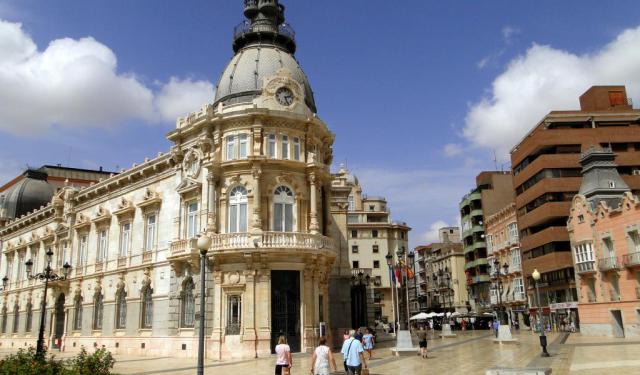
Situated in the southeastern corner of Spain, in the province of Murcia, the city of Cartagena is a major naval station on the Iberian Mediterranean coast. Being the first of a number of cities worldwide named Cartagena, it has one of the most fascinating histories in all of Spain, inhabited for over two millennia by several great civilizations and cultures.
The town was founded around 227 BC... view more
Tour Duration: 2 Hours
Travel Distance: 2.6 Km or 1.6 Miles
The town was founded around 227 BC... view more
Tour Duration: 2 Hours
Travel Distance: 2.6 Km or 1.6 Miles
The Most Popular Cities
/ view all