

Taipei Night Market Food Tour (Self Guided), Taipei
British actor Henry Golding described Taipei's night markets as a perfect encapsulation of Taiwan's energy.
The night markets' roots go back to ancient China, particularly the Tang Dynasty, spanning the 7th to 10th centuries, when vendors began selling food and goods after sunset near temples and busy urban areas. Over time, these evening markets became central to social life, especially during the Song Dynasty, when nightlife expanded and markets stayed open late into the night.
In Taiwan, the earliest forms of night markets appeared during the late 19th century, with records pointing to markets forming around 1899. These early markets were typically small clusters of food stalls set up near temples or along trade routes. They served both practical and social purposes-providing affordable meals and acting as gathering places for local communities.
The modern Taipei night market, however, took shape after World War II. As Taiwan industrialized rapidly, large numbers of migrant workers moved into cities. Night markets became essential to daily life, offering inexpensive food, quick shopping, and a place to unwind after long workdays. During the 1950s and 60s, these markets expanded organically, often occupying streets that were quiet at night.
By the 1960s and 70s, night markets evolved further, selling not only food but also manufactured goods such as clothing, toys, and household items.
In the 1980s and beyond, Taipei began recognizing the cultural and tourism value of night markets. The creation of designated night markets in the late 20th century helped formalize and promote them internationally.
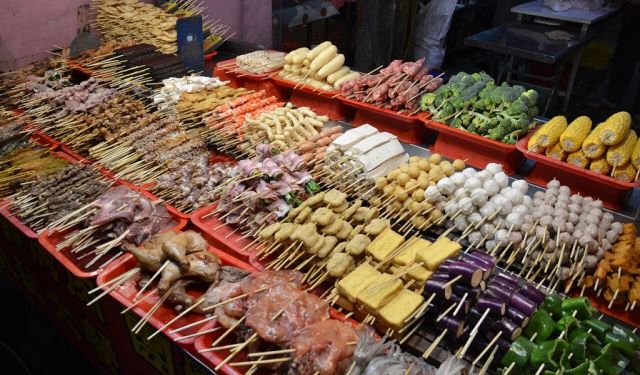
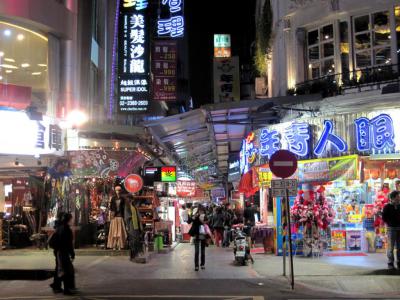
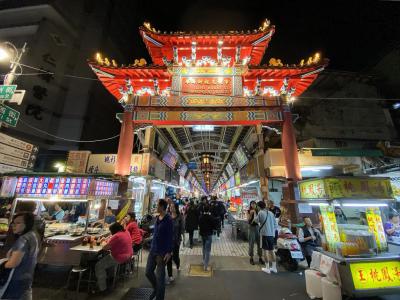
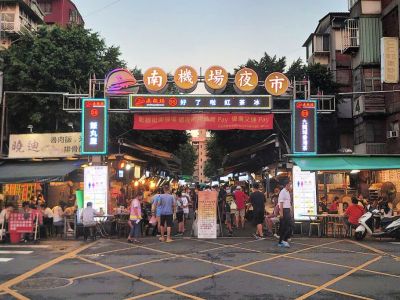
Walking through Ximending, Huaxi Street, and Nanjichang night markets, visitors encounter three distinct atmospheres: neon-lit pedestrian streets in Ximending filled with youth culture and street performers; Huaxi Street’s covered lanes near Longshan Temple, known for traditional dishes and unusual delicacies; and Nanjichang’s local, food-focused alleys serving classic Taiwanese snacks. Across all three, expect crowds, sizzling grills, bright signage, and a steady rhythm of eating, browsing, and socializing late into the night.
And this is exactly what Golding was pointing to. In Taipei, the streets don’t empty after dark-they come alive. Just as importantly, they do so in a setting that feels remarkably safe. With violent crime rare and markets well lit and busy, walking here at night is not something to worry about, but something to enjoy.
The night markets' roots go back to ancient China, particularly the Tang Dynasty, spanning the 7th to 10th centuries, when vendors began selling food and goods after sunset near temples and busy urban areas. Over time, these evening markets became central to social life, especially during the Song Dynasty, when nightlife expanded and markets stayed open late into the night.
In Taiwan, the earliest forms of night markets appeared during the late 19th century, with records pointing to markets forming around 1899. These early markets were typically small clusters of food stalls set up near temples or along trade routes. They served both practical and social purposes-providing affordable meals and acting as gathering places for local communities.
The modern Taipei night market, however, took shape after World War II. As Taiwan industrialized rapidly, large numbers of migrant workers moved into cities. Night markets became essential to daily life, offering inexpensive food, quick shopping, and a place to unwind after long workdays. During the 1950s and 60s, these markets expanded organically, often occupying streets that were quiet at night.
By the 1960s and 70s, night markets evolved further, selling not only food but also manufactured goods such as clothing, toys, and household items.
In the 1980s and beyond, Taipei began recognizing the cultural and tourism value of night markets. The creation of designated night markets in the late 20th century helped formalize and promote them internationally.
Walking through Ximending, Huaxi Street, and Nanjichang night markets, visitors encounter three distinct atmospheres: neon-lit pedestrian streets in Ximending filled with youth culture and street performers; Huaxi Street’s covered lanes near Longshan Temple, known for traditional dishes and unusual delicacies; and Nanjichang’s local, food-focused alleys serving classic Taiwanese snacks. Across all three, expect crowds, sizzling grills, bright signage, and a steady rhythm of eating, browsing, and socializing late into the night.
And this is exactly what Golding was pointing to. In Taipei, the streets don’t empty after dark-they come alive. Just as importantly, they do so in a setting that feels remarkably safe. With violent crime rare and markets well lit and busy, walking here at night is not something to worry about, but something to enjoy.
How it works: Download the app "GPSmyCity: Walks in 1K+ Cities" from Apple App Store or Google Play Store to your mobile phone or tablet. The app turns your mobile device into a personal tour guide and its built-in GPS navigation functions guide you from one tour stop to next. The app works offline, so no data plan is needed when traveling abroad.
Download The GPSmyCity App



Taipei Night Market Food Tour Map
Guide Name: Taipei Night Market Food Tour
Guide Location: Taiwan » Taipei (See other walking tours in Taipei)
Guide Type: Self-guided Walking Tour (Sightseeing)
Tour Duration: 1 Hour
Travel Distance: 3.1 Km or 1.9 Miles
Tour Best Suited For: Foodies
Guide Location: Taiwan » Taipei (See other walking tours in Taipei)
Guide Type: Self-guided Walking Tour (Sightseeing)
Tour Duration: 1 Hour
Travel Distance: 3.1 Km or 1.9 Miles
Tour Best Suited For: Foodies
Sights Featured in This Walk
Walking Tours in Taipei, Taiwan

Create Your Own Walk in Taipei
Creating your own self-guided walk in Taipei is easy and fun. Choose the city attractions that you want to see and a walk route map will be created just for you. You can even set your hotel as the start point of the walk.
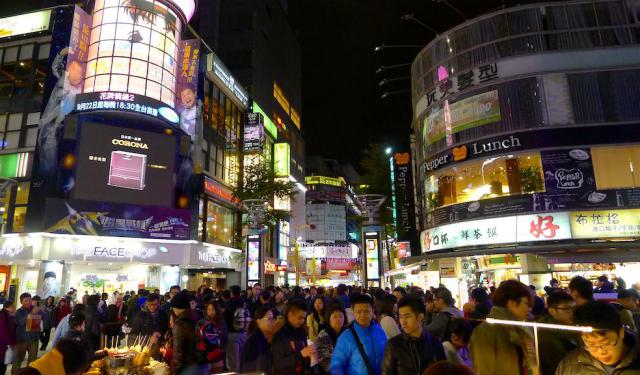
Taipei Shopping Tour
Among the many things Taipei is famous for, shopping is undoubtedly one of the main. The fashion-conscious and business-oriented Taiwanese capital is rightfully regarded to be a shopper’s paradise in East Asia, comparable to the likes of Hong Kong, Seoul, Tokyo, Singapore or Kuala Lumpur. The variety of markets, boutique stores, shopping districts and, of course, first-class malls here is truly... view more
Tour Duration: 1 Hour
Travel Distance: 1.9 Km or 1.2 Miles
Tour Duration: 1 Hour
Travel Distance: 1.9 Km or 1.2 Miles
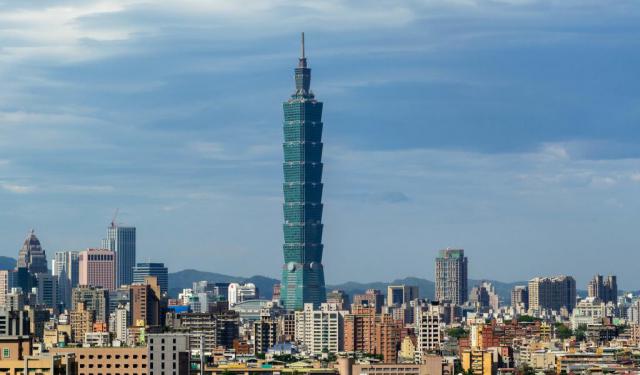
Taipei 101 and Xiangshan Walking Tour
The newest area of urban Taipei, the Xinyi district has technically existed only since 1990. Young as it is though, the neighborhood has earned a reputation of being one of the city's premier travel destinations.
Indeed, in Xinyi you’re never too far from experiencing something truly cool or iconic, be it the impressive Taipei 101 with its landmark observation deck or the breathtaking... view more
Tour Duration: 1 Hour
Travel Distance: 2.3 Km or 1.4 Miles
Indeed, in Xinyi you’re never too far from experiencing something truly cool or iconic, be it the impressive Taipei 101 with its landmark observation deck or the breathtaking... view more
Tour Duration: 1 Hour
Travel Distance: 2.3 Km or 1.4 Miles
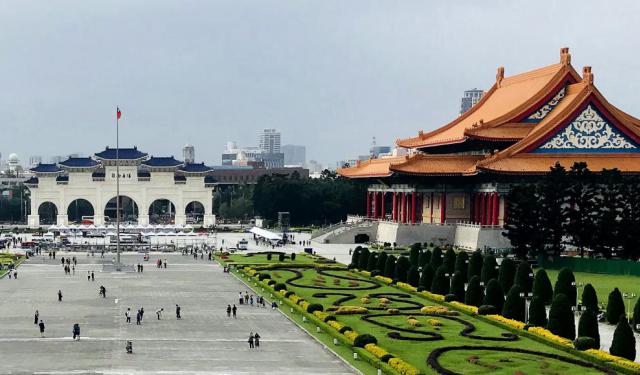
Taipei City Center Walking Tour
Taipei, the capital of Taiwan, developed relatively late compared to many other major Asian cities, yet its history reflects centuries of migration, trade, and political change. The name Taipei derives from “Tai-pak,” meaning “North of Taiwan” or “Northern Taiwan,” a designation that distinguishes it from Tainan, the island’s earlier administrative centre in the south.
Long before... view more
Tour Duration: 2 Hours
Travel Distance: 3.6 Km or 2.2 Miles
Long before... view more
Tour Duration: 2 Hours
Travel Distance: 3.6 Km or 2.2 Miles
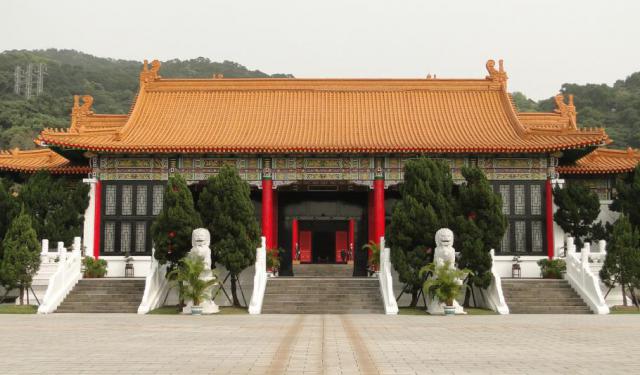
Zhongshan District Walking Tour
Covering a swathe of central Taipei, Zhongshan is the city's most fascinating district. It takes the name from Sun Yat-sen, aka Sun Zhongshan, who was a Chinese statesman and went down in history as the provisional first president of the Republic of China in 1912. Caught in the crosshatch of the area's main streets and secret alleyways is a wonderful mish-mash of attractions: museums and... view more
Tour Duration: 2 Hours
Travel Distance: 5 Km or 3.1 Miles
Tour Duration: 2 Hours
Travel Distance: 5 Km or 3.1 Miles
Useful Travel Guides for Planning Your Trip

Taipei Souvenirs: 8 Uniquely Taiwanese Products to Bring Home
Other than being an affluent Chinese state off the shore of mainland China, a non-Chinese foreigner might not know much about Taiwan, unless one has already been there. The island is a home to some truly unique things hardly found anywhere else. In Taipei - the country's capital with a great...
City Walks Overview
