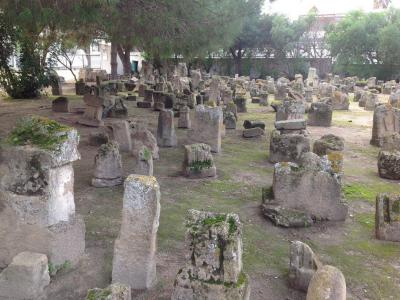


Tophet de Carthage, Tunis
The Tophet of Carthage, also known as the Tophet of Salammbô, is a sacred area located in Tunis, dedicated to the Phoenician deities Tanit and Baal. It served as a combination of a sanctuary and necropolis and is located near the Punic ports in the Carthaginian district of Salammbô. The tophet is believed to have been in use for over 600 years, between 730 BCE and 146 BCE, and contains many children's tombs. There are different opinions regarding whether the children buried there were sacrificed or buried after their untimely deaths.
The question of what happened to these children is closely connected to the Phoenician and Punic religion, and how it was perceived by Jews and Romans. The term "Tophet" originally referred to a place near Jerusalem associated with hell, which has led to a morbid interpretation of the religious practices at the Carthaginian Tophet.
The cause of the children's burials is still being debated among historians, as written and archaeological sources can be interpreted in various ways. While some argue that the graves suggest that the children buried there were sacrificed, others believe that the evidence is inconclusive and that the texts may have been written with an agenda, especially given the wars between Carthage and Rome.
Some evidence suggests that the children's graves were separated from adult cemeteries and were regularly tended to and supplied with offerings. The inscriptions referring to gifts and offerings may indicate sacrifice or could signify the family's hope for regeneration or fertility after the loss of a child. The graves from the early period are marked with low thrones or stones, while later graves are marked with sandstone markers covered in stucco and painted in various colors.
The question of what happened to these children is closely connected to the Phoenician and Punic religion, and how it was perceived by Jews and Romans. The term "Tophet" originally referred to a place near Jerusalem associated with hell, which has led to a morbid interpretation of the religious practices at the Carthaginian Tophet.
The cause of the children's burials is still being debated among historians, as written and archaeological sources can be interpreted in various ways. While some argue that the graves suggest that the children buried there were sacrificed, others believe that the evidence is inconclusive and that the texts may have been written with an agenda, especially given the wars between Carthage and Rome.
Some evidence suggests that the children's graves were separated from adult cemeteries and were regularly tended to and supplied with offerings. The inscriptions referring to gifts and offerings may indicate sacrifice or could signify the family's hope for regeneration or fertility after the loss of a child. The graves from the early period are marked with low thrones or stones, while later graves are marked with sandstone markers covered in stucco and painted in various colors.
Want to visit this sight? Check out these Self-Guided Walking Tours in Tunis. Alternatively, you can download the mobile app "GPSmyCity: Walks in 1K+ Cities" from Apple App Store or Google Play Store. The app turns your mobile device to a personal tour guide and it works offline, so no data plan is needed when traveling abroad.
Download The GPSmyCity App



Tophet de Carthage on Map
Sight Name: Tophet de Carthage
Sight Location: Tunis, Tunisia (See walking tours in Tunis)
Sight Type: Attraction/Landmark
Sight Location: Tunis, Tunisia (See walking tours in Tunis)
Sight Type: Attraction/Landmark
Nearby Sights

Walking Tours in Tunis, Tunisia

Create Your Own Walk in Tunis
Creating your own self-guided walk in Tunis is easy and fun. Choose the city attractions that you want to see and a walk route map will be created just for you. You can even set your hotel as the start point of the walk.
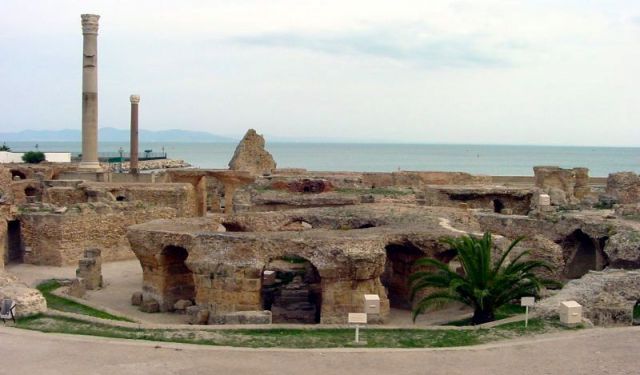
Carthage Walking Tour
The Roman statesman Cato the Elder ended every speech the same way, no matter the subject: “Carthage must be destroyed”. Not because the city was weak, but because it was powerful enough to worry Rome even in silence.
Carthage’s ruins sit on the northeastern edge of modern Tunis, looking out over the Gulf of Tunis. The name Carthage ultimately comes from the Punic word meaning “new... view more
Tour Duration: 2 Hours
Travel Distance: 4 Km or 2.5 Miles
Carthage’s ruins sit on the northeastern edge of modern Tunis, looking out over the Gulf of Tunis. The name Carthage ultimately comes from the Punic word meaning “new... view more
Tour Duration: 2 Hours
Travel Distance: 4 Km or 2.5 Miles
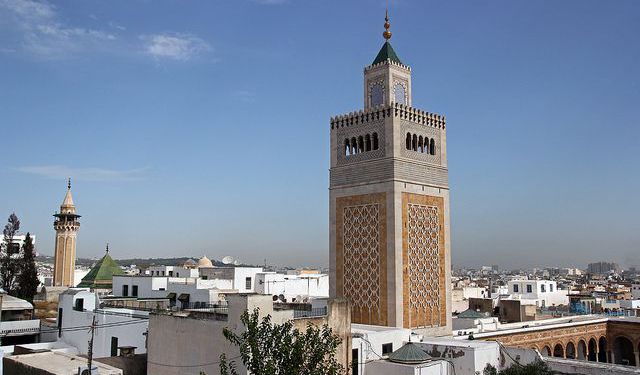
Tunis Introduction Walking Tour
Born in Tunis in 1332, Arab scholar and historian Ibn Khaldun later looked back at his home city when writing the book “Introduction”, describing Tunis itself as a living urban organism shaped by power, trade and learning.
Tunis, the capital of modern Tunisia, stands at a historical crossroads of the Mediterranean, shaped by more than three millennia. The name Tunis is generally believed to... view more
Tour Duration: 1 Hour
Travel Distance: 1.8 Km or 1.1 Miles
Tunis, the capital of modern Tunisia, stands at a historical crossroads of the Mediterranean, shaped by more than three millennia. The name Tunis is generally believed to... view more
Tour Duration: 1 Hour
Travel Distance: 1.8 Km or 1.1 Miles
Useful Travel Guides for Planning Your Trip
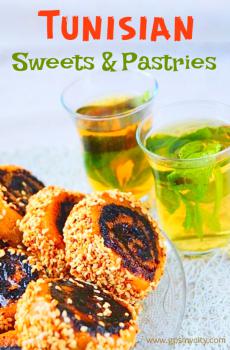
Tunisian Sweets and Pastries
No Tunisian meal is complete without a lavish dessert at the end. And Tunisians do take their sweets seriously, be it fresh seasonal fruits, cakes, fried almond pastries, ice cream, doughnuts or whatever else. Some of these delights have come from Turkey, brought by soldiers of the Ottoman army;...
Tunis Souvenirs: 15 Authentic Tunisian Products for Avid Traveler
A historic crossroads of many civilizations and influences, - Berber, Spanish, French, - Tunisia is a treasure trove of mementos waiting for a knowledgeable traveler to be picked up. The Medina market of Tunis (the capital city) is one of the best places to shop for local handcrafts. To help...
City Walks Overview
