

A Walk Through Chamonix: The World’s Mountaineering Capital (Self Guided), Chamonix
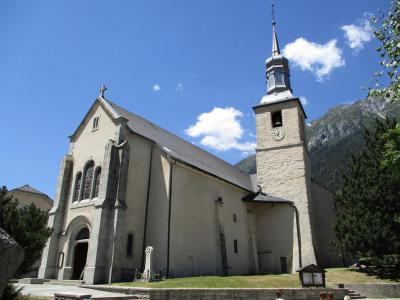
Nestled amidst the majestic Alps, the French town of Chamonix is a testament to both natural wonder and human ingenuity. Many of its attractions - including the surrounding mountain peaks themselves - are in one way or another associated with the Alps.
This picturesque valley, originally known as Campus munitum (meaning “fortified field” in Latin), was first recorded in 1091.
As a part of the historical land of Savoy, Chamonix remained a feudal territory under the House of Savoy from the 11th to 14th centuries. The town's name underwent various iterations throughout history, evolving from its early form "Chamonis" in 1283 to the modern spelling "Chamonix" in 1793.
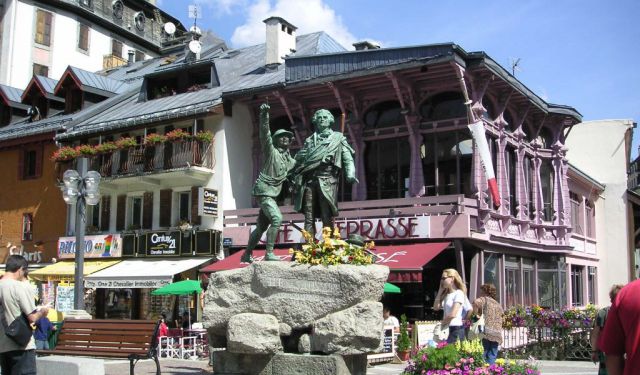
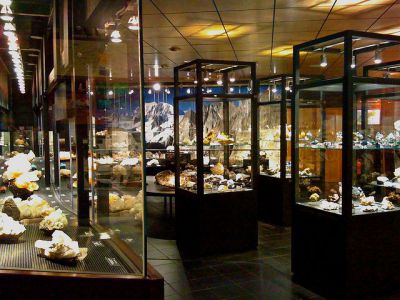
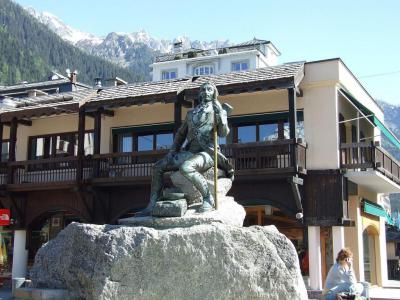
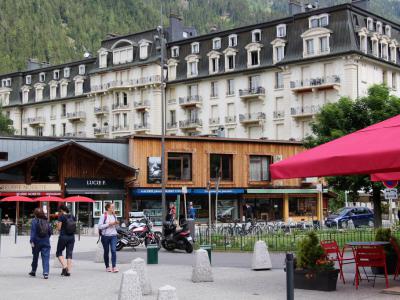
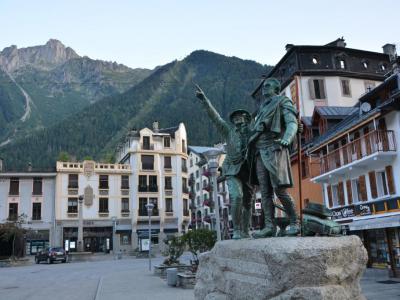
It wasn't until 1786 that Chamonix gained prominence as a hub for alpine exploration, following the first ascent of Mont Blanc, the highest mountain in the Alps and Western Europe, by Jacques Balmat and Michel Paccard - a feat that put the town firmly on the map. Today, the Statue of Michel Paccard pays homage to the pioneering spirit of one of Chamonix's most illustrious sons, while the Alpine Museum offers a deeper insight into the town's mountaineering heritage.
The appearance of the first tourists in the region, in the early 19th century, made the commune increasingly dependent on the tourist industry. In 1921, the city changed its official name to Chamonix-Mont-Blanc and in 1924 gained wide popularity as the host of the first Winter Olympic Games, which further raised its profile as an international tourist destination.
By the 1960s, the city's economic focus shifted solely to tourism, which by the end of the 20th century brought in up to 5 million guests a year!
At the heart of Chamonix lies Place du Mont Blanc, a bustling square that serves as a focal point for both locals and visitors alike. A stroll down Doctor Paccard Street reveals quaint shops and charming cafes, offering a glimpse into daily life in Chamonix.
You can pause to admire the Statue of Horace Bénédict de Saussure, a tribute to the renowned scientist whose contributions to the study of alpine geology are celebrated to this day.
Whether you're an avid adventurer or a casual observer, Chamonix beckons with its unrivaled beauty and timeless allure. From its historic landmarks to its awe-inspiring landscapes, there's no shortage of wonders to discover in this alpine paradise. So pack your bags, lace up your hiking boots, and embark on an unforgettable journey to Chamonix - where the spirit of exploration knows no bounds.
This picturesque valley, originally known as Campus munitum (meaning “fortified field” in Latin), was first recorded in 1091.
As a part of the historical land of Savoy, Chamonix remained a feudal territory under the House of Savoy from the 11th to 14th centuries. The town's name underwent various iterations throughout history, evolving from its early form "Chamonis" in 1283 to the modern spelling "Chamonix" in 1793.
It wasn't until 1786 that Chamonix gained prominence as a hub for alpine exploration, following the first ascent of Mont Blanc, the highest mountain in the Alps and Western Europe, by Jacques Balmat and Michel Paccard - a feat that put the town firmly on the map. Today, the Statue of Michel Paccard pays homage to the pioneering spirit of one of Chamonix's most illustrious sons, while the Alpine Museum offers a deeper insight into the town's mountaineering heritage.
The appearance of the first tourists in the region, in the early 19th century, made the commune increasingly dependent on the tourist industry. In 1921, the city changed its official name to Chamonix-Mont-Blanc and in 1924 gained wide popularity as the host of the first Winter Olympic Games, which further raised its profile as an international tourist destination.
By the 1960s, the city's economic focus shifted solely to tourism, which by the end of the 20th century brought in up to 5 million guests a year!
At the heart of Chamonix lies Place du Mont Blanc, a bustling square that serves as a focal point for both locals and visitors alike. A stroll down Doctor Paccard Street reveals quaint shops and charming cafes, offering a glimpse into daily life in Chamonix.
You can pause to admire the Statue of Horace Bénédict de Saussure, a tribute to the renowned scientist whose contributions to the study of alpine geology are celebrated to this day.
Whether you're an avid adventurer or a casual observer, Chamonix beckons with its unrivaled beauty and timeless allure. From its historic landmarks to its awe-inspiring landscapes, there's no shortage of wonders to discover in this alpine paradise. So pack your bags, lace up your hiking boots, and embark on an unforgettable journey to Chamonix - where the spirit of exploration knows no bounds.
How it works: Download the app "GPSmyCity: Walks in 1K+ Cities" from Apple App Store or Google Play Store to your mobile phone or tablet. The app turns your mobile device into a personal tour guide and its built-in GPS navigation functions guide you from one tour stop to next. The app works offline, so no data plan is needed when traveling abroad.
Download The GPSmyCity App



A Walk Through Chamonix: The World’s Mountaineering Capital Map
Guide Name: A Walk Through Chamonix: The World’s Mountaineering Capital
Guide Location: France » Chamonix (See other walking tours in Chamonix)
Guide Type: Self-guided Walking Tour (Sightseeing)
Tour Duration: 1 Hour
Travel Distance: 1.3 Km or 0.8 Miles
Tour Best Suited For: First-time visit
Guide Location: France » Chamonix (See other walking tours in Chamonix)
Guide Type: Self-guided Walking Tour (Sightseeing)
Tour Duration: 1 Hour
Travel Distance: 1.3 Km or 0.8 Miles
Tour Best Suited For: First-time visit
Sights Featured in This Walk
6
6) Alpine Museum (must see)
City Walks Overview
