

Audio Guide: Discover Bergen City Center on Foot (Self Guided), Bergen
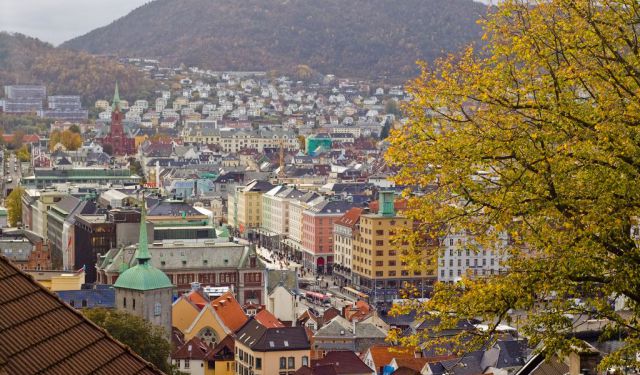
Bergen is a historic port city shaped by the sea, the mountains, and centuries of trade. Its wooden waterfront, busy harbor, and Hanseatic past give it a character unlike anywhere else in Norway. Yet one part of its history seems almost contradictory: Bergen is famous for rain, averaging around 200 wet days a year, but it has also suffered a remarkable number of devastating fires. So why the fires?
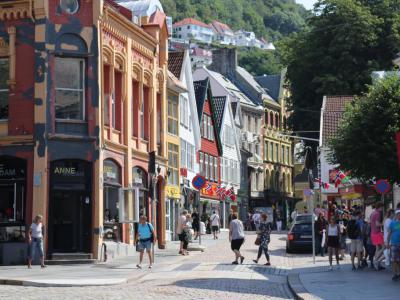
For centuries, much of Bergen consisted of tightly packed wooden buildings separated by narrow streets and alleys. Once a fire started, flames could spread rapidly from house to house, particularly in strong winds. In 1702, nearly 90% of the city was destroyed in one of the worst fires in Bergen's history. Major fires continued to strike the city, including another devastating blaze in 1916.
Bergen had long tried to limit such disasters by creating broad open spaces known as allmenninger, which could act as firebreaks. Torgallmenningen was laid out after the great fire of 1702, although the idea of broad firebreaks in this part of the city went back even further. After the 1916 disaster, the surrounding center was extensively re-planned, with wider streets, more open spaces, and substantial buildings constructed largely in masonry rather than wood.
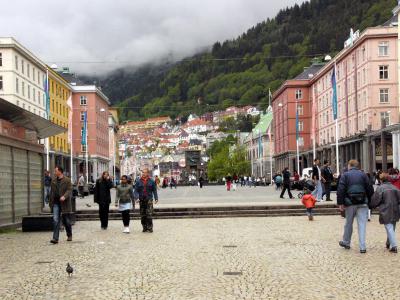
Torgallmenningen is Bergen's main central square. Much of its present appearance dates from the reconstruction that followed the 1916 fire. Toward the harbor end of the square stands the Maritime Monument, created by Norwegian sculptor Dyre Vaa and unveiled in 1950. Its 12 life-size bronze figures and accompanying reliefs represent different periods in Norway's maritime history, from the Viking Age to modern times.
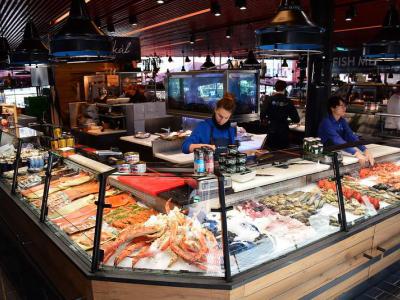
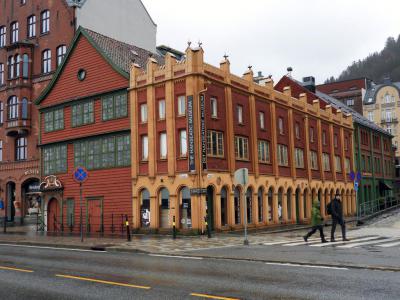
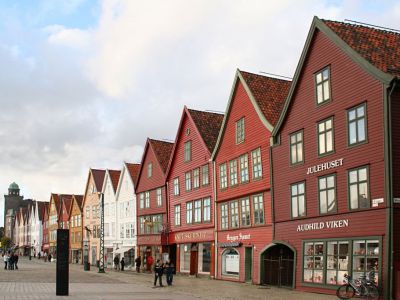
That maritime tradition is closely connected with The Wharf. German Hanseatic merchants came to Bergen to exchange imported grain and other goods for stockfish from northern Norway. From the 14th century, The Wharf became the center of their trading operations. A short walk away is Bergen's famous Fish Market. Fresh fish and seafood remain central to the market, alongside fruit, vegetables, local produce, and restaurants.
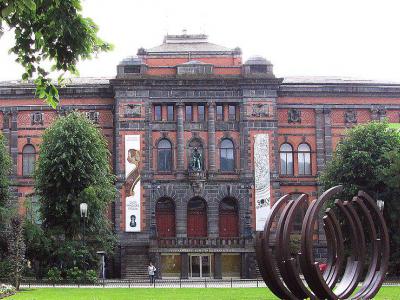
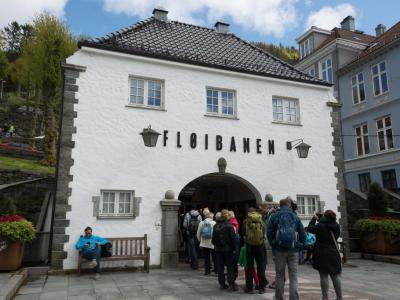
KODE is one of the largest museums of art, crafts, design, and music in the Nordic region. Bergen is also famously known as the "city between seven mountains." One of the most accessible is Mount Fløyen, rising about 1,050 feet above sea level. The Fløibanen funicular has carried passengers up the mountain since 1918, with the journey to the top taking about six minutes.
Perhaps one of Bergen's most distinctive features, however, is the fierce local pride of its people. A well-known saying captures it perfectly: "I'm not from Norway, I'm from Bergen."
For centuries, much of Bergen consisted of tightly packed wooden buildings separated by narrow streets and alleys. Once a fire started, flames could spread rapidly from house to house, particularly in strong winds. In 1702, nearly 90% of the city was destroyed in one of the worst fires in Bergen's history. Major fires continued to strike the city, including another devastating blaze in 1916.
Bergen had long tried to limit such disasters by creating broad open spaces known as allmenninger, which could act as firebreaks. Torgallmenningen was laid out after the great fire of 1702, although the idea of broad firebreaks in this part of the city went back even further. After the 1916 disaster, the surrounding center was extensively re-planned, with wider streets, more open spaces, and substantial buildings constructed largely in masonry rather than wood.
Torgallmenningen is Bergen's main central square. Much of its present appearance dates from the reconstruction that followed the 1916 fire. Toward the harbor end of the square stands the Maritime Monument, created by Norwegian sculptor Dyre Vaa and unveiled in 1950. Its 12 life-size bronze figures and accompanying reliefs represent different periods in Norway's maritime history, from the Viking Age to modern times.
That maritime tradition is closely connected with The Wharf. German Hanseatic merchants came to Bergen to exchange imported grain and other goods for stockfish from northern Norway. From the 14th century, The Wharf became the center of their trading operations. A short walk away is Bergen's famous Fish Market. Fresh fish and seafood remain central to the market, alongside fruit, vegetables, local produce, and restaurants.
KODE is one of the largest museums of art, crafts, design, and music in the Nordic region. Bergen is also famously known as the "city between seven mountains." One of the most accessible is Mount Fløyen, rising about 1,050 feet above sea level. The Fløibanen funicular has carried passengers up the mountain since 1918, with the journey to the top taking about six minutes.
Perhaps one of Bergen's most distinctive features, however, is the fierce local pride of its people. A well-known saying captures it perfectly: "I'm not from Norway, I'm from Bergen."
How it works: Download the app "GPSmyCity: Walks in 1K+ Cities" from Apple App Store or Google Play Store to your mobile phone or tablet. The app turns your mobile device into a personal tour guide and its built-in GPS navigation functions guide you from one tour stop to next. The app works offline, so no data plan is needed when traveling abroad.
Download The GPSmyCity App



Discover Bergen City Center on Foot Map
Guide Name: Discover Bergen City Center on Foot
Guide Location: Norway » Bergen (See other walking tours in Bergen)
Guide Type: Self-guided Walking Tour (Sightseeing)
Tour Duration: 2 Hours
Travel Distance: 3 Km or 1.9 Miles
Tour Best Suited For: First-time visit
Guide Location: Norway » Bergen (See other walking tours in Bergen)
Guide Type: Self-guided Walking Tour (Sightseeing)
Tour Duration: 2 Hours
Travel Distance: 3 Km or 1.9 Miles
Tour Best Suited For: First-time visit
Sights Featured in This Walk
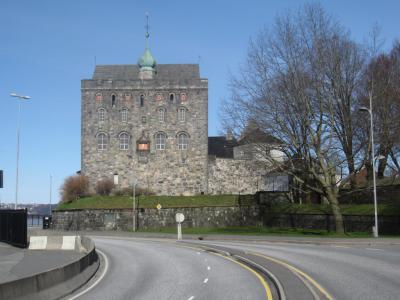
Walking Tours in Bergen, Norway

Create Your Own Walk in Bergen
Creating your own self-guided walk in Bergen is easy and fun. Choose the city attractions that you want to see and a walk route map will be created just for you. You can even set your hotel as the start point of the walk.
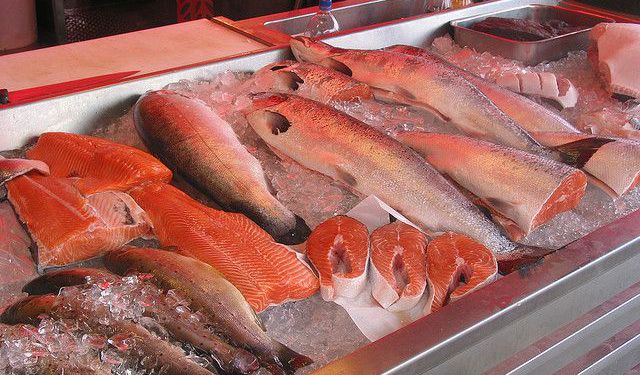
Bergen Shopping Tour
For centuries, since its establishment in the 1020s, Bergen has been an important commercial hub. As such, it is probably one of the oldest shopping destinations in Northern Europe. Today, Bergen features a variety of shops and markets scattered throughout the city.
One such notable location is Kjottbasaren, a historic market located near the city center. Here, visitors can explore a variety... view more
Tour Duration: 1 Hour
Travel Distance: 0.9 Km or 0.6 Miles
One such notable location is Kjottbasaren, a historic market located near the city center. Here, visitors can explore a variety... view more
Tour Duration: 1 Hour
Travel Distance: 0.9 Km or 0.6 Miles
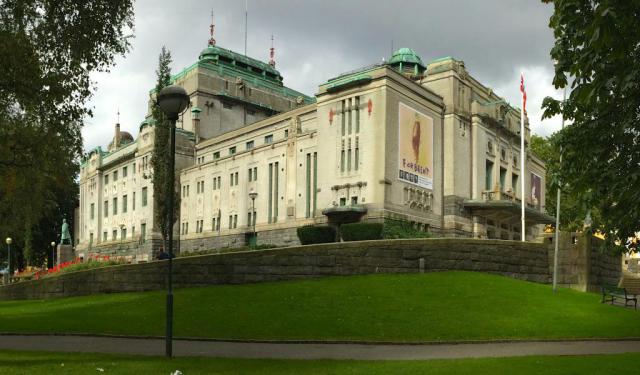
Bergen's Architectural Jewels
Surprising as it may appear, but the seemingly small city of Bergen for centuries had been the largest in all of the Nordic countries. It also remained so for Norway until the 1830s. Apart from being the country's former capital (back in the 13th century), Bergen is well-known primarily for its astoundingly beautiful cityscape, formed by the backdrop of mountains and serene waterfront, much... view more
Tour Duration: 2 Hours
Travel Distance: 2.9 Km or 1.8 Miles
Tour Duration: 2 Hours
Travel Distance: 2.9 Km or 1.8 Miles
City Walks Overview
