

Audio Guide: Fort Lauderdale Downtown Walking Tour (Self Guided), Fort Lauderdale
Fort Lauderdale is known for sunshine, water, and a few iconic local stories. Many people connect it with the Spring Break era that put the city in the spotlight, and with the Elbo Room, a legendary beachfront bar made famous by the 1960 film "Where the Boys Are". It’s a place where the day can start with calm water views and end with lively streets full of music and conversation.
The name “Fort Lauderdale” comes from a series of military forts built during the Second Seminole War in the 1830s. The forts were named in honor of the Lauderdale family’s military service, most commonly linked to Major William Lauderdale, a U.S. Army officer who led soldiers in the area. Over time, the name stuck and became tied to the settlement that developed nearby.
Fort Lauderdale began as a small community shaped by the Everglades and the New River. Early growth was slow, but the city expanded with rail connections, improved roads, and new interest in Florida as a vacation destination. In the early 1900s it became an official city, and after World War II it grew rapidly, turning into a major hub for tourism, boating, and new residents migrating to the area.
Today, Fort Lauderdale feels like a mix of beach town and modern city. It’s often called the “Venice of America” because of its canals, marinas, and waterfront neighborhoods. The city is easy to explore in sections, from the beach and its hotels to downtown along the river, with areas like Las Olas connecting the different sides of the city.
A great place to experience is the Fort Lauderdale Riverwalk, a scenic path along the New River with parks, museums, restaurants, and boat traffic passing by. If you want a closer look at early local life, the Stranahan House is a must-see—it’s the city’s oldest surviving home and a simple, memorable stop for understanding how Fort Lauderdale began.
Fort Lauderdale has a lot more to it than the beach, keep an eye out for the little details along the way, and you’ll notice that pretty quickly once we get moving.
The name “Fort Lauderdale” comes from a series of military forts built during the Second Seminole War in the 1830s. The forts were named in honor of the Lauderdale family’s military service, most commonly linked to Major William Lauderdale, a U.S. Army officer who led soldiers in the area. Over time, the name stuck and became tied to the settlement that developed nearby.
Fort Lauderdale began as a small community shaped by the Everglades and the New River. Early growth was slow, but the city expanded with rail connections, improved roads, and new interest in Florida as a vacation destination. In the early 1900s it became an official city, and after World War II it grew rapidly, turning into a major hub for tourism, boating, and new residents migrating to the area.
Today, Fort Lauderdale feels like a mix of beach town and modern city. It’s often called the “Venice of America” because of its canals, marinas, and waterfront neighborhoods. The city is easy to explore in sections, from the beach and its hotels to downtown along the river, with areas like Las Olas connecting the different sides of the city.
A great place to experience is the Fort Lauderdale Riverwalk, a scenic path along the New River with parks, museums, restaurants, and boat traffic passing by. If you want a closer look at early local life, the Stranahan House is a must-see—it’s the city’s oldest surviving home and a simple, memorable stop for understanding how Fort Lauderdale began.
Fort Lauderdale has a lot more to it than the beach, keep an eye out for the little details along the way, and you’ll notice that pretty quickly once we get moving.
How it works: Download the app "GPSmyCity: Walks in 1K+ Cities" from Apple App Store or Google Play Store to your mobile phone or tablet. The app turns your mobile device into a personal tour guide and its built-in GPS navigation functions guide you from one tour stop to next. The app works offline, so no data plan is needed when traveling abroad.
Fort Lauderdale Downtown Walking Tour Map
Guide Name: Fort Lauderdale Downtown Walking Tour
Guide Location: USA » Fort Lauderdale (See other walking tours in Fort Lauderdale)
Guide Type: Self-guided Walking Tour (Sightseeing)
# of Attractions: 6
Tour Duration: 1 Hour(s)
Travel Distance: 1.5 Km or 0.9 Miles
Author: christine
Sight(s) Featured in This Guide:
Guide Location: USA » Fort Lauderdale (See other walking tours in Fort Lauderdale)
Guide Type: Self-guided Walking Tour (Sightseeing)
# of Attractions: 6
Tour Duration: 1 Hour(s)
Travel Distance: 1.5 Km or 0.9 Miles
Author: christine
Sight(s) Featured in This Guide:
- Fort Lauderdale Riverwalk
- History Fort Lauderdale
- Bryan Building
- NSU Art Museum
- Stranahan House
- Las Olas Boulevard
1) Fort Lauderdale Riverwalk (must see)
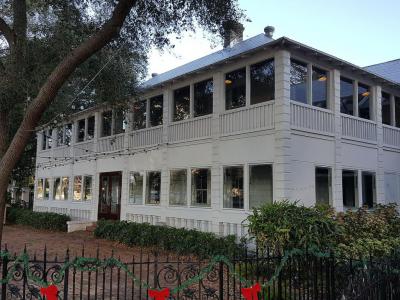
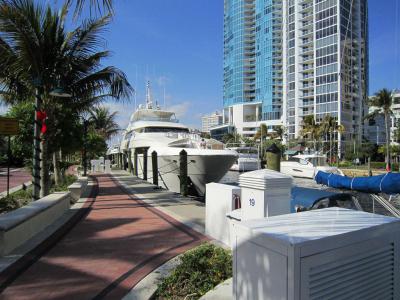
Fort Lauderdale Riverwalk is a one-mile pedestrian promenade that follows the New River through downtown Fort Lauderdale. It’s a place where water, green spaces, and city life come together, offering an easy way to explore the area on foot. Although the full length can be walked in less than 30 minutes, most visitors take their time, stopping often to enjoy the views and nearby attractions.
As you walk along the path, keep the river on one side and the city on the other. Look across the water to watch boats pass through the canal, from small kayaks to larger yachts and water taxis. Notice how the scenery changes as you move—quiet stretches with trees and benches give way to busier sections near restaurants, museums, and parks. The path is flat and well marked, making it easy to walk at a relaxed pace.
Along the way, pay attention to the different Riverwalk district parks you pass. Some areas invite you to stay active, with outdoor exercise stations, while others are better suited for a break. You’ll find parks with play equipment for children, as well as calmer spots with seating and chess tables where you can pause and rest. There are also chances to rent a kayak, join a yoga session, or stop for photos, especially where the river bends and opens up wider views.
The Riverwalk can be enjoyed both during the day and at night, thanks to its lighting and open layout. Nearby streets offer plenty of places to eat, shop, or continue exploring, including historic sites and cultural attractions close to the river.
As you walk along the path, keep the river on one side and the city on the other. Look across the water to watch boats pass through the canal, from small kayaks to larger yachts and water taxis. Notice how the scenery changes as you move—quiet stretches with trees and benches give way to busier sections near restaurants, museums, and parks. The path is flat and well marked, making it easy to walk at a relaxed pace.
Along the way, pay attention to the different Riverwalk district parks you pass. Some areas invite you to stay active, with outdoor exercise stations, while others are better suited for a break. You’ll find parks with play equipment for children, as well as calmer spots with seating and chess tables where you can pause and rest. There are also chances to rent a kayak, join a yoga session, or stop for photos, especially where the river bends and opens up wider views.
The Riverwalk can be enjoyed both during the day and at night, thanks to its lighting and open layout. Nearby streets offer plenty of places to eat, shop, or continue exploring, including historic sites and cultural attractions close to the river.
2) History Fort Lauderdale (must see)
History Fort Lauderdale is a walk-through history site that feels more like a small historic neighborhood than a single museum building. Located along the New River in downtown Fort Lauderdale, the site brings together several preserved structures that show how the city developed over time. It’s an easy place to explore at a relaxed pace and works well even if you only have a short visit planned.
As the walk begins, look to your left for the Schoolhouse Museum, the first stop on the route. This modest building offers a simple introduction to early education in South Florida and helps set the tone for the rest of the visit. From here, continue straight ahead to the main museum building, the Museum of History – New River Inn. Housed in Broward County’s oldest hotel, built in 1905, this is the centerpiece of the site. Inside, take time to explore exhibits on archaeology, Seminole culture, fashion, and military history, which together provide a broad overview of the region and its people.
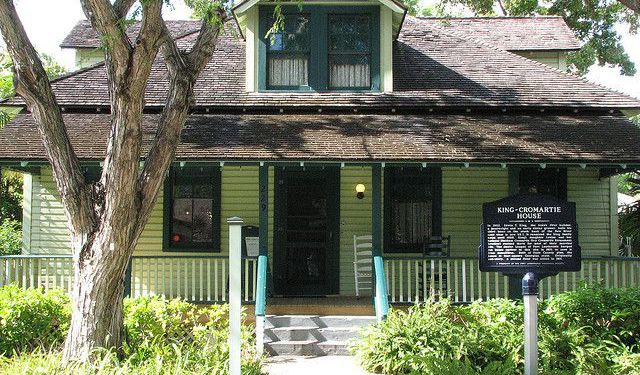
When you exit the New River Inn, continue walking and look again to your left for the King-Cromartie House, also known as the Pioneer House Museum. Constructed by pioneer farmer and builder Ed King using local pine and salvaged ship timbers, the house gives a close-up look at daily life in early Fort Lauderdale. Inside, notice the period furnishings, historic clothing, and collections of antique dolls and toys. Continue past the pavilion, an open space often used for exhibits and events, then stop at the Philemon Bryan House, one of the area’s oldest surviving residences and an important early settler home.
The site concludes at the Hoch Research Library, the foremost history center in South Florida. This working research facility houses an extensive collection, including newspaper clippings from 1910 to the present, more than 400,000 historic photographs, maps, and architectural blueprints. Genealogists, authors, and other professionals work here daily, making it a unique place to see history being actively studied and preserved.
As the walk begins, look to your left for the Schoolhouse Museum, the first stop on the route. This modest building offers a simple introduction to early education in South Florida and helps set the tone for the rest of the visit. From here, continue straight ahead to the main museum building, the Museum of History – New River Inn. Housed in Broward County’s oldest hotel, built in 1905, this is the centerpiece of the site. Inside, take time to explore exhibits on archaeology, Seminole culture, fashion, and military history, which together provide a broad overview of the region and its people.
When you exit the New River Inn, continue walking and look again to your left for the King-Cromartie House, also known as the Pioneer House Museum. Constructed by pioneer farmer and builder Ed King using local pine and salvaged ship timbers, the house gives a close-up look at daily life in early Fort Lauderdale. Inside, notice the period furnishings, historic clothing, and collections of antique dolls and toys. Continue past the pavilion, an open space often used for exhibits and events, then stop at the Philemon Bryan House, one of the area’s oldest surviving residences and an important early settler home.
The site concludes at the Hoch Research Library, the foremost history center in South Florida. This working research facility houses an extensive collection, including newspaper clippings from 1910 to the present, more than 400,000 historic photographs, maps, and architectural blueprints. Genealogists, authors, and other professionals work here daily, making it a unique place to see history being actively studied and preserved.
3) Bryan Building
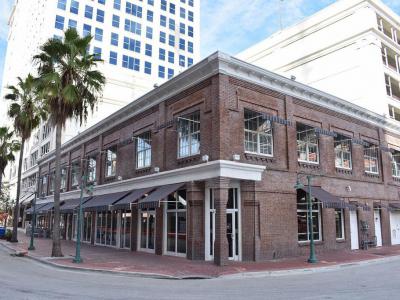
The Bryan Building is one of downtown Fort Lauderdale’s oldest surviving commercial structures. Built by Thomas Bryan and completed in 1914, the building stands in what was once the heart of the city’s business district. At a time when Fort Lauderdale was still taking shape, this structure played a central role in everyday civic and economic life.
Over the years, the Bryan Building served several key functions. It housed a U.S. Post Office, making it a vital point of communication for residents and businesses, and it was also home to the Fort Lauderdale Bank, reflecting the city’s growing financial activity. At different periods, the building operated as a hotel as well, offering lodging in a busy area close to the river and commercial streets. These changing uses show how the building adapted to the needs of a developing town.
Today, the Bryan Building is valued for its historical significance rather than its original functions. Its preservation helps illustrate how Fort Lauderdale evolved beyond a small settlement into an organized commercial center. In recognition of its importance, the Bryan Building was added to the National Register of Historic Places in 1997. It makes a worthwhile stop for visitors interested in seeing where the city’s early business, banking, and public services once came together.
Over the years, the Bryan Building served several key functions. It housed a U.S. Post Office, making it a vital point of communication for residents and businesses, and it was also home to the Fort Lauderdale Bank, reflecting the city’s growing financial activity. At different periods, the building operated as a hotel as well, offering lodging in a busy area close to the river and commercial streets. These changing uses show how the building adapted to the needs of a developing town.
Today, the Bryan Building is valued for its historical significance rather than its original functions. Its preservation helps illustrate how Fort Lauderdale evolved beyond a small settlement into an organized commercial center. In recognition of its importance, the Bryan Building was added to the National Register of Historic Places in 1997. It makes a worthwhile stop for visitors interested in seeing where the city’s early business, banking, and public services once came together.
4) NSU Art Museum
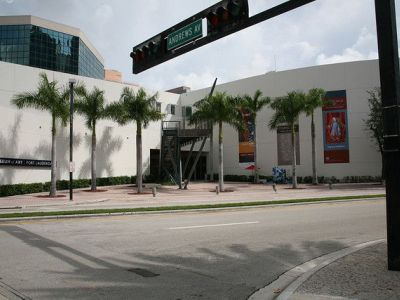
NSU Art Museum Fort Lauderdale is one of South Florida’s most respected art institutions, known for its strong focus on modern and contemporary works. Located in downtown Fort Lauderdale, the museum is part of Nova Southeastern University and offers a concentrated, well-curated experience that stands out from the city’s outdoor attractions.
The museum is especially recognized for its collections of postwar and contemporary art, with notable strengths in Latin American, Cuban, and Caribbean works, as well as European movements such as CoBrA. Its galleries regularly host rotating exhibitions that explore social themes, artistic movements, and individual artists in depth. This changing exhibition schedule means the museum often feels different from one visit to the next.
Beyond the artwork itself, the museum’s design adds to the experience. The building was designed by renowned modernist architect Edward Larrabee Barnes, and its clean lines, controlled lighting, and quiet layout are meant to keep attention on the art. Inside, the galleries feel spacious and deliberate, allowing visitors to focus closely on individual pieces, installations, and exhibition themes without distraction.
The museum is especially recognized for its collections of postwar and contemporary art, with notable strengths in Latin American, Cuban, and Caribbean works, as well as European movements such as CoBrA. Its galleries regularly host rotating exhibitions that explore social themes, artistic movements, and individual artists in depth. This changing exhibition schedule means the museum often feels different from one visit to the next.
Beyond the artwork itself, the museum’s design adds to the experience. The building was designed by renowned modernist architect Edward Larrabee Barnes, and its clean lines, controlled lighting, and quiet layout are meant to keep attention on the art. Inside, the galleries feel spacious and deliberate, allowing visitors to focus closely on individual pieces, installations, and exhibition themes without distraction.
5) Stranahan House (must see)
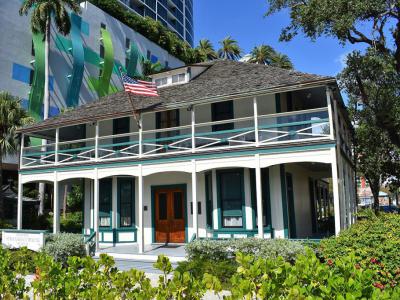
Stranahan House is the oldest surviving structure in Fort Lauderdale and one of the city’s most important historic landmarks. Built in 1901 along the New River, the house offers a direct look into the early days of the settlement, long before Fort Lauderdale became a modern waterfront city.
The house was built by Frank Stranahan, often referred to as Fort Lauderdale’s founding father, and his wife Ivy Cromartie Stranahan, a schoolteacher and community leader. Frank arrived in the area in 1893 and built a successful trading business with local settlers and the Seminole people. Ivy came to the settlement in 1899 as its first schoolteacher, and the two married in 1900.
Over the years, the building served many purposes, including a trading post, post office, town hall, and family home. Its location along the river made it a natural center of daily life, commerce, and communication for early residents.
Inside, the rooms are furnished to reflect different periods of the house’s long history. As you move through the space, you’ll see how the Stranahans lived and worked, with details that show how closely daily life was tied to the river and the surrounding environment. Exhibits also highlight Ivy Stranahan’s role in education and her advocacy for Native American rights, adding an important social perspective to the site’s history.
Today, the Stranahan House is preserved as a museum and stands in clear contrast to the modern buildings around it. Its wooden structure, simple design, and riverside setting help visitors understand how Fort Lauderdale began and how much it has changed since the early 20th century. A visit here provides a strong sense of the city’s origins and the people who shaped its earliest chapters.
The house was built by Frank Stranahan, often referred to as Fort Lauderdale’s founding father, and his wife Ivy Cromartie Stranahan, a schoolteacher and community leader. Frank arrived in the area in 1893 and built a successful trading business with local settlers and the Seminole people. Ivy came to the settlement in 1899 as its first schoolteacher, and the two married in 1900.
Over the years, the building served many purposes, including a trading post, post office, town hall, and family home. Its location along the river made it a natural center of daily life, commerce, and communication for early residents.
Inside, the rooms are furnished to reflect different periods of the house’s long history. As you move through the space, you’ll see how the Stranahans lived and worked, with details that show how closely daily life was tied to the river and the surrounding environment. Exhibits also highlight Ivy Stranahan’s role in education and her advocacy for Native American rights, adding an important social perspective to the site’s history.
Today, the Stranahan House is preserved as a museum and stands in clear contrast to the modern buildings around it. Its wooden structure, simple design, and riverside setting help visitors understand how Fort Lauderdale began and how much it has changed since the early 20th century. A visit here provides a strong sense of the city’s origins and the people who shaped its earliest chapters.
6) Las Olas Boulevard (must see)
Las Olas Boulevard stretches between downtown Fort Lauderdale and the beach and has long served as one of the city’s main corridors. As you move along the street, keep in mind that this route was first laid out in 1917 as a simple path to the ocean. After World War II, it developed into the city’s primary commercial district. Several well-known figures once lived along or near the boulevard, including Sonny Bono and Cher, as well as Lucille Ball and her husband Desi Arnaz, adding to its long-standing appeal.
As you continue, pay attention to how easy the street is to explore on foot. Look along both sides and notice the variety of storefronts, including art galleries, boutiques, jewelry shops, gift stores, and specialty retailers. Some buildings reflect earlier architectural styles, while others are clearly modern. This mix gives the boulevard a layered look that mirrors Fort Lauderdale’s gradual growth over time.
While walking, notice how much of the street is centered around food and social spaces. Restaurants appear frequently, ranging from casual cafés to more upscale dining spots. Menus cover a wide range of cuisines, including pub-style food, sushi, vegan options, smoothies, and fine dining. Central and South American influences are common, alongside Indian, Middle Eastern, Greek, and Italian choices. As the day turns into evening, listen for music and watch how the street becomes even more active.
The Boulevard stands out because it has grown alongside the city itself. Its long layout, mix of businesses, and steady foot traffic reflect how Fort Lauderdale shifted from a small coastal town into a modern urban destination. Time spent here offers a clear picture of how daily life, commerce, and leisure intersect in the city.
As you continue, pay attention to how easy the street is to explore on foot. Look along both sides and notice the variety of storefronts, including art galleries, boutiques, jewelry shops, gift stores, and specialty retailers. Some buildings reflect earlier architectural styles, while others are clearly modern. This mix gives the boulevard a layered look that mirrors Fort Lauderdale’s gradual growth over time.
While walking, notice how much of the street is centered around food and social spaces. Restaurants appear frequently, ranging from casual cafés to more upscale dining spots. Menus cover a wide range of cuisines, including pub-style food, sushi, vegan options, smoothies, and fine dining. Central and South American influences are common, alongside Indian, Middle Eastern, Greek, and Italian choices. As the day turns into evening, listen for music and watch how the street becomes even more active.
The Boulevard stands out because it has grown alongside the city itself. Its long layout, mix of businesses, and steady foot traffic reflect how Fort Lauderdale shifted from a small coastal town into a modern urban destination. Time spent here offers a clear picture of how daily life, commerce, and leisure intersect in the city.
Walking Tours in Fort Lauderdale, Florida

Create Your Own Walk in Fort Lauderdale
Creating your own self-guided walk in Fort Lauderdale is easy and fun. Choose the city attractions that you want to see and a walk route map will be created just for you. You can even set your hotel as the start point of the walk.
Downtown Historical Buildings
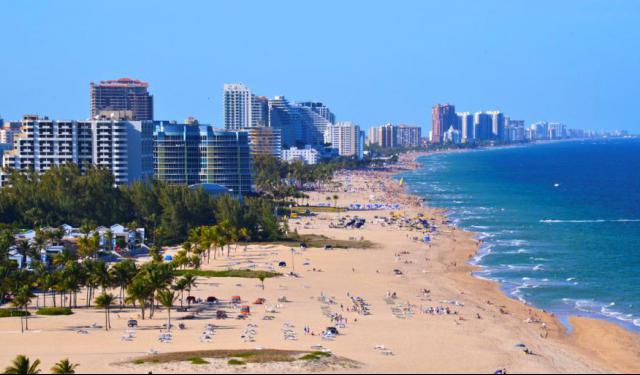
Downtown Fort Lauderdale is home to three designated historic districts: The Sailboat Bend, The Himmarshee, and The Stranahan House. Each holds a range of houses and buildings from the mid-19th and 20th centuries that together tell the fascinating story of Fort Lauderdale's evolution over the years.
One such notable institution, preserving the city's heritage, is the Fort Lauderdale... view more
Tour Duration: 2 Hour(s)
Travel Distance: 3.2 Km or 2 Miles
One such notable institution, preserving the city's heritage, is the Fort Lauderdale... view more
Tour Duration: 2 Hour(s)
Travel Distance: 3.2 Km or 2 Miles
Fort Lauderdale Beach Walking Tour
For decades, Fort Lauderdale Beach has been known primarily as a destination for raucous college students to celebrate Spring Break. Today, although a bit calmer and less chaotic than before, this neighborhood still boasts a wealth of opportunities for recreation, relaxation, and enjoyment.
One of the notable local attractions is the Bonnet House Museum and Gardens. This historic estate... view more
Tour Duration: 2 Hour(s)
Travel Distance: 4.9 Km or 3 Miles
One of the notable local attractions is the Bonnet House Museum and Gardens. This historic estate... view more
Tour Duration: 2 Hour(s)
Travel Distance: 4.9 Km or 3 Miles
The Most Popular Cities
/ view all