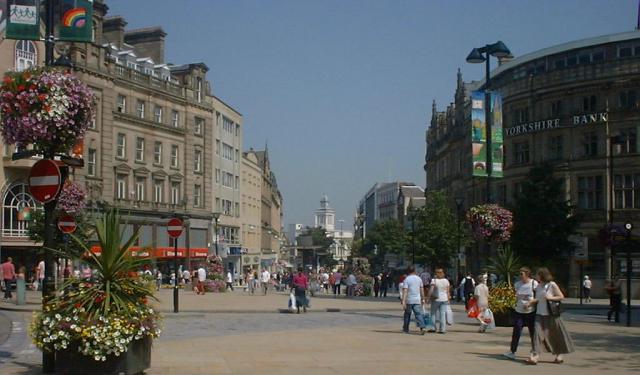


Sheffield Introduction Walking Tour (Self Guided), Sheffield
Sheffield takes its name from the river Sheaf, which runs through the city. Field, of course, is an open space. The city sits at the confluence of the rivers Don and Sheaf. Don is the master stream. Its tributaries are the Loxely, Porter Brook, Rivelin, and Sheaf. There were settlements in this area as far back as 12,000 years ago.
After the Romans, settlements were Anglo-Saxon and Danish. With the arrival of the Normans, Baron William de Lovetot built Sheffield Castle to guard the Saxons. By the 14th century, Sheffield had grown into an important market town. In the 17th century, the town was known for its production of cutlery and steel.
Steel was Sheffield's ticket to greatness. The crucible steel process was developed in Sheffield in the 1740s. The Industrial Revolution brought large-scale steel-making to Sheffield. The arrival of rail travel in the 19th century further boosted the town's population.
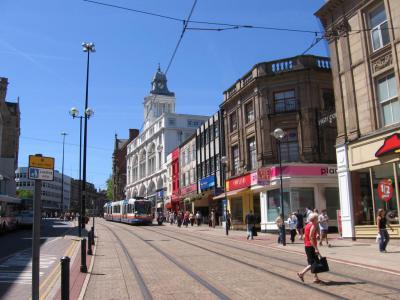
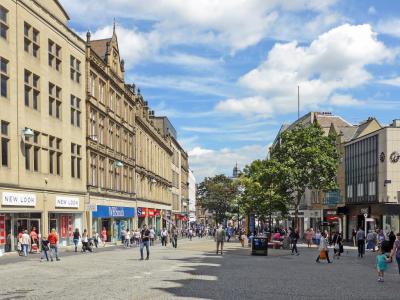
Sheffield continues to be a market town. The main shopping areas are the Moor, Fargate, Orchard Square, and the unique Devonshire Quarter. Former factories and foundries are now galleries, theaters, and museums. City Hall harbors a comedy club.
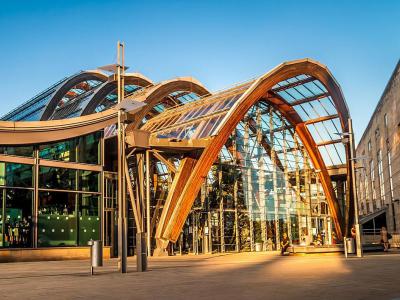
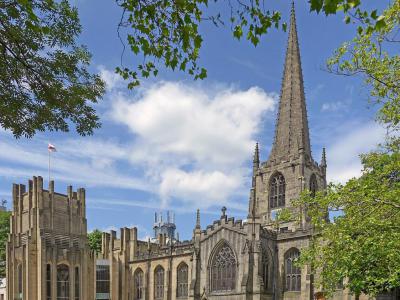
The Millennium Gallery showcases art collections and the world's best metalwork. The enormous Winter Garden greenhouse is an oasis of thousands of plants and trees from around the world. The 12th-century Sheffield Cathedral, with its stunning lantern tower and stained glass, offers a haven of serenity.
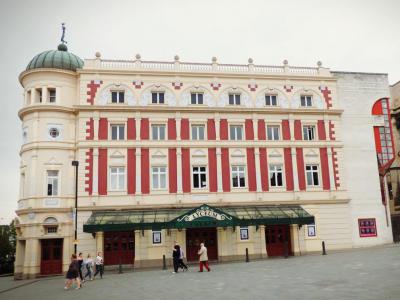
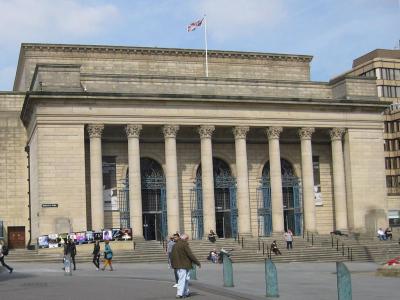
The theatre complex in the heart of the city is made up of the Crucible, Lyceum, and Crucible Studio. The Neo-classical Sheffield City Hall in Barker's Pool is a venue for operas, ballet, Pink Floyd, the Beatles, and Lou Reed. Other theaters are the Montgomery, Merlin, and Lantern.
Sheffield is welcoming and friendly, packed with places of art, culture, dining, and lots of green spaces. Festivals, theaters, pubs, nightclubs, and sports give the city a lively spirit and call for adventure. Answer the call.
After the Romans, settlements were Anglo-Saxon and Danish. With the arrival of the Normans, Baron William de Lovetot built Sheffield Castle to guard the Saxons. By the 14th century, Sheffield had grown into an important market town. In the 17th century, the town was known for its production of cutlery and steel.
Steel was Sheffield's ticket to greatness. The crucible steel process was developed in Sheffield in the 1740s. The Industrial Revolution brought large-scale steel-making to Sheffield. The arrival of rail travel in the 19th century further boosted the town's population.
Sheffield continues to be a market town. The main shopping areas are the Moor, Fargate, Orchard Square, and the unique Devonshire Quarter. Former factories and foundries are now galleries, theaters, and museums. City Hall harbors a comedy club.
The Millennium Gallery showcases art collections and the world's best metalwork. The enormous Winter Garden greenhouse is an oasis of thousands of plants and trees from around the world. The 12th-century Sheffield Cathedral, with its stunning lantern tower and stained glass, offers a haven of serenity.
The theatre complex in the heart of the city is made up of the Crucible, Lyceum, and Crucible Studio. The Neo-classical Sheffield City Hall in Barker's Pool is a venue for operas, ballet, Pink Floyd, the Beatles, and Lou Reed. Other theaters are the Montgomery, Merlin, and Lantern.
Sheffield is welcoming and friendly, packed with places of art, culture, dining, and lots of green spaces. Festivals, theaters, pubs, nightclubs, and sports give the city a lively spirit and call for adventure. Answer the call.
How it works: Download the app "GPSmyCity: Walks in 1K+ Cities" from Apple App Store or Google Play Store to your mobile phone or tablet. The app turns your mobile device into a personal tour guide and its built-in GPS navigation functions guide you from one tour stop to next. The app works offline, so no data plan is needed when traveling abroad.
Download The GPSmyCity App



Sheffield Introduction Walking Tour Map
Guide Name: Sheffield Introduction Walking Tour
Guide Location: England » Sheffield (See other walking tours in Sheffield)
Guide Type: Self-guided Walking Tour (Sightseeing)
Tour Duration: 1 Hour(s)
Travel Distance: 1.7 Km or 1.1 Miles
Guide Location: England » Sheffield (See other walking tours in Sheffield)
Guide Type: Self-guided Walking Tour (Sightseeing)
Tour Duration: 1 Hour(s)
Travel Distance: 1.7 Km or 1.1 Miles
Sights Featured in This Walk
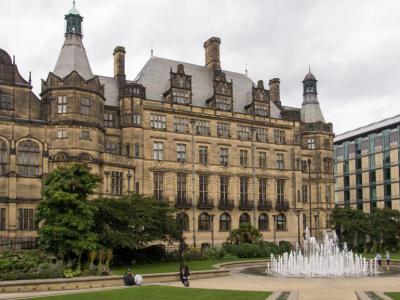
1) Sheffield Town Hall (must see)
Walking Tours in Sheffield, England

Create Your Own Walk in Sheffield
Creating your own self-guided walk in Sheffield is easy and fun. Choose the city attractions that you want to see and a walk route map will be created just for you. You can even set your hotel as the start point of the walk.
Sheffield's Historical Buildings
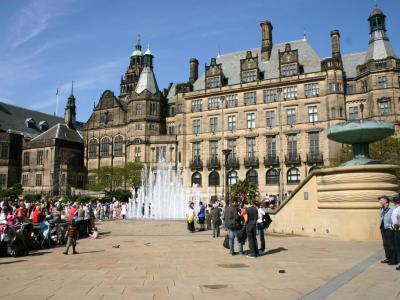
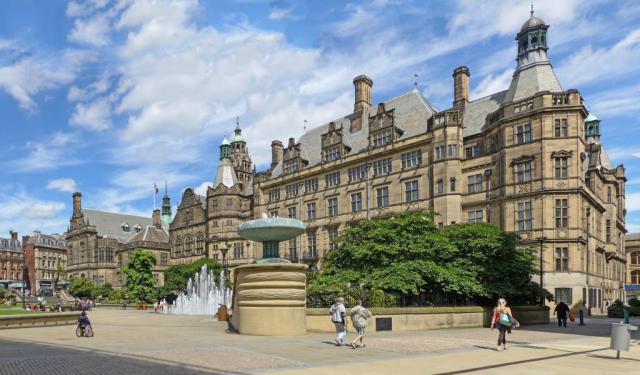
Part of Sheffield’s great heritage is manifested in buildings. The presence of historical sites, some rather imposing like the Sheffield Town Hall and City Hall, presiding over the area, and the others like the Church of St Marie, somewhat hidden from view in a built-up neighbourhood, provides a colourful illustration of the city's glorious past.
Constructed over a time-span ranging from... view more
Tour Duration: 2 Hour(s)
Travel Distance: 2.9 Km or 1.8 Miles
Constructed over a time-span ranging from... view more
Tour Duration: 2 Hour(s)
Travel Distance: 2.9 Km or 1.8 Miles
Industrial Revolution Heritage Walking Tour
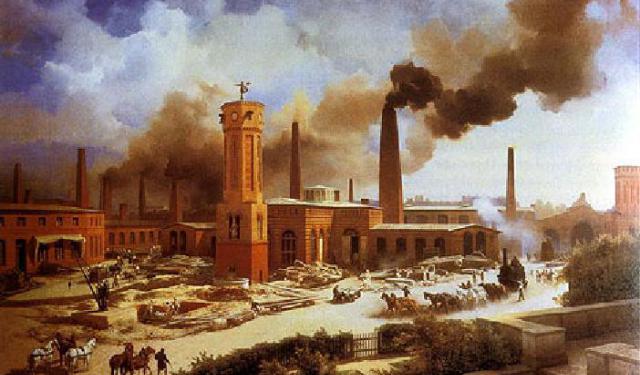
Steeped in history, the city of Sheffield is famed for its contribution to the Industrial Revolution, largely due to the development of stainless steel. Indeed, the “Steel City” of the United Kingdom, it was internationally renowned as a major hub of steel manufacturing during the 19th century. So much so, in fact, that George Orwell once famously referred to it as “the ugliest town in the... view more
Tour Duration: 2 Hour(s)
Travel Distance: 3.1 Km or 1.9 Miles
Tour Duration: 2 Hour(s)
Travel Distance: 3.1 Km or 1.9 Miles
The Most Popular Cities
/ view all