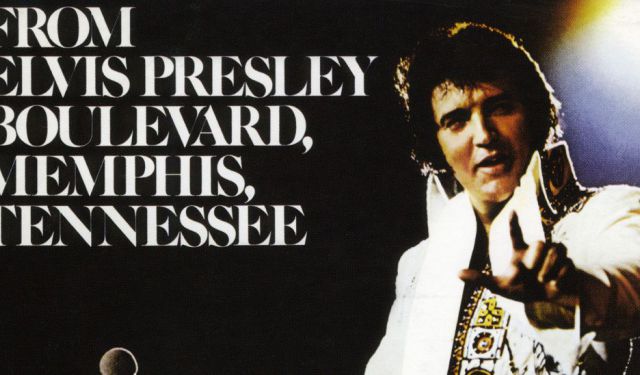


Audio Guide: Elvis Presley Walking Tour (Self Guided), Memphis
Elvis Presley was born in Tupelo, Mississippi, but Memphis became the city that shaped him. Among all the celebrities associated with Memphis, Elvis remains the one most people think of first. He arrived in the city with his parents in 1948, at the age of 13, when the family was searching for better opportunities.
In the late 1940s and early 1950s, Memphis was one of America’s great musical crossroads. Gospel filled churches, blues pulsed through clubs and street corners, country sounds drifted in from the rural South, and rhythm and blues reached young listeners through radio and record shops. Elvis grew up absorbing all of it. He was not trained in a formal conservatory, but in the everyday music of the city-what he heard on the radio, in church, on the streets, and in the voices of black and white Southern performers.
As a teenager, Elvis stood out, though not yet as a star. He was shy, deeply attached to his family, and already developing a look that mixed thrift-store imagination with sharp personal instinct. His long hair, sideburns, colourful clothing, and love of music set him apart from many of his classmates. Memphis gave him room to become that version of himself before he fully understood what kind of performer he would become.
His breakthrough in the mid-1950s came from that Memphis mixture. Elvis did not invent rock ’n’ roll alone, and his success grew from traditions already rooted in the city and the wider South. What made him electrifying was the way he carried those influences through his voice, body, and stage presence. He sounded familiar and new at the same time, which made him both thrilling and controversial.
Even after fame carried him far beyond Memphis, the city remained central to his life. He returned between tours, recorded there, supported local causes, and made his home there. Since his death in 1977, Memphis has remained a kind of shrine to the King of Rock ’n’ Roll.
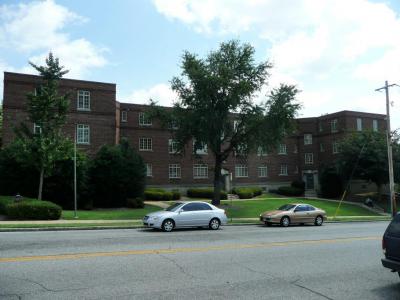
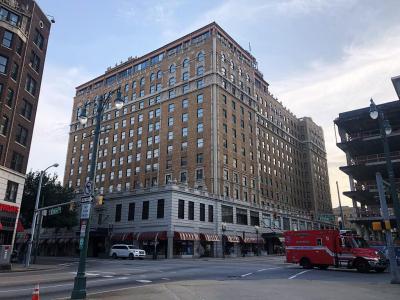
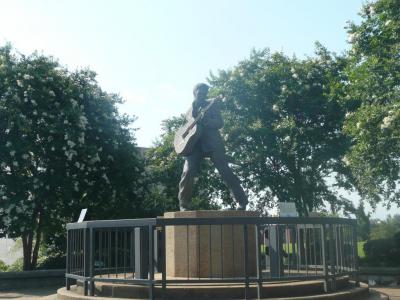
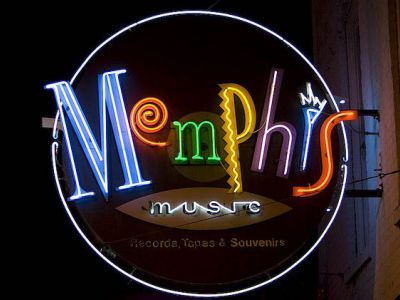
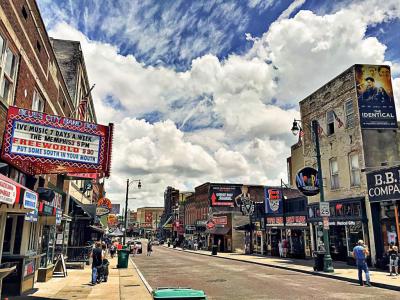
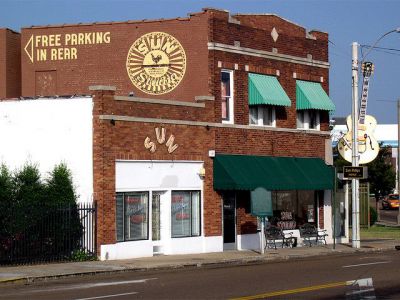
Walking this route, visitors move from Lauderdale Courts, where teenage Elvis practiced guitar, to the Peabody Hotel, home of Lansky Bros., the clothier linked to his sharp style. The route continues past the Memphis Music Hall of Fame, the Elvis statue, record shops, and Beale Street’s neon-lit music scene before reaching Sun Studio, the modest brick building where “That’s All Right” helped turn a Memphis teenager into the King of Rock ’n’ Roll.
Start the walk with the young Elvis in mind-not the global icon, but the shy teenager still listening, watching, and finding his voice. By the end, Memphis no longer feels like the city behind the Elvis story; it feels like the place where the story first learned to sing.
In the late 1940s and early 1950s, Memphis was one of America’s great musical crossroads. Gospel filled churches, blues pulsed through clubs and street corners, country sounds drifted in from the rural South, and rhythm and blues reached young listeners through radio and record shops. Elvis grew up absorbing all of it. He was not trained in a formal conservatory, but in the everyday music of the city-what he heard on the radio, in church, on the streets, and in the voices of black and white Southern performers.
As a teenager, Elvis stood out, though not yet as a star. He was shy, deeply attached to his family, and already developing a look that mixed thrift-store imagination with sharp personal instinct. His long hair, sideburns, colourful clothing, and love of music set him apart from many of his classmates. Memphis gave him room to become that version of himself before he fully understood what kind of performer he would become.
His breakthrough in the mid-1950s came from that Memphis mixture. Elvis did not invent rock ’n’ roll alone, and his success grew from traditions already rooted in the city and the wider South. What made him electrifying was the way he carried those influences through his voice, body, and stage presence. He sounded familiar and new at the same time, which made him both thrilling and controversial.
Even after fame carried him far beyond Memphis, the city remained central to his life. He returned between tours, recorded there, supported local causes, and made his home there. Since his death in 1977, Memphis has remained a kind of shrine to the King of Rock ’n’ Roll.
Walking this route, visitors move from Lauderdale Courts, where teenage Elvis practiced guitar, to the Peabody Hotel, home of Lansky Bros., the clothier linked to his sharp style. The route continues past the Memphis Music Hall of Fame, the Elvis statue, record shops, and Beale Street’s neon-lit music scene before reaching Sun Studio, the modest brick building where “That’s All Right” helped turn a Memphis teenager into the King of Rock ’n’ Roll.
Start the walk with the young Elvis in mind-not the global icon, but the shy teenager still listening, watching, and finding his voice. By the end, Memphis no longer feels like the city behind the Elvis story; it feels like the place where the story first learned to sing.
How it works: Download the app "GPSmyCity: Walks in 1K+ Cities" from Apple App Store or Google Play Store to your mobile phone or tablet. The app turns your mobile device into a personal tour guide and its built-in GPS navigation functions guide you from one tour stop to next. The app works offline, so no data plan is needed when traveling abroad.
Download The GPSmyCity App



Elvis Presley Walking Tour Map
Guide Name: Elvis Presley Walking Tour
Guide Location: USA » Memphis (See other walking tours in Memphis)
Guide Type: Self-guided Walking Tour (Sightseeing)
Tour Duration: 2 Hour(s)
Travel Distance: 3.5 Km or 2.2 Miles
Tour Best Suited For: In-depth exploration
Guide Location: USA » Memphis (See other walking tours in Memphis)
Guide Type: Self-guided Walking Tour (Sightseeing)
Tour Duration: 2 Hour(s)
Travel Distance: 3.5 Km or 2.2 Miles
Tour Best Suited For: In-depth exploration
Sights Featured in This Walk
Walking Tours in Memphis, Tennessee

Create Your Own Walk in Memphis
Creating your own self-guided walk in Memphis is easy and fun. Choose the city attractions that you want to see and a walk route map will be created just for you. You can even set your hotel as the start point of the walk.
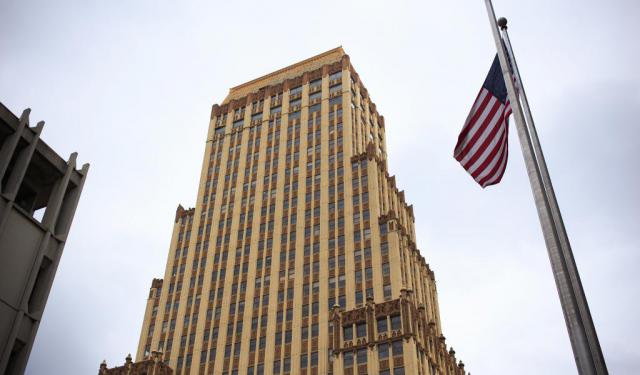
Historical Buildings Walking Tour
A substantial part of Memphis' heritage is manifested in its iconic buildings. By far more than just bricks and mortar, they are a history window through which one can observe the city's growth and development over the years. Here's a brief overview of some of these notable structures.
Harsson-Goyer-Lee House: This charming 19th-century mansion stands as a testament to... view more
Tour Duration: 2 Hour(s)
Travel Distance: 3.1 Km or 1.9 Miles
Harsson-Goyer-Lee House: This charming 19th-century mansion stands as a testament to... view more
Tour Duration: 2 Hour(s)
Travel Distance: 3.1 Km or 1.9 Miles
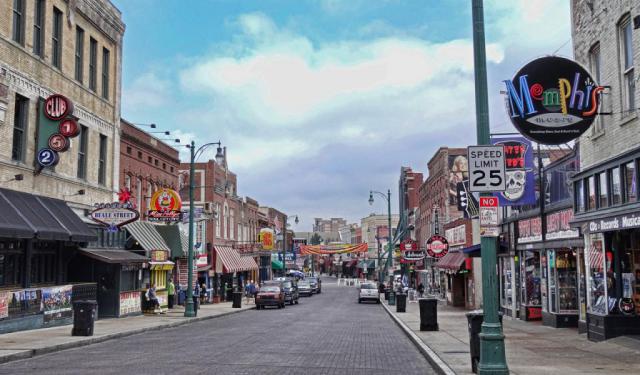
Memphis Beale Street Walking Tour
Memphis stands on the Chickasaw Bluffs above the Mississippi River, a flood-free position that shaped nearly every stage of its history. Long before the modern city was founded, the area was inhabited by Indigenous peoples and formed part of the Chickasaw homeland, valued for its river access, high ground, and links to inland routes. European contact began in the 16th century, when Spanish... view more
Tour Duration: 2 Hour(s)
Travel Distance: 2.4 Km or 1.5 Miles
Tour Duration: 2 Hour(s)
Travel Distance: 2.4 Km or 1.5 Miles
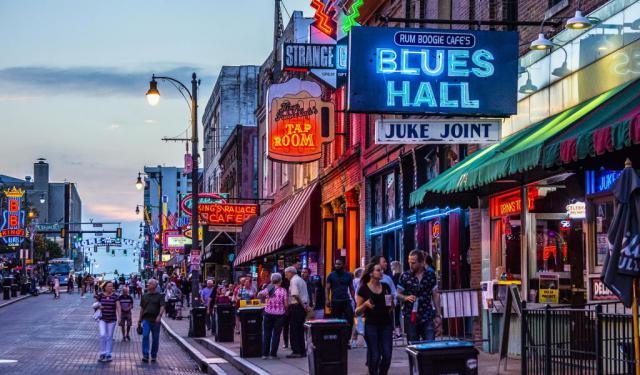
Memphis Blues Walking Tour
Bandleader W.C. Handy was waiting for a train in Tutwiler, Mississippi, around 1903 when he heard a man playing slide guitar with a knife and singing, “Goin’ where the Southern cross’ the Dog.” That strange, haunting sound stayed with him.
Memphis became one of the great homes of the blues because it stood at a crossroads: geographically, culturally, and musically. In the late 19th and... view more
Tour Duration: 2 Hour(s)
Travel Distance: 1.8 Km or 1.1 Miles
Memphis became one of the great homes of the blues because it stood at a crossroads: geographically, culturally, and musically. In the late 19th and... view more
Tour Duration: 2 Hour(s)
Travel Distance: 1.8 Km or 1.1 Miles
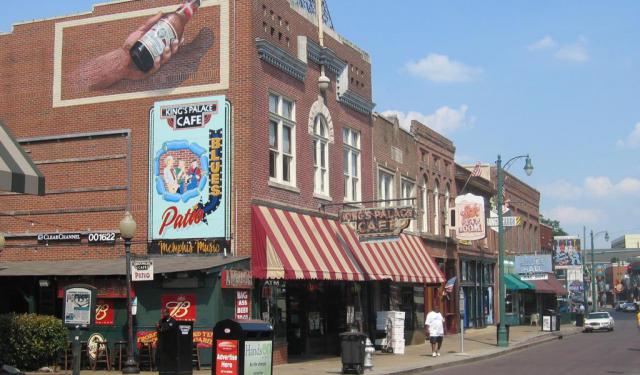
Memphis Downtown Walking Tour
Downtown is the oldest part of Memphis. This vibrant and culturally rich district is home to a variety of historical, artistic, and entertainment destinations that collectively reflect the unique heritage and spirit of the “blues city”.
One of the area's standout attractions is the Fire House Museum, a fascinating spot where visitors can explore the history of the city's fire... view more
Tour Duration: 2 Hour(s)
Travel Distance: 3.1 Km or 1.9 Miles
One of the area's standout attractions is the Fire House Museum, a fascinating spot where visitors can explore the history of the city's fire... view more
Tour Duration: 2 Hour(s)
Travel Distance: 3.1 Km or 1.9 Miles
The Most Popular Cities
/ view all