

Audio Guide: Memphis Blues Walking Tour (Self Guided), Memphis
Bandleader W.C. Handy was waiting for a train in Tutwiler, Mississippi, around 1903 when he heard a man playing slide guitar with a knife and singing, “Goin’ where the Southern cross’ the Dog.” That strange, haunting sound stayed with him.
Memphis became one of the great homes of the blues because it stood at a crossroads: geographically, culturally, and musically. In the late 19th and early 20th centuries, African American musicians from the Mississippi Delta, rural Tennessee, Arkansas, and other parts of the South came through the city, bringing field hollers, spirituals, work songs, ragtime, brass-band music, and guitar blues with them.
Beale Street became the centre of this story. By the early 1900s, it was the heart of Black commercial and entertainment life in Memphis, lined with clubs, theatres, cafés, shops, and music venues. It was here that W.C. Handy, later called the “Father of the Blues,” helped turn a regional folk sound into published, widely circulated music. Handy moved to Memphis in 1909 and worked on Beale Street; his “The Memphis Blues,” first published in 1912, helped introduce the blues form to a broader national audience. He later wrote “Beale Street Blues,” published in 1917, turning the street itself into a musical symbol.
Handy did not invent the blues, and that distinction matters. The music had deeper roots in Black Southern experience, shaped by hardship, migration, labour, humour, sorrow, and resilience. What Handy did was recognize its power, arrange it, publish it, and help carry it into theatres, dance halls, and parlours far beyond the South.
The city’s blues legacy continued through artists such as Memphis Minnie, Howlin’ Wolf, B.B. King, Bobby “Blue” Bland, and many others who passed through or performed around Beale Street. B.B. King later recalled that Beale Street was where everything began for him, and his “Beale Street Blues Boy” nickname was eventually shortened to B.B.
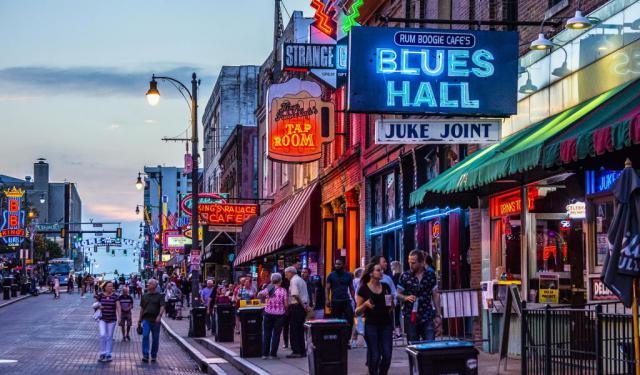
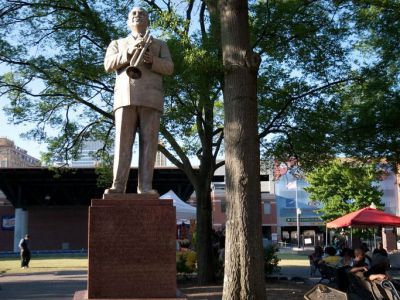
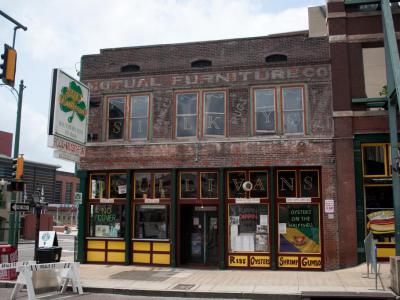
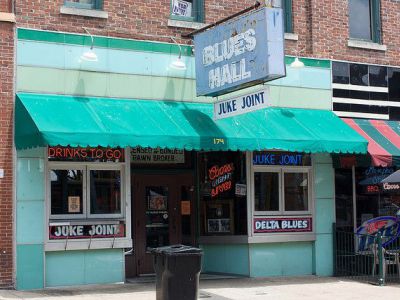
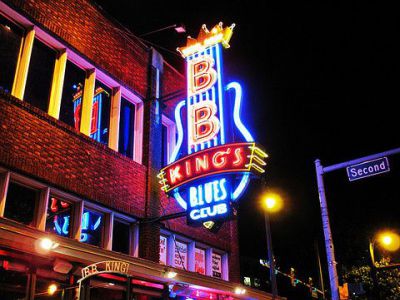
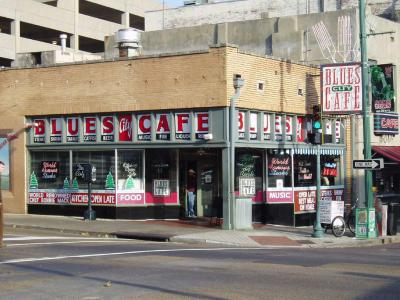
Walking through the Beale Street Historic District, visitors pass straight through the city’s blues memory. Neon signs, music clubs, souvenir shops, old theatre fronts, and bronze tributes still share the street with the sound of live bands drifting from doorways and stages. Around the W.C. Handy statue, B.B. King’s Blues Club, the Rock ’n’ Soul Museum, and nearby blues landmarks, Beale Street feels like a stage that never fully went quiet.
As you move along Beale Street, pause for a moment and listen-not just to the band playing nearby, but to the layers behind the sound. Somewhere in that mix of guitar, brass, voices, and street noise, you may catch the echo of Handy’s train-station moment: the start of a musical road that eventually led straight to Memphis.
Memphis became one of the great homes of the blues because it stood at a crossroads: geographically, culturally, and musically. In the late 19th and early 20th centuries, African American musicians from the Mississippi Delta, rural Tennessee, Arkansas, and other parts of the South came through the city, bringing field hollers, spirituals, work songs, ragtime, brass-band music, and guitar blues with them.
Beale Street became the centre of this story. By the early 1900s, it was the heart of Black commercial and entertainment life in Memphis, lined with clubs, theatres, cafés, shops, and music venues. It was here that W.C. Handy, later called the “Father of the Blues,” helped turn a regional folk sound into published, widely circulated music. Handy moved to Memphis in 1909 and worked on Beale Street; his “The Memphis Blues,” first published in 1912, helped introduce the blues form to a broader national audience. He later wrote “Beale Street Blues,” published in 1917, turning the street itself into a musical symbol.
Handy did not invent the blues, and that distinction matters. The music had deeper roots in Black Southern experience, shaped by hardship, migration, labour, humour, sorrow, and resilience. What Handy did was recognize its power, arrange it, publish it, and help carry it into theatres, dance halls, and parlours far beyond the South.
The city’s blues legacy continued through artists such as Memphis Minnie, Howlin’ Wolf, B.B. King, Bobby “Blue” Bland, and many others who passed through or performed around Beale Street. B.B. King later recalled that Beale Street was where everything began for him, and his “Beale Street Blues Boy” nickname was eventually shortened to B.B.
Walking through the Beale Street Historic District, visitors pass straight through the city’s blues memory. Neon signs, music clubs, souvenir shops, old theatre fronts, and bronze tributes still share the street with the sound of live bands drifting from doorways and stages. Around the W.C. Handy statue, B.B. King’s Blues Club, the Rock ’n’ Soul Museum, and nearby blues landmarks, Beale Street feels like a stage that never fully went quiet.
As you move along Beale Street, pause for a moment and listen-not just to the band playing nearby, but to the layers behind the sound. Somewhere in that mix of guitar, brass, voices, and street noise, you may catch the echo of Handy’s train-station moment: the start of a musical road that eventually led straight to Memphis.
How it works: Download the app "GPSmyCity: Walks in 1K+ Cities" from Apple App Store or Google Play Store to your mobile phone or tablet. The app turns your mobile device into a personal tour guide and its built-in GPS navigation functions guide you from one tour stop to next. The app works offline, so no data plan is needed when traveling abroad.
Download The GPSmyCity App



Memphis Blues Walking Tour Map
Guide Name: Memphis Blues Walking Tour
Guide Location: USA » Memphis (See other walking tours in Memphis)
Guide Type: Self-guided Walking Tour (Sightseeing)
Tour Duration: 2 Hour(s)
Travel Distance: 1.8 Km or 1.1 Miles
Tour Best Suited For: In-depth exploration
Guide Location: USA » Memphis (See other walking tours in Memphis)
Guide Type: Self-guided Walking Tour (Sightseeing)
Tour Duration: 2 Hour(s)
Travel Distance: 1.8 Km or 1.1 Miles
Tour Best Suited For: In-depth exploration
Sights Featured in This Walk



Walking Tours in Memphis, Tennessee

Create Your Own Walk in Memphis
Creating your own self-guided walk in Memphis is easy and fun. Choose the city attractions that you want to see and a walk route map will be created just for you. You can even set your hotel as the start point of the walk.
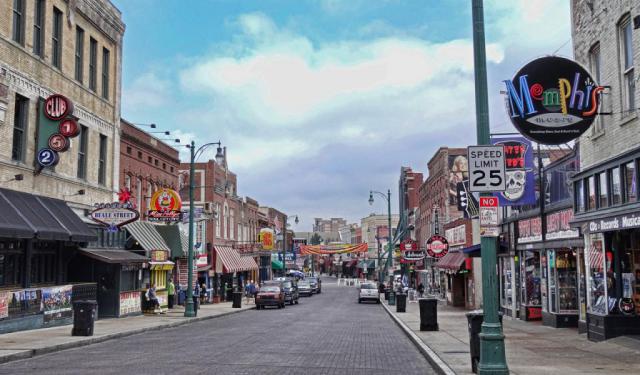
Memphis Beale Street Walking Tour
Memphis stands on the Chickasaw Bluffs above the Mississippi River, a flood-free position that shaped nearly every stage of its history. Long before the modern city was founded, the area was inhabited by Indigenous peoples and formed part of the Chickasaw homeland, valued for its river access, high ground, and links to inland routes. European contact began in the 16th century, when Spanish... view more
Tour Duration: 2 Hour(s)
Travel Distance: 2.4 Km or 1.5 Miles
Tour Duration: 2 Hour(s)
Travel Distance: 2.4 Km or 1.5 Miles
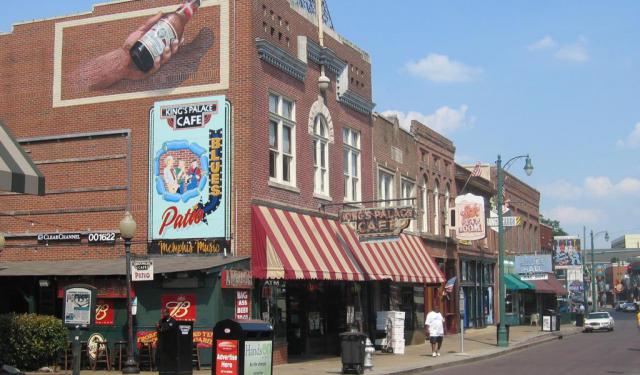
Memphis Downtown Walking Tour
Downtown is the oldest part of Memphis. This vibrant and culturally rich district is home to a variety of historical, artistic, and entertainment destinations that collectively reflect the unique heritage and spirit of the “blues city”.
One of the area's standout attractions is the Fire House Museum, a fascinating spot where visitors can explore the history of the city's fire... view more
Tour Duration: 2 Hour(s)
Travel Distance: 3.1 Km or 1.9 Miles
One of the area's standout attractions is the Fire House Museum, a fascinating spot where visitors can explore the history of the city's fire... view more
Tour Duration: 2 Hour(s)
Travel Distance: 3.1 Km or 1.9 Miles
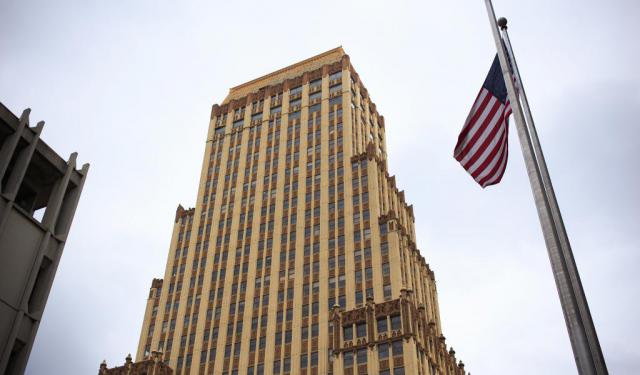
Historical Buildings Walking Tour
A substantial part of Memphis' heritage is manifested in its iconic buildings. By far more than just bricks and mortar, they are a history window through which one can observe the city's growth and development over the years. Here's a brief overview of some of these notable structures.
Harsson-Goyer-Lee House: This charming 19th-century mansion stands as a testament to... view more
Tour Duration: 2 Hour(s)
Travel Distance: 3.1 Km or 1.9 Miles
Harsson-Goyer-Lee House: This charming 19th-century mansion stands as a testament to... view more
Tour Duration: 2 Hour(s)
Travel Distance: 3.1 Km or 1.9 Miles
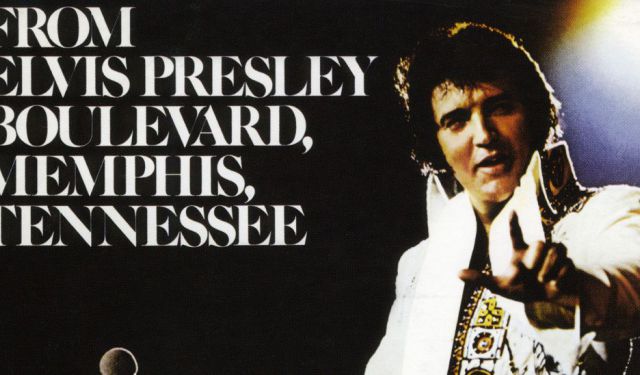
Elvis Presley Walking Tour
Elvis Presley was born in Tupelo, Mississippi, but Memphis became the city that shaped him. Among all the celebrities associated with Memphis, Elvis remains the one most people think of first. He arrived in the city with his parents in 1948, at the age of 13, when the family was searching for better opportunities.
In the late 1940s and early 1950s, Memphis was one of America’s great musical... view more
Tour Duration: 2 Hour(s)
Travel Distance: 3.5 Km or 2.2 Miles
In the late 1940s and early 1950s, Memphis was one of America’s great musical... view more
Tour Duration: 2 Hour(s)
Travel Distance: 3.5 Km or 2.2 Miles
The Most Popular Cities
/ view all