

Audio Guide: Memphis Introduction Walking Tour (Self Guided), Memphis
Memphis stands on the Chickasaw Bluffs above the Mississippi River, a flood-free position that shaped nearly every stage of its history. Long before the modern city was founded, the area was inhabited by Indigenous peoples and formed part of the Chickasaw homeland, valued for its river access, high ground, and links to inland routes. European contact began in the 16th century, when Spanish explorer Hernando de Soto’s expedition reached the region.
The present city was founded on May 22, 1819. It was incorporated in 1826 and planned as a river city with a regular street grid and public squares. Its name was borrowed from ancient Memphis in Egypt, a capital on the Nile River, giving the new settlement a symbolic link to another great river civilisation.
During the 19th century, Memphis grew into a major centre of cotton, river trade, rail transport, warehousing, and brokerage. Its prosperity was closely tied to the plantation economy of the Mississippi Delta, and therefore to slavery. During the Civil War, it served as a Confederate military centre before Union forces captured it in 1862. After the war, Memphis remained a commercial hub, though yellow fever epidemics in the 1870s devastated the population and led to the temporary loss of its city charter.
In the 20th century, Memphis became one of America’s great music cities. Beale Street helped shape the blues, while Sun Studio, Stax Records, and Graceland connected the city to rock ’n’ roll, soul, gospel, rhythm and blues, country, and later hip-hop. Artists associated with Memphis and the surrounding region include Elvis Presley, B. B. King, Johnny Cash, and Aretha Franklin, to name only a few.
Memphis also played a central role in the civil rights movement. In 1968, Martin Luther King Jr. came to support striking sanitation workers and was assassinated at the Lorraine Motel, now part of the National Civil Rights Museum.
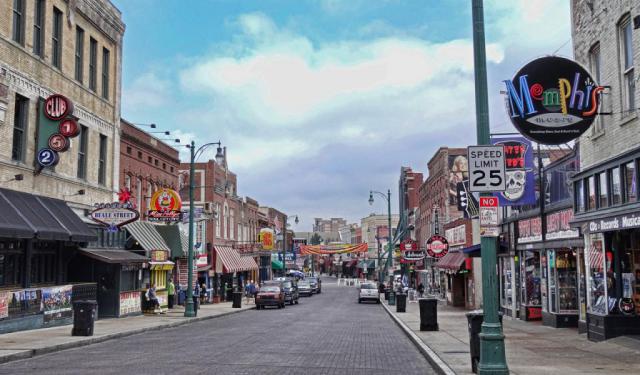
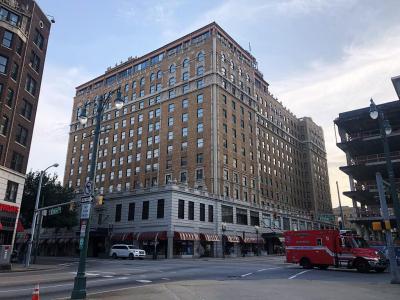
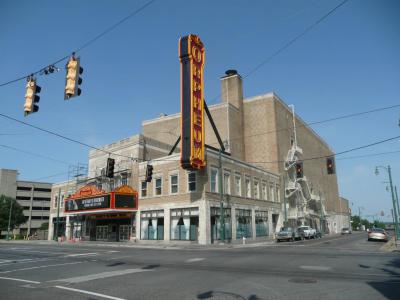
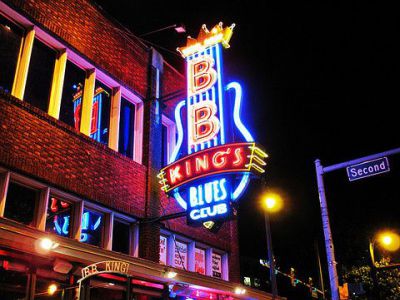
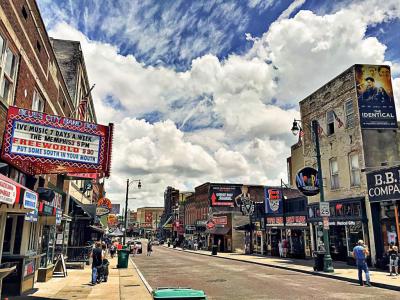
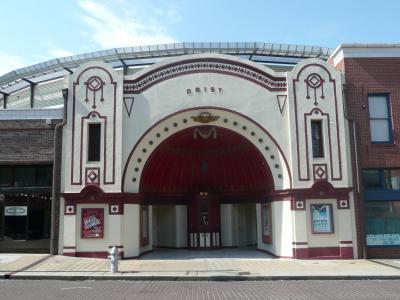
Walking through downtown Memphis, visitors encounter a mix of riverfront views, music heritage, historic theatres, and lively street life. Beale Street brings neon signs, brick façades, blues clubs, and the sound of live music, with landmarks such as B. B. King’s Blues Club and the Old Daisy Theatre adding to its musical character. Nearby, the elegant Orpheum Theatre and the grand Peabody Hotel show another side of the city centre, while views toward the Mississippi River keep Memphis tied to the waterway that shaped its history.
So, as you begin this walk, take a moment to look toward the Mississippi and remember that Memphis was named for a city on the Nile but found its own voice on these bluffs. Then follow that voice into downtown—through its theatres, music streets, river views, and places of memory—one street, one song, and one story at a time.
The present city was founded on May 22, 1819. It was incorporated in 1826 and planned as a river city with a regular street grid and public squares. Its name was borrowed from ancient Memphis in Egypt, a capital on the Nile River, giving the new settlement a symbolic link to another great river civilisation.
During the 19th century, Memphis grew into a major centre of cotton, river trade, rail transport, warehousing, and brokerage. Its prosperity was closely tied to the plantation economy of the Mississippi Delta, and therefore to slavery. During the Civil War, it served as a Confederate military centre before Union forces captured it in 1862. After the war, Memphis remained a commercial hub, though yellow fever epidemics in the 1870s devastated the population and led to the temporary loss of its city charter.
In the 20th century, Memphis became one of America’s great music cities. Beale Street helped shape the blues, while Sun Studio, Stax Records, and Graceland connected the city to rock ’n’ roll, soul, gospel, rhythm and blues, country, and later hip-hop. Artists associated with Memphis and the surrounding region include Elvis Presley, B. B. King, Johnny Cash, and Aretha Franklin, to name only a few.
Memphis also played a central role in the civil rights movement. In 1968, Martin Luther King Jr. came to support striking sanitation workers and was assassinated at the Lorraine Motel, now part of the National Civil Rights Museum.
Walking through downtown Memphis, visitors encounter a mix of riverfront views, music heritage, historic theatres, and lively street life. Beale Street brings neon signs, brick façades, blues clubs, and the sound of live music, with landmarks such as B. B. King’s Blues Club and the Old Daisy Theatre adding to its musical character. Nearby, the elegant Orpheum Theatre and the grand Peabody Hotel show another side of the city centre, while views toward the Mississippi River keep Memphis tied to the waterway that shaped its history.
So, as you begin this walk, take a moment to look toward the Mississippi and remember that Memphis was named for a city on the Nile but found its own voice on these bluffs. Then follow that voice into downtown—through its theatres, music streets, river views, and places of memory—one street, one song, and one story at a time.
How it works: Download the app "GPSmyCity: Walks in 1K+ Cities" from Apple App Store or Google Play Store to your mobile phone or tablet. The app turns your mobile device into a personal tour guide and its built-in GPS navigation functions guide you from one tour stop to next. The app works offline, so no data plan is needed when traveling abroad.
Download The GPSmyCity App



Memphis Introduction Walking Tour Map
Guide Name: Memphis Introduction Walking Tour
Guide Location: USA » Memphis (See other walking tours in Memphis)
Guide Type: Self-guided Walking Tour (Sightseeing)
Tour Duration: 2 Hour(s)
Travel Distance: 2.4 Km or 1.5 Miles
Guide Location: USA » Memphis (See other walking tours in Memphis)
Guide Type: Self-guided Walking Tour (Sightseeing)
Tour Duration: 2 Hour(s)
Travel Distance: 2.4 Km or 1.5 Miles
Sights Featured in This Walk
1) Peabody Hotel (must see)
3) Orpheum Theatre (must see)
5) Beale Street (must see)
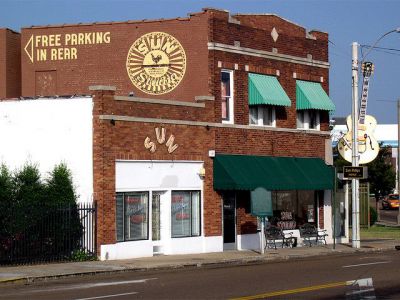
9) Sun Studio (must see)
Walking Tours in Memphis, Tennessee

Create Your Own Walk in Memphis
Creating your own self-guided walk in Memphis is easy and fun. Choose the city attractions that you want to see and a walk route map will be created just for you. You can even set your hotel as the start point of the walk.
Elvis Presley Walking Tour
Elvis Presley was born in Tupelo, Mississippi, but Memphis became the city that shaped him. Among all the celebrities associated with Memphis, Elvis remains the one most people think of first. He arrived in the city with his parents in 1948, at the age of 13, when the family was searching for better opportunities.
In the late 1940s and early 1950s, Memphis was one of America’s great musical... view more
Tour Duration: 2 Hour(s)
Travel Distance: 3.5 Km or 2.2 Miles
In the late 1940s and early 1950s, Memphis was one of America’s great musical... view more
Tour Duration: 2 Hour(s)
Travel Distance: 3.5 Km or 2.2 Miles
Memphis Blues Walking Tour
Bandleader W.C. Handy was waiting for a train in Tutwiler, Mississippi, around 1903 when he heard a man playing slide guitar with a knife and singing, “Goin’ where the Southern cross’ the Dog.” That strange, haunting sound stayed with him.
Memphis became one of the great homes of the blues because it stood at a crossroads: geographically, culturally, and musically. In the late 19th and... view more
Tour Duration: 2 Hour(s)
Travel Distance: 1.8 Km or 1.1 Miles
Memphis became one of the great homes of the blues because it stood at a crossroads: geographically, culturally, and musically. In the late 19th and... view more
Tour Duration: 2 Hour(s)
Travel Distance: 1.8 Km or 1.1 Miles
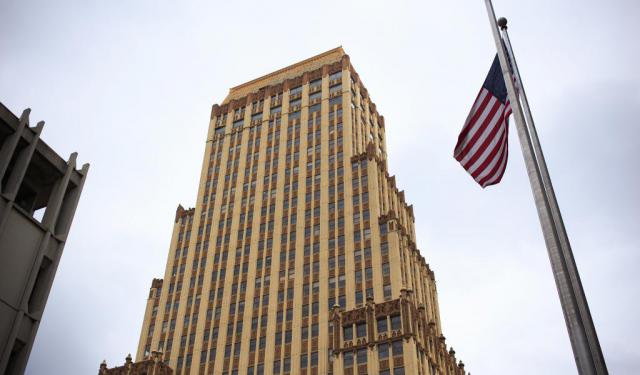
Historical Buildings Walking Tour
A substantial part of Memphis' heritage is manifested in its iconic buildings. By far more than just bricks and mortar, they are a history window through which one can observe the city's growth and development over the years. Here's a brief overview of some of these notable structures.
Harsson-Goyer-Lee House: This charming 19th-century mansion stands as a testament to... view more
Tour Duration: 2 Hour(s)
Travel Distance: 3.1 Km or 1.9 Miles
Harsson-Goyer-Lee House: This charming 19th-century mansion stands as a testament to... view more
Tour Duration: 2 Hour(s)
Travel Distance: 3.1 Km or 1.9 Miles
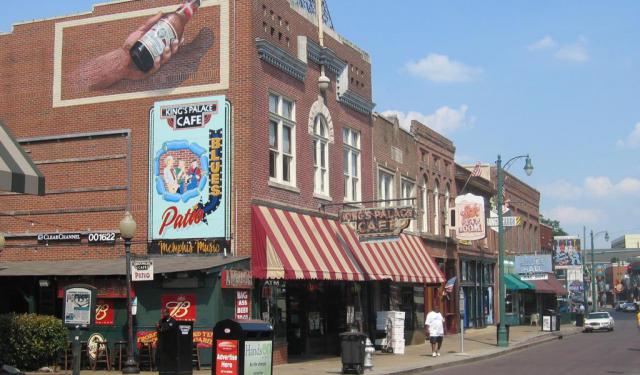
Memphis Downtown Walking Tour
Downtown is the oldest part of Memphis. This vibrant and culturally rich district is home to a variety of historical, artistic, and entertainment destinations that collectively reflect the unique heritage and spirit of the “blues city”.
One of the area's standout attractions is the Fire House Museum, a fascinating spot where visitors can explore the history of the city's fire... view more
Tour Duration: 2 Hour(s)
Travel Distance: 3.1 Km or 1.9 Miles
One of the area's standout attractions is the Fire House Museum, a fascinating spot where visitors can explore the history of the city's fire... view more
Tour Duration: 2 Hour(s)
Travel Distance: 3.1 Km or 1.9 Miles
The Most Popular Cities
/ view all