

Audio Guide: Mumbai's Historical Churches (Self Guided), Mumbai
The seven islands that later formed Mumbai were originally inhabited by Marathi-speaking Koli fishing communities, whose primary religion was Hinduism. Over time, the city’s strategic coastal position attracted traders and settlers from across the Indian Ocean world. Muslim communities became established through maritime trade and later expanded during the period of Mughal influence. Today, roughly 20% of Mumbai’s population identifies as Muslim.
When the Portuguese took control of the region in 1534, they promoted Roman Catholicism and built churches throughout their territories. Later, under British rule, Christianity continued to spread as the city developed into a major colonial port. In the early 19th century, members of the Baghdadi Jewish community arrived in Bombay, many fleeing persecution and economic restrictions in Iraq. As a result of these historical waves of migration and rule, Mumbai today remains a city where many religions coexist side by side.
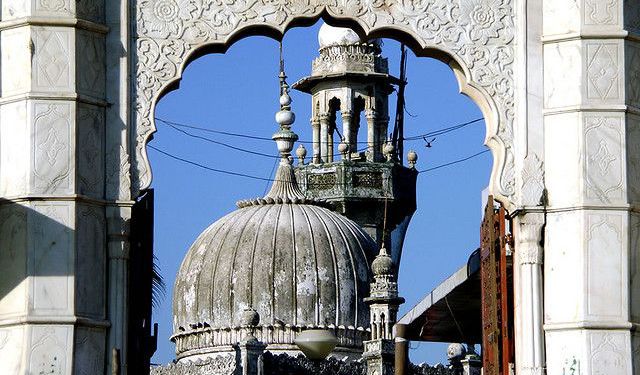
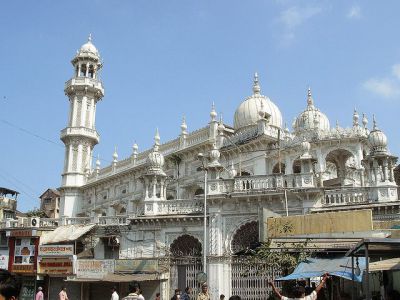
The ancient Mumba Devi Temple, dedicated to the city’s patron goddess after whom Mumbai takes its name, has long been an important center of worship. The Jumma Masjid is one of the city’s oldest mosques. Built around a central tank, the mosque’s elegant Mughal-influenced architecture and calm courtyard provide a peaceful setting for prayer amid the surrounding commercial district.
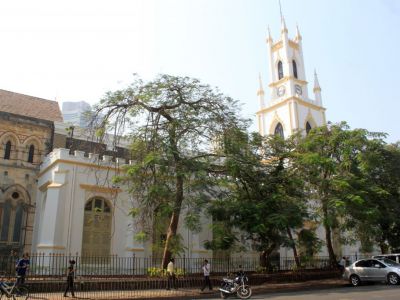
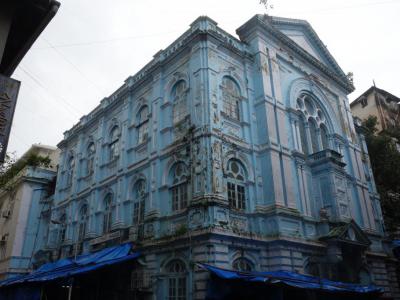
Meanwhile, Saint Thomas’ Cathedral is one of the oldest British buildings in the city. Completed in 1718, the cathedral serves as the seat of the Anglican Diocese of Mumbai. In the Kala Ghoda district stands the Keneseth Eliyahoo Synagogue, completed in 1884. Its blue façade and richly decorated interiors reflect the legacy of Mumbai’s Baghdadi Jewish community and remain an important symbol of the city’s Jewish heritage.
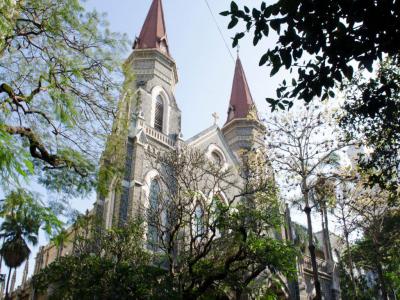
Another prominent Christian landmark is the Holy Name Cathedral in Colaba. Built between 1902 and 1905, this Romanesque Revival cathedral serves as the seat of the Roman Catholic Archdiocese of Bombay and is known for its ornate interior and stained-glass windows.
Together, these sacred sites illustrate the remarkable religious diversity that has shaped Mumbai over centuries. Hindu temples, mosques, churches, and synagogues stand within the same cityscape, reflecting the layered cultural history of this dynamic Indian metropolis and offering visitors a glimpse into its enduring traditions of faith and coexistence.
When the Portuguese took control of the region in 1534, they promoted Roman Catholicism and built churches throughout their territories. Later, under British rule, Christianity continued to spread as the city developed into a major colonial port. In the early 19th century, members of the Baghdadi Jewish community arrived in Bombay, many fleeing persecution and economic restrictions in Iraq. As a result of these historical waves of migration and rule, Mumbai today remains a city where many religions coexist side by side.
The ancient Mumba Devi Temple, dedicated to the city’s patron goddess after whom Mumbai takes its name, has long been an important center of worship. The Jumma Masjid is one of the city’s oldest mosques. Built around a central tank, the mosque’s elegant Mughal-influenced architecture and calm courtyard provide a peaceful setting for prayer amid the surrounding commercial district.
Meanwhile, Saint Thomas’ Cathedral is one of the oldest British buildings in the city. Completed in 1718, the cathedral serves as the seat of the Anglican Diocese of Mumbai. In the Kala Ghoda district stands the Keneseth Eliyahoo Synagogue, completed in 1884. Its blue façade and richly decorated interiors reflect the legacy of Mumbai’s Baghdadi Jewish community and remain an important symbol of the city’s Jewish heritage.
Another prominent Christian landmark is the Holy Name Cathedral in Colaba. Built between 1902 and 1905, this Romanesque Revival cathedral serves as the seat of the Roman Catholic Archdiocese of Bombay and is known for its ornate interior and stained-glass windows.
Together, these sacred sites illustrate the remarkable religious diversity that has shaped Mumbai over centuries. Hindu temples, mosques, churches, and synagogues stand within the same cityscape, reflecting the layered cultural history of this dynamic Indian metropolis and offering visitors a glimpse into its enduring traditions of faith and coexistence.
How it works: Download the app "GPSmyCity: Walks in 1K+ Cities" from Apple App Store or Google Play Store to your mobile phone or tablet. The app turns your mobile device into a personal tour guide and its built-in GPS navigation functions guide you from one tour stop to next. The app works offline, so no data plan is needed when traveling abroad.
Download The GPSmyCity App



Mumbai's Historical Churches Map
Guide Name: Mumbai's Historical Churches
Guide Location: India » Mumbai (See other walking tours in Mumbai)
Guide Type: Self-guided Walking Tour (Sightseeing)
Tour Duration: 2 Hours
Travel Distance: 3.8 Km or 2.4 Miles
Tour Best Suited For: Spiritual minded
Guide Location: India » Mumbai (See other walking tours in Mumbai)
Guide Type: Self-guided Walking Tour (Sightseeing)
Tour Duration: 2 Hours
Travel Distance: 3.8 Km or 2.4 Miles
Tour Best Suited For: Spiritual minded
Sights Featured in This Walk
2) Jumma Masjid (must see)
Walking Tours in Mumbai, India

Create Your Own Walk in Mumbai
Creating your own self-guided walk in Mumbai is easy and fun. Choose the city attractions that you want to see and a walk route map will be created just for you. You can even set your hotel as the start point of the walk.
Malabar Hill Walking Tour
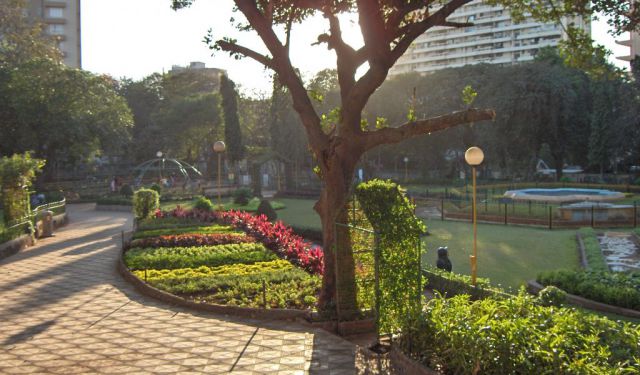
When the American writer Mark Twain arrived in Bombay during his world lecture tour, the view from Malabar Hill left a strong impression. In his travel book “Following the Equator”, he admired the city’s coastal setting, describing Mumbai as “by far the handsomest city in India”.
Malabar Hill is one of Mumbai’s most historic and prestigious neighborhoods, rising above the western... view more
Tour Duration: 2 Hours
Travel Distance: 3.4 Km or 2.1 Miles
Malabar Hill is one of Mumbai’s most historic and prestigious neighborhoods, rising above the western... view more
Tour Duration: 2 Hours
Travel Distance: 3.4 Km or 2.1 Miles
Mumbai Downtown Walking Tour
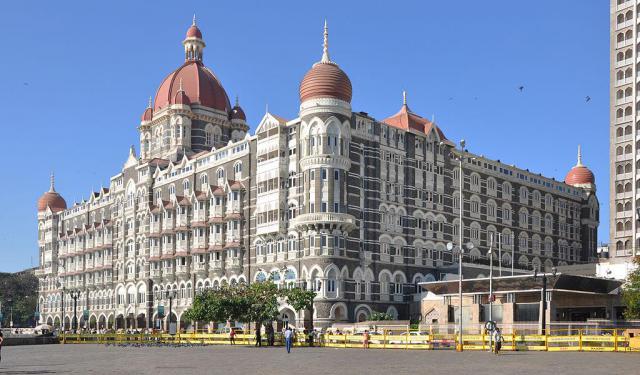
English writer Rudyard Kipling, who was born in Bombay in 1865, famously called it “the Mother of Cities”, a place that absorbs people from everywhere and keeps giving birth to new lives, ambitions, and contradictions.
Long before it became India’s largest city, the area consisted of seven low-lying islands along the Konkan coast, inhabited by fishing communities known as the Kolis.... view more
Tour Duration: 2 Hours
Travel Distance: 3.9 Km or 2.4 Miles
Long before it became India’s largest city, the area consisted of seven low-lying islands along the Konkan coast, inhabited by fishing communities known as the Kolis.... view more
Tour Duration: 2 Hours
Travel Distance: 3.9 Km or 2.4 Miles
Useful Travel Guides for Planning Your Trip

Mumbai Shopping: 16 Souvenir Ideas for Travelers
In India, a foreigner can't get far without insider knowledge, whether it's for souvenir shopping or something else. Mumbai (formerly known as Bombay) is by far the most popular and the largest of Indian cities, teeming with a plethora of things representative of India's millenia-long...
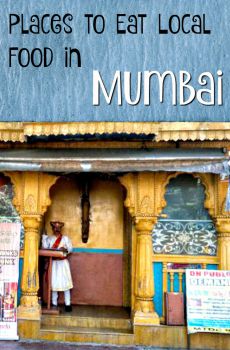
Places to Eat Local Food in Mumbai
As its said, in a city like Mumbai, anybody wanting a good meal any time of the day, there’s always a rush and a stomach will always be fed. Whether its a quick bite or to indulge yourself, there is a plethora of tastes and flavours, 24/7, vying to satiate your taste buds. Multifaceted,...
The Most Popular Cities
/ view all