

Audio Guide: Valletta Introduction Walking Tour (Self Guided), Valletta
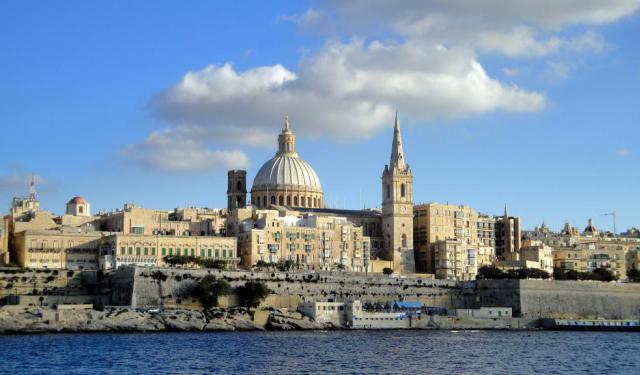
‘A fortress from end to end,’ Sir Walter Scott remarked, and, as you begin to wander through Valletta, the capital city of Malta, you will understand why.
Malta’s central location made it a prized possession for successive Mediterranean powers. The Phoenicians colonized the islands around 800 BC. They were followed by the Carthaginians and then the Romans. Under Roman rule, Christianity took root-traditionally associated with the shipwreck of St. Paul in 60 AD.
Valletta was founded in 1566, in the aftermath of the Great Siege of 1565, when the Ottoman Empire attempted to seize Malta. The Knights of St. John, triumphant against overwhelming odds, entrusted Grand Master Jean Parisot de Valette with creating a fortified city to defend the island. In tribute to him, the city took his name-Valletta, or Il-Belt Valletta in Maltese, meaning the City of Valletta.
From the outset, Valletta was designed with both defense and civic order in mind. Streets intersect at right angles, forming a precise grid, while high walls and bastions frame the urban core. Within those fortifications rise palaces, churches, and auberges, built with care and artistry. The Sacra Infermeria, renowned in its day for advanced medical care, exemplifies the Knights’ vision of a city as both functional and refined.
Under British rule from 1814, Valletta retained its role as capital and naval hub. During World War II, the city endured heavy bombing, yet its streets and buildings were rebuilt, reflecting the same resilience that had defined the Knights’ era. After Malta gained independence in 1964, Valletta became the seat of government and a focal point of national identity, while also earning recognition as a UNESCO World Heritage Site for its architectural heritage and early modern urban planning.
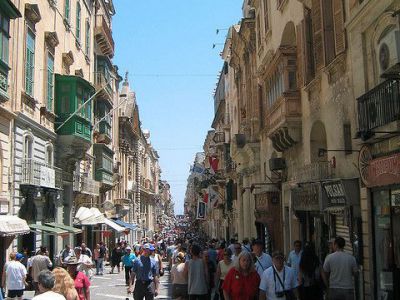
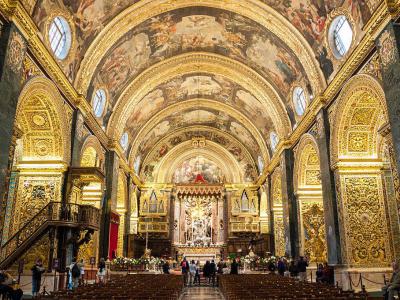
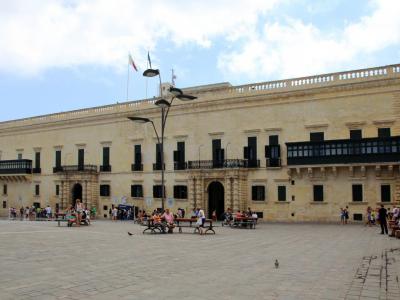
Today, as you walk through the city center, you will see narrow streets lined with golden limestone buildings and traditional wooden balconies. You will find St. John’s Co-Cathedral, the Grand Master’s Palace, and Republic Street, a lively stretch of shops and small museums. Don’t miss the Upper Barrakka Gardens, where terraces overlook the Grand Harbour, and notice how statues, fountains, and historic façades reflect Valletta’s blend of military, religious, and civic life.
As Sir Scott observed, Valletta is a fortress from end to end-but in its streets and gardens, it also invites you to explore its enduring history and hidden stories.
Malta’s central location made it a prized possession for successive Mediterranean powers. The Phoenicians colonized the islands around 800 BC. They were followed by the Carthaginians and then the Romans. Under Roman rule, Christianity took root-traditionally associated with the shipwreck of St. Paul in 60 AD.
Valletta was founded in 1566, in the aftermath of the Great Siege of 1565, when the Ottoman Empire attempted to seize Malta. The Knights of St. John, triumphant against overwhelming odds, entrusted Grand Master Jean Parisot de Valette with creating a fortified city to defend the island. In tribute to him, the city took his name-Valletta, or Il-Belt Valletta in Maltese, meaning the City of Valletta.
From the outset, Valletta was designed with both defense and civic order in mind. Streets intersect at right angles, forming a precise grid, while high walls and bastions frame the urban core. Within those fortifications rise palaces, churches, and auberges, built with care and artistry. The Sacra Infermeria, renowned in its day for advanced medical care, exemplifies the Knights’ vision of a city as both functional and refined.
Under British rule from 1814, Valletta retained its role as capital and naval hub. During World War II, the city endured heavy bombing, yet its streets and buildings were rebuilt, reflecting the same resilience that had defined the Knights’ era. After Malta gained independence in 1964, Valletta became the seat of government and a focal point of national identity, while also earning recognition as a UNESCO World Heritage Site for its architectural heritage and early modern urban planning.
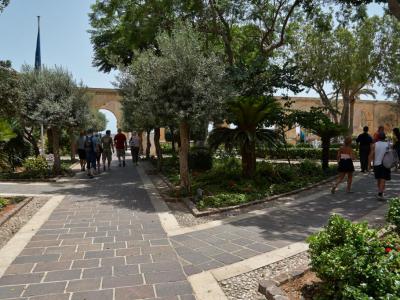
Today, as you walk through the city center, you will see narrow streets lined with golden limestone buildings and traditional wooden balconies. You will find St. John’s Co-Cathedral, the Grand Master’s Palace, and Republic Street, a lively stretch of shops and small museums. Don’t miss the Upper Barrakka Gardens, where terraces overlook the Grand Harbour, and notice how statues, fountains, and historic façades reflect Valletta’s blend of military, religious, and civic life.
As Sir Scott observed, Valletta is a fortress from end to end-but in its streets and gardens, it also invites you to explore its enduring history and hidden stories.
How it works: Download the app "GPSmyCity: Walks in 1K+ Cities" from Apple App Store or Google Play Store to your mobile phone or tablet. The app turns your mobile device into a personal tour guide and its built-in GPS navigation functions guide you from one tour stop to next. The app works offline, so no data plan is needed when traveling abroad.
Download The GPSmyCity App



Valletta Introduction Walking Tour Map
Guide Name: Valletta Introduction Walking Tour
Guide Location: Malta » Valletta (See other walking tours in Valletta)
Guide Type: Self-guided Walking Tour (Sightseeing)
Tour Duration: 2 Hour(s)
Travel Distance: 2.8 Km or 1.7 Miles
Guide Location: Malta » Valletta (See other walking tours in Valletta)
Guide Type: Self-guided Walking Tour (Sightseeing)
Tour Duration: 2 Hour(s)
Travel Distance: 2.8 Km or 1.7 Miles
Sights Featured in This Walk
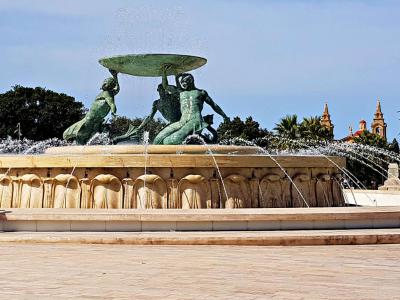
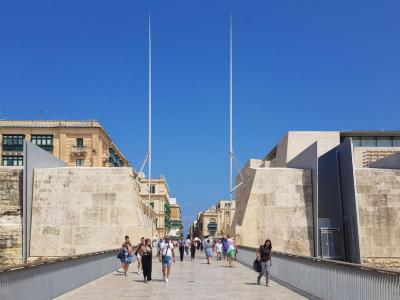
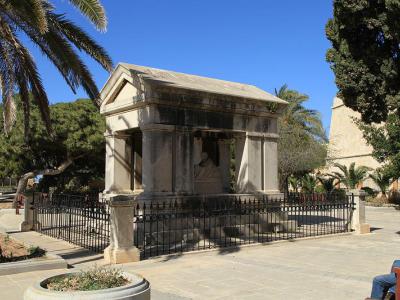
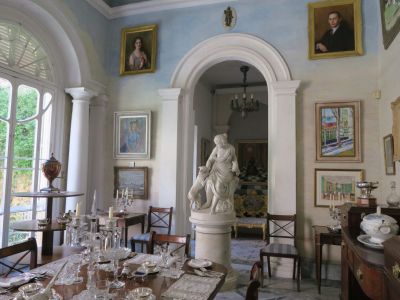
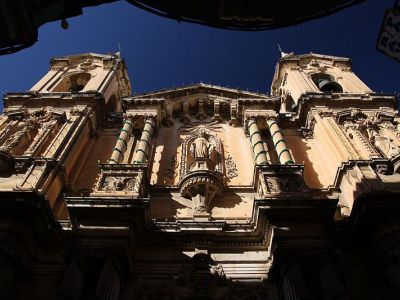
8) Casa Rocca Piccola (must see)
Walking Tours in Valletta, Malta

Create Your Own Walk in Valletta
Creating your own self-guided walk in Valletta is easy and fun. Choose the city attractions that you want to see and a walk route map will be created just for you. You can even set your hotel as the start point of the walk.
Valletta Architectural Landmarks Tour
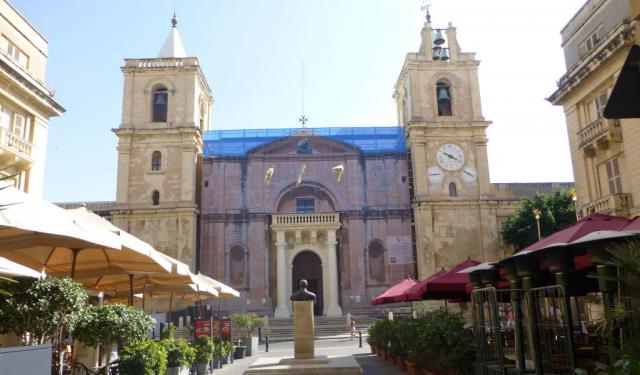
Following the Great Siege of Malta in 1565, the knights of the Order of St John set about creating a city ‘built by gentlemen, for gentlemen’. The end result saw the island's capital become home to an array of elaborate Baroque buildings, some reflecting Mannerist features borrowed from neighboring Italy.
Many of these architectural monuments have proudly withstood the test of time... view more
Tour Duration: 2 Hour(s)
Travel Distance: 2.0 Km or 1.2 Miles
Many of these architectural monuments have proudly withstood the test of time... view more
Tour Duration: 2 Hour(s)
Travel Distance: 2.0 Km or 1.2 Miles
The Most Popular Cities
/ view all