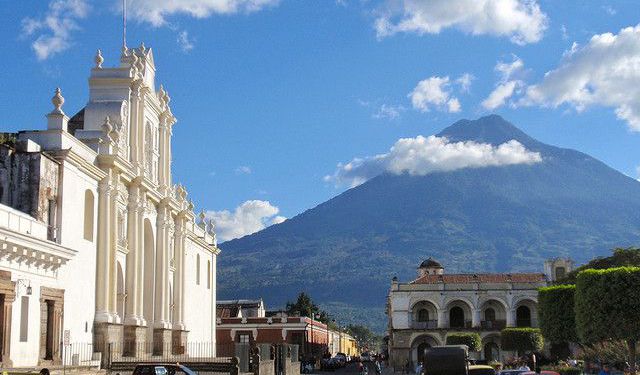


Audio Guide: A Walk in Antigua Old Town (Self Guided), Antigua
English writer Aldous Huxley wrote in his travel book Beyond the Mexique Bay that Antigua was "one of the most romantic cities in the world."
Antigua Guatemala is one of Latin America's best-preserved colonial cities and a testament to Spanish colonial architecture. Officially founded in 1543, it became the third capital of the Kingdom of Guatemala after two earlier capitals had been abandoned because of natural disasters and conflict. From this strategically important city, Spain administered a vast territory that included present-day Guatemala, Belize, El Salvador, Honduras, Nicaragua, Costa Rica, and the Mexican state of Chiapas.
The name Antigua Guatemala literally means "Old Guatemala." It was adopted after the colonial capital was relocated following the catastrophic Saint Martha earthquakes of 1773. The former capital became known simply as "The Old Guatemala" to distinguish it from the newly established capital, present-day Guatemala City.
During the 16th, 17th, and early 18th centuries, Antigua flourished as one of the wealthiest and most influential cities in Spanish America. Its broad, grid-patterned streets were lined with magnificent churches, convents, monasteries, government palaces, and elegant residences. Religious orders such as the Dominicans, Franciscans, Mercedarians, Jesuits, and Capuchins built impressive monasteries that became centers of education, missionary work, and artistic production.
Despite its prosperity, Antigua's history was repeatedly shaped by earthquakes. Although the city declined due to losing its status as capital after the 1773 earthquake, local residents gradually repopulated it during the 19th century, preserving many of its surviving colonial buildings instead of replacing them with modern construction. Extensive restoration efforts throughout the 20th century transformed Antigua into one of Central America's premier cultural destinations.
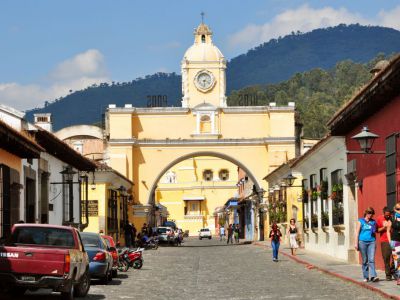
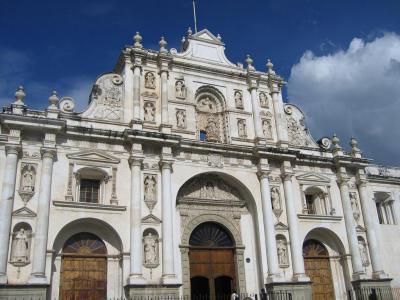
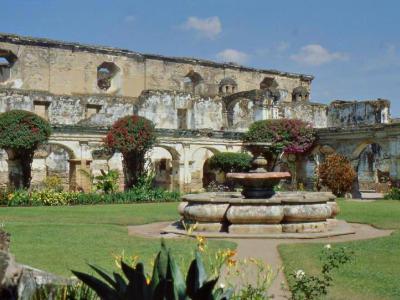
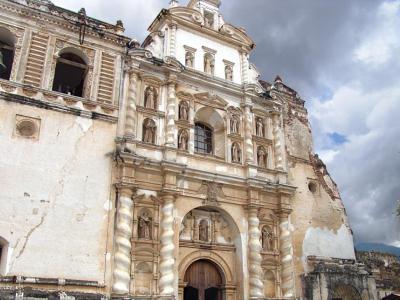
Today, Antigua's UNESCO-listed Old Town delights visitors with cobbled streets, colorful colonial houses, flower-filled courtyards, and spectacular volcano views. Walking through the historic center, you'll pass beneath the iconic Santa Catalina Arch, admire the ornate yellow façade of La Merced Church, and arrive at lively Central Plaza, surrounded by elegant arcades and historic buildings. Atmospheric convent ruins, artisan shops, cafés, and peaceful gardens create an unforgettable blend of history, culture, and everyday Guatemalan life.
As you explore Antigua's timeless streets, you'll discover why Huxley was so captivated. More than eighty years after his visit, this city continues to prove that his description remains as fitting today as when he first penned it.
Antigua Guatemala is one of Latin America's best-preserved colonial cities and a testament to Spanish colonial architecture. Officially founded in 1543, it became the third capital of the Kingdom of Guatemala after two earlier capitals had been abandoned because of natural disasters and conflict. From this strategically important city, Spain administered a vast territory that included present-day Guatemala, Belize, El Salvador, Honduras, Nicaragua, Costa Rica, and the Mexican state of Chiapas.
The name Antigua Guatemala literally means "Old Guatemala." It was adopted after the colonial capital was relocated following the catastrophic Saint Martha earthquakes of 1773. The former capital became known simply as "The Old Guatemala" to distinguish it from the newly established capital, present-day Guatemala City.
During the 16th, 17th, and early 18th centuries, Antigua flourished as one of the wealthiest and most influential cities in Spanish America. Its broad, grid-patterned streets were lined with magnificent churches, convents, monasteries, government palaces, and elegant residences. Religious orders such as the Dominicans, Franciscans, Mercedarians, Jesuits, and Capuchins built impressive monasteries that became centers of education, missionary work, and artistic production.
Despite its prosperity, Antigua's history was repeatedly shaped by earthquakes. Although the city declined due to losing its status as capital after the 1773 earthquake, local residents gradually repopulated it during the 19th century, preserving many of its surviving colonial buildings instead of replacing them with modern construction. Extensive restoration efforts throughout the 20th century transformed Antigua into one of Central America's premier cultural destinations.
Today, Antigua's UNESCO-listed Old Town delights visitors with cobbled streets, colorful colonial houses, flower-filled courtyards, and spectacular volcano views. Walking through the historic center, you'll pass beneath the iconic Santa Catalina Arch, admire the ornate yellow façade of La Merced Church, and arrive at lively Central Plaza, surrounded by elegant arcades and historic buildings. Atmospheric convent ruins, artisan shops, cafés, and peaceful gardens create an unforgettable blend of history, culture, and everyday Guatemalan life.
As you explore Antigua's timeless streets, you'll discover why Huxley was so captivated. More than eighty years after his visit, this city continues to prove that his description remains as fitting today as when he first penned it.
How it works: Download the app "GPSmyCity: Walks in 1K+ Cities" from Apple App Store or Google Play Store to your mobile phone or tablet. The app turns your mobile device into a personal tour guide and its built-in GPS navigation functions guide you from one tour stop to next. The app works offline, so no data plan is needed when traveling abroad.
Download The GPSmyCity App



A Walk in Antigua Old Town Map
Guide Name: A Walk in Antigua Old Town
Guide Location: Guatemala » Antigua (See other walking tours in Antigua)
Guide Type: Self-guided Walking Tour (Sightseeing)
Tour Duration: 2 Hour(s)
Travel Distance: 2.5 Km or 1.6 Miles
Tour Best Suited For: First-time visit
Guide Location: Guatemala » Antigua (See other walking tours in Antigua)
Guide Type: Self-guided Walking Tour (Sightseeing)
Tour Duration: 2 Hour(s)
Travel Distance: 2.5 Km or 1.6 Miles
Tour Best Suited For: First-time visit
Sights Featured in This Walk
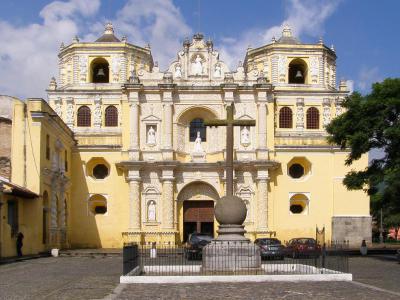
2) La Merced Church (must see)
Walking Tours in Antigua, Guatemala

Create Your Own Walk in Antigua
Creating your own self-guided walk in Antigua is easy and fun. Choose the city attractions that you want to see and a walk route map will be created just for you. You can even set your hotel as the start point of the walk.
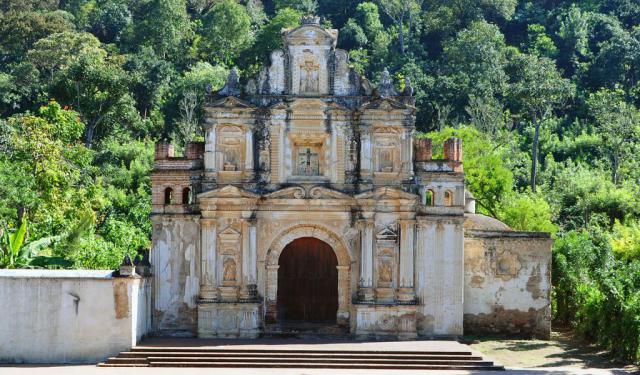
Ancient Ruins of Antigua
The ancient ruins of Antigua are not the remains of a forgotten civilization, but the enduring legacy of one of the most prosperous colonial capitals in the Americas. During the 17th and early 18th centuries, the city was filled with magnificent churches, monasteries, convents, schools, and charitable institutions built by religious orders, including the Dominicans, Franciscans, Jesuits,... view more
Tour Duration: 2 Hour(s)
Travel Distance: 3.8 Km or 2.4 Miles
Tour Duration: 2 Hour(s)
Travel Distance: 3.8 Km or 2.4 Miles
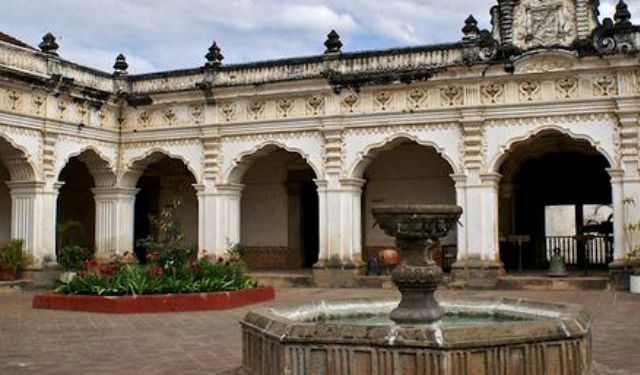
Antigua Museums
A combination of Spanish colonialism and Mayan culture has given rise to a wealth of heritage in Guatemala. The evidence of this is particularly visible in Antigua, a small town yet fascinating place to visit in Latin America. The local museums are well worth exploring for anyone wishing to learn about the country's history in general and some of its aspects in particular.
The Casa Santo... view more
Tour Duration: 1 Hour(s)
Travel Distance: 1.2 Km or 0.7 Miles
The Casa Santo... view more
Tour Duration: 1 Hour(s)
Travel Distance: 1.2 Km or 0.7 Miles
The Most Popular Cities
/ view all