

Audio Guide: A Walk Through Bruges Historic Center (Self Guided), Bruges
Austrian writer Stefan Zweig observed, Brugge is "one of the dead cities that have remained alive."
Brugge is one of Europe's best-preserved medieval cities and the historic capital of the Belgian province of West Flanders. Often called the "Venice of the North" because of its picturesque canals, the city has been an important center of trade, art, and culture for more than a thousand years.
The name Brugge is generally believed to derive from the Old Norse meaning "landing place," "wharf," or "bridge." The name reflects the city's early role as a port where ships could dock along the tidal inlets that once connected Brugge to the North Sea. The Dutch word brug, meaning "bridge," is closely related and also reflects the many bridges that span the city's canals today.
The area's earliest settlement dates back to the Roman period, but Brugge began to flourish during the 9th century after the Counts of Flanders established a fortified settlement to defend the region against Viking raids. During the 12th to 15th centuries, Brugge experienced its Golden Age. Merchants from across Europe came here to trade wool, cloth, spices, wine, and luxury goods. Its wealth also fostered remarkable artistic achievements. Flemish masters such as Jan van Eyck and Hans Memling lived and worked in Brugge, helping establish the city as a major center of Northern Renaissance art.
Brugge's prosperity began to decline in the late 15th century as the Zwin waterway gradually silted up, making access for large ships increasingly difficult. Trade shifted to nearby Antwerp, and Brugge entered several centuries of economic stagnation. Ironically, this decline preserved much of its medieval architecture, as relatively little rebuilding took place during later periods.
The city experienced a revival in the 19th century, when Romantic writers and artists rediscovered its historic charm. Tourism steadily grew, and careful restoration projects helped preserve its architectural heritage. In 2000, the Historic Center of Brugge was designated a UNESCO World Heritage Site in recognition of its exceptional medieval urban landscape and its importance in the commercial and cultural history of Europe.
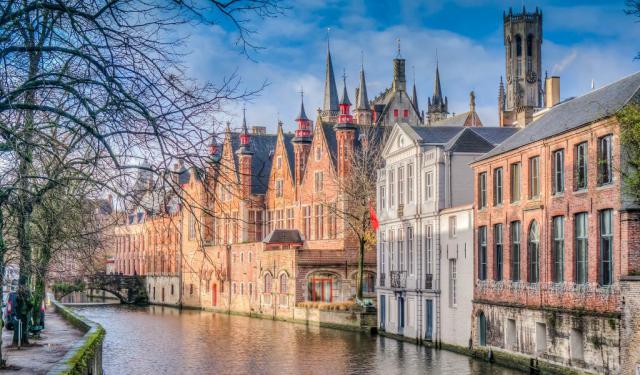
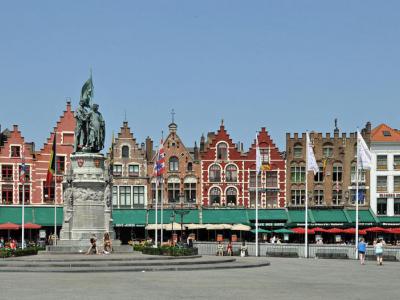
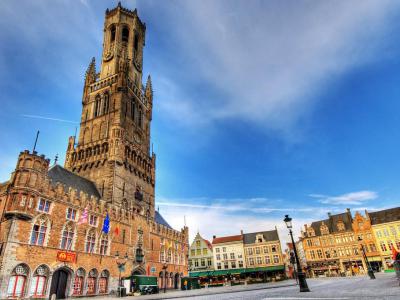
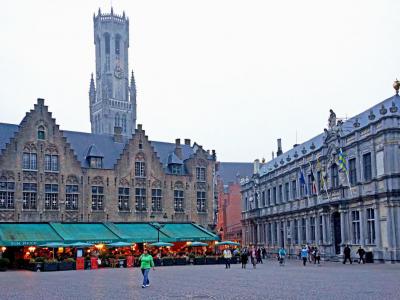
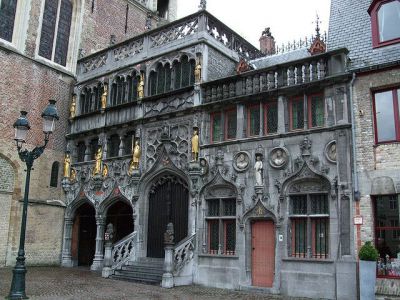
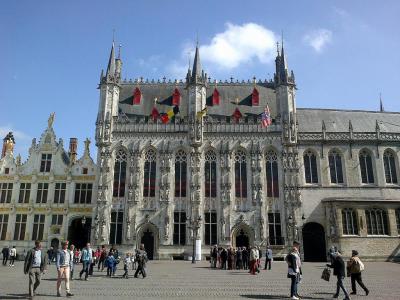
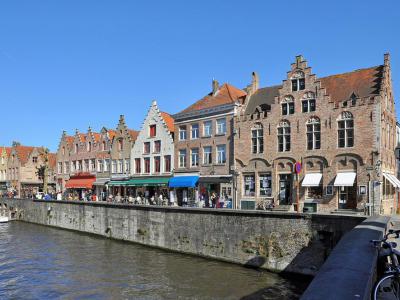
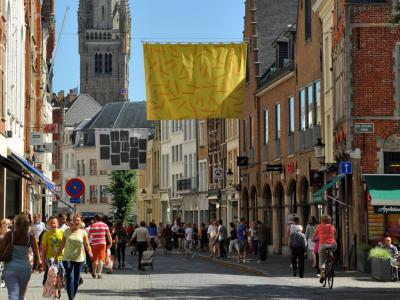
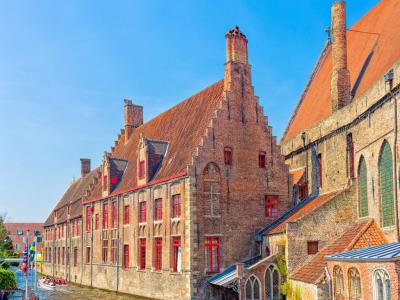
Brugge’s Old Town is filled with picturesque canals, cobbled streets, stepped-gable houses, and grand medieval landmarks. Highlights include the lively Market Square, the towering Belfry and its carillon, elegant Burg Square, the Gothic City Hall, and the Basilica of the Holy Blood.
As you walk beneath the Belfry, cross the old bridges, and follow canals once crowded with merchant ships, Zweig’s words begin to resonate. Brugge has preserved the stillness and beauty of a “dead city,” yet its ringing bells, bustling squares, cafés, and centuries-old traditions prove that it remains very much alive.
Brugge is one of Europe's best-preserved medieval cities and the historic capital of the Belgian province of West Flanders. Often called the "Venice of the North" because of its picturesque canals, the city has been an important center of trade, art, and culture for more than a thousand years.
The name Brugge is generally believed to derive from the Old Norse meaning "landing place," "wharf," or "bridge." The name reflects the city's early role as a port where ships could dock along the tidal inlets that once connected Brugge to the North Sea. The Dutch word brug, meaning "bridge," is closely related and also reflects the many bridges that span the city's canals today.
The area's earliest settlement dates back to the Roman period, but Brugge began to flourish during the 9th century after the Counts of Flanders established a fortified settlement to defend the region against Viking raids. During the 12th to 15th centuries, Brugge experienced its Golden Age. Merchants from across Europe came here to trade wool, cloth, spices, wine, and luxury goods. Its wealth also fostered remarkable artistic achievements. Flemish masters such as Jan van Eyck and Hans Memling lived and worked in Brugge, helping establish the city as a major center of Northern Renaissance art.
Brugge's prosperity began to decline in the late 15th century as the Zwin waterway gradually silted up, making access for large ships increasingly difficult. Trade shifted to nearby Antwerp, and Brugge entered several centuries of economic stagnation. Ironically, this decline preserved much of its medieval architecture, as relatively little rebuilding took place during later periods.
The city experienced a revival in the 19th century, when Romantic writers and artists rediscovered its historic charm. Tourism steadily grew, and careful restoration projects helped preserve its architectural heritage. In 2000, the Historic Center of Brugge was designated a UNESCO World Heritage Site in recognition of its exceptional medieval urban landscape and its importance in the commercial and cultural history of Europe.
Brugge’s Old Town is filled with picturesque canals, cobbled streets, stepped-gable houses, and grand medieval landmarks. Highlights include the lively Market Square, the towering Belfry and its carillon, elegant Burg Square, the Gothic City Hall, and the Basilica of the Holy Blood.
As you walk beneath the Belfry, cross the old bridges, and follow canals once crowded with merchant ships, Zweig’s words begin to resonate. Brugge has preserved the stillness and beauty of a “dead city,” yet its ringing bells, bustling squares, cafés, and centuries-old traditions prove that it remains very much alive.
How it works: Download the app "GPSmyCity: Walks in 1K+ Cities" from Apple App Store or Google Play Store to your mobile phone or tablet. The app turns your mobile device into a personal tour guide and its built-in GPS navigation functions guide you from one tour stop to next. The app works offline, so no data plan is needed when traveling abroad.
Download The GPSmyCity App



A Walk Through Bruges Historic Center Map
Guide Name: A Walk Through Bruges Historic Center
Guide Location: Belgium » Bruges (See other walking tours in Bruges)
Guide Type: Self-guided Walking Tour (Sightseeing)
Tour Duration: 2 Hour(s)
Travel Distance: 2.5 Km or 1.6 Miles
Tour Best Suited For: First-time visit
Guide Location: Belgium » Bruges (See other walking tours in Bruges)
Guide Type: Self-guided Walking Tour (Sightseeing)
Tour Duration: 2 Hour(s)
Travel Distance: 2.5 Km or 1.6 Miles
Tour Best Suited For: First-time visit
Sights Featured in This Walk
3) Burg Square (must see)
Walking Tours in Bruges, Belgium

Create Your Own Walk in Bruges
Creating your own self-guided walk in Bruges is easy and fun. Choose the city attractions that you want to see and a walk route map will be created just for you. You can even set your hotel as the start point of the walk.
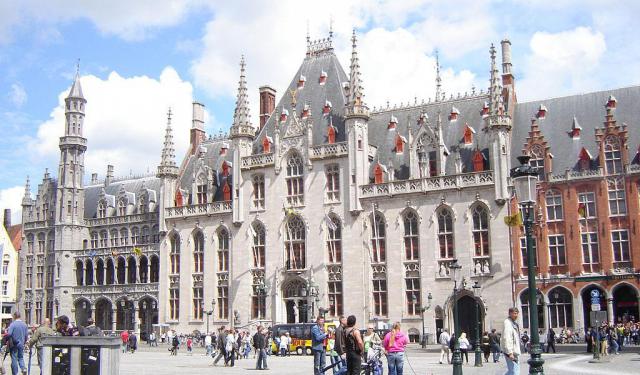
Architectural Jewels Walking Tour
Brugge owes much of its architectural splendor to the extraordinary prosperity it enjoyed during the Middle Ages. From the 12th to the 15th century, its canals connected the city with the North Sea, helping it develop into one of Europe’s foremost commercial centers. Wealthy merchants, international trading communities, religious institutions, and civic authorities commissioned churches,... view more
Tour Duration: 2 Hour(s)
Travel Distance: 3.0 Km or 1.9 Miles
Tour Duration: 2 Hour(s)
Travel Distance: 3.0 Km or 1.9 Miles
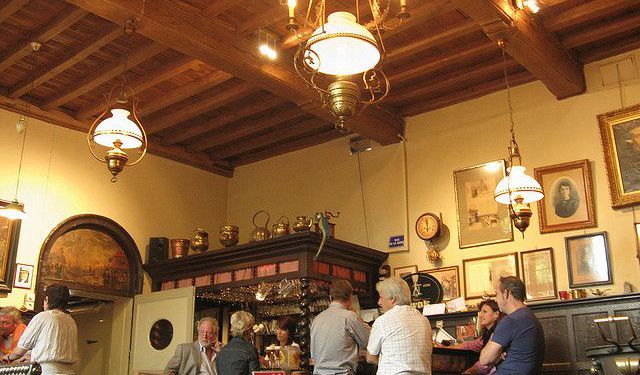
Bruges Beer Tour
The Land of Beer that is Belgium, where each corner calls to you alluringly, has long welcomed thirsty visitors from all over the world. Of all the Belgian destinations, the medieval city of Bruges is a perfect place to promote one of the country’s most important and best-known exports. Back in the 15th century, at the peak of its commercial might, the city boasted over 50 working breweries... view more
Tour Duration: 1 Hour(s)
Travel Distance: 1.7 Km or 1.1 Miles
Tour Duration: 1 Hour(s)
Travel Distance: 1.7 Km or 1.1 Miles
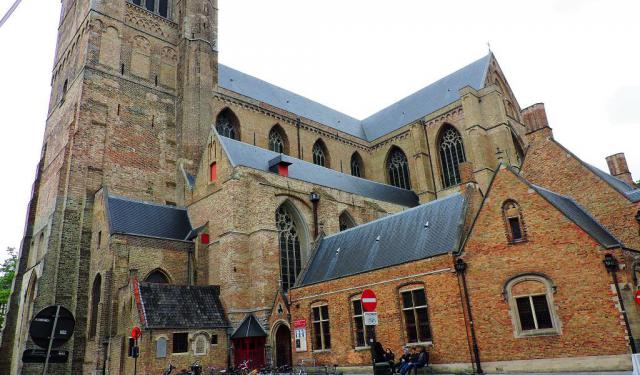
Historical Churches Tour
It's not much of a secret that some of the world's most beautiful churches are found in Brugge. Renowned for its medieval architecture and picturesque canals, this Belgian city is home to several historical temples, adding a great deal of charm to its tapestry.
The Begijnhof, also known as the Beguinage Houses, is a tranquil place and a UNESCO World Heritage Site. Built in the 13th... view more
Tour Duration: 1 Hour(s)
Travel Distance: 2.7 Km or 1.7 Miles
The Begijnhof, also known as the Beguinage Houses, is a tranquil place and a UNESCO World Heritage Site. Built in the 13th... view more
Tour Duration: 1 Hour(s)
Travel Distance: 2.7 Km or 1.7 Miles
The Most Popular Cities
/ view all