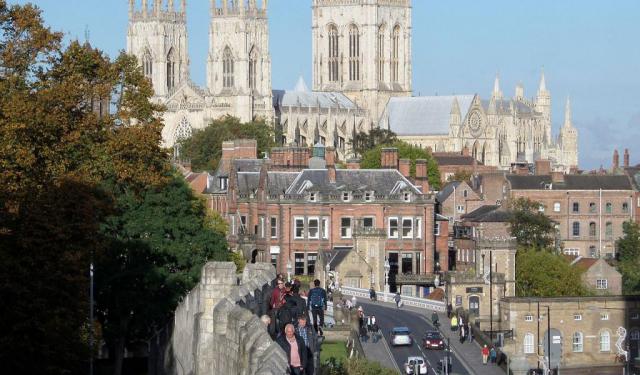


Audio Guide: Discovering York's Top Attractions on Foot (Self Guided), York
After visiting York in the early 18th century, English writer Daniel Defoe called it “a pleasant and beautiful city.”
York is one of England’s most historically layered cities: a vibrant city with Roman roots and a Viking past that has played a central role throughout much of England’s history.
York’s story stretches back thousands of years, but its importance as a city began with the Romans, who established a fortress here around AD 71, at the meeting of the Rivers Ouse and Foss. They called it Eboracum, and it became an important military, administrative and political centre in northern Britain. Two Roman emperors-Septimius Severus and Constantius Chlorus-died here.
The name York has a fascinating linguistic history. Eboracum came from an earlier Celtic and Brittonic name, probably Eburakon, whose precise meaning remains debated. It may have meant “place of yew trees.” The Anglo-Saxons reshaped the name as Eoforwic, partly associating it with eofor, meaning “boar.” After the Vikings captured York in 866, they adapted it again into Jórvík, which eventually evolved into the modern name “York.”
After the Romans withdrew, York became a major centre of the Anglo-Saxon kingdom of Northumbria and an important centre of learning. The scholar Alcuin of York, educated at its cathedral school, helped make the city famous throughout Europe.
The Vikings transformed York once again. Under Scandinavian rule, York became the centre of a powerful kingdom and an international trading city, with merchants and craftsmen connected to a much wider world.
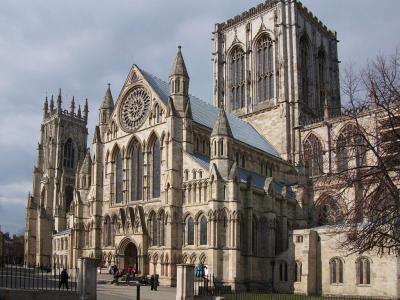
Following the Norman Conquest of 1066, York suffered destruction during William the Conqueror’s campaigns in the north, but the city later recovered and flourished. York Minster, the city walls, gates and medieval streets developed over the centuries that followed.
Today, Roman, Anglo-Saxon, Viking, medieval, Georgian and Victorian layers survive remarkably close together.
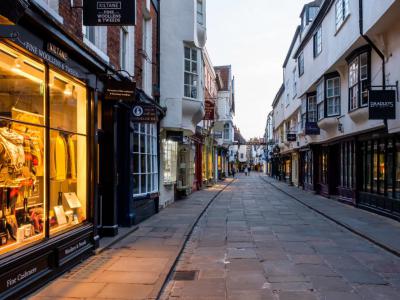
Walking through York’s historic centre reveals a remarkable mix of medieval streets, ancient walls and iconic landmarks. Clifford’s Tower offers sweeping views and a glimpse into York’s turbulent past, while the Shambles preserves a wonderfully atmospheric medieval streetscape. Continue along the York City Walls for panoramic views of the city, passing historic gates, churches and rooftops. Along the way, discover charming squares, timber-framed buildings and centuries of Roman, Viking, medieval and Georgian history.
So, as you set out to explore these streets, keep Defoe’s words in mind. Nearly three centuries later, York has changed in countless ways-but wander its ancient lanes, look up at its magnificent Minster, and perhaps you’ll discover for yourself why it remains, in every sense, “a pleasant and beautiful city.”
York is one of England’s most historically layered cities: a vibrant city with Roman roots and a Viking past that has played a central role throughout much of England’s history.
York’s story stretches back thousands of years, but its importance as a city began with the Romans, who established a fortress here around AD 71, at the meeting of the Rivers Ouse and Foss. They called it Eboracum, and it became an important military, administrative and political centre in northern Britain. Two Roman emperors-Septimius Severus and Constantius Chlorus-died here.
The name York has a fascinating linguistic history. Eboracum came from an earlier Celtic and Brittonic name, probably Eburakon, whose precise meaning remains debated. It may have meant “place of yew trees.” The Anglo-Saxons reshaped the name as Eoforwic, partly associating it with eofor, meaning “boar.” After the Vikings captured York in 866, they adapted it again into Jórvík, which eventually evolved into the modern name “York.”
After the Romans withdrew, York became a major centre of the Anglo-Saxon kingdom of Northumbria and an important centre of learning. The scholar Alcuin of York, educated at its cathedral school, helped make the city famous throughout Europe.
The Vikings transformed York once again. Under Scandinavian rule, York became the centre of a powerful kingdom and an international trading city, with merchants and craftsmen connected to a much wider world.
Following the Norman Conquest of 1066, York suffered destruction during William the Conqueror’s campaigns in the north, but the city later recovered and flourished. York Minster, the city walls, gates and medieval streets developed over the centuries that followed.
Today, Roman, Anglo-Saxon, Viking, medieval, Georgian and Victorian layers survive remarkably close together.
Walking through York’s historic centre reveals a remarkable mix of medieval streets, ancient walls and iconic landmarks. Clifford’s Tower offers sweeping views and a glimpse into York’s turbulent past, while the Shambles preserves a wonderfully atmospheric medieval streetscape. Continue along the York City Walls for panoramic views of the city, passing historic gates, churches and rooftops. Along the way, discover charming squares, timber-framed buildings and centuries of Roman, Viking, medieval and Georgian history.
So, as you set out to explore these streets, keep Defoe’s words in mind. Nearly three centuries later, York has changed in countless ways-but wander its ancient lanes, look up at its magnificent Minster, and perhaps you’ll discover for yourself why it remains, in every sense, “a pleasant and beautiful city.”
How it works: Download the app "GPSmyCity: Walks in 1K+ Cities" from Apple App Store or Google Play Store to your mobile phone or tablet. The app turns your mobile device into a personal tour guide and its built-in GPS navigation functions guide you from one tour stop to next. The app works offline, so no data plan is needed when traveling abroad.
Download The GPSmyCity App



Discovering York's Top Attractions on Foot Map
Guide Name: Discovering York's Top Attractions on Foot
Guide Location: England » York (See other walking tours in York)
Guide Type: Self-guided Walking Tour (Sightseeing)
Tour Duration: 2 Hours
Travel Distance: 2.6 Km or 1.6 Miles
Tour Best Suited For: First-time visit
Guide Location: England » York (See other walking tours in York)
Guide Type: Self-guided Walking Tour (Sightseeing)
Tour Duration: 2 Hours
Travel Distance: 2.6 Km or 1.6 Miles
Tour Best Suited For: First-time visit
Sights Featured in This Walk
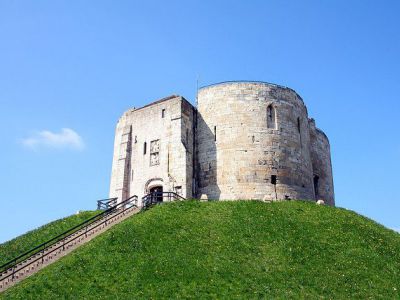
1) Clifford's Tower (must see)
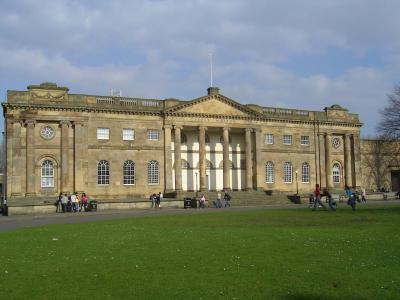
2) York Castle Museum (must see)
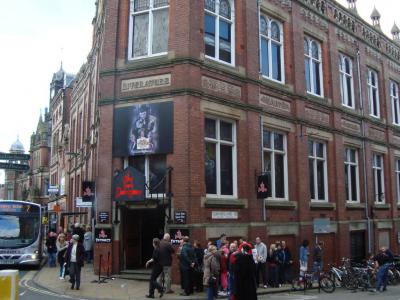
3) York Dungeon (must see)

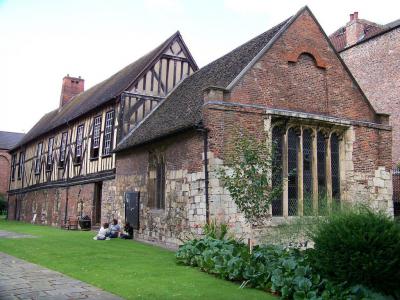
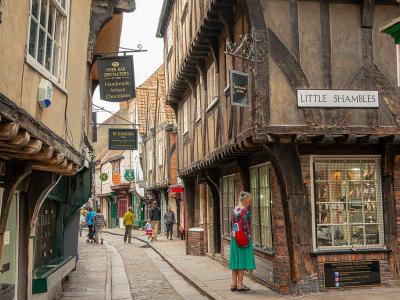
6) The Shambles (must see)
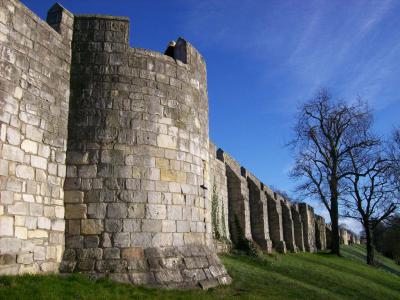
7) York City Walls (must see)
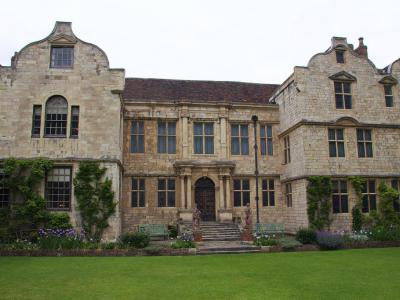
8) Treasurer's House (must see)
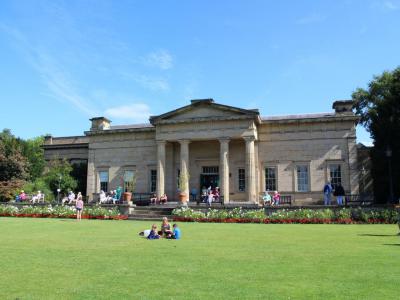
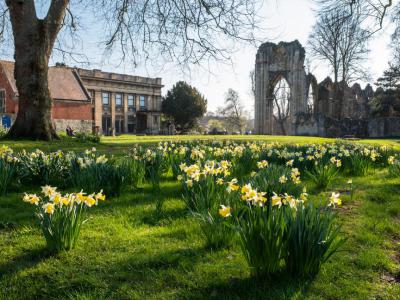
12) Yorkshire Museum Gardens (must see)
Walking Tours in York, England

Create Your Own Walk in York
Creating your own self-guided walk in York is easy and fun. Choose the city attractions that you want to see and a walk route map will be created just for you. You can even set your hotel as the start point of the walk.
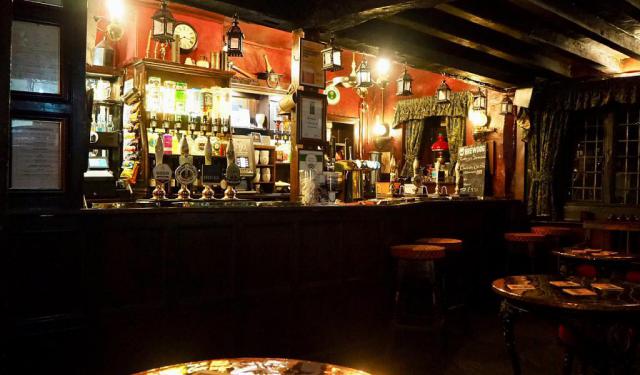
York's Historical Pubs Tour
Yorkshire is a haven for real ale enthusiasts and York does live up to this reputation. Many of local pubs are as old as churches, having served their clients for centuries.
There's a plethora of historic pubs in the heart of York, offering an array of quality cask ales alongside a menu of hearty British food, served in a cozy, traditional atmosphere. Low ceilings, wonky floors and open... view more
Tour Duration: 1 Hour
Travel Distance: 1.3 Km or 0.8 Miles
There's a plethora of historic pubs in the heart of York, offering an array of quality cask ales alongside a menu of hearty British food, served in a cozy, traditional atmosphere. Low ceilings, wonky floors and open... view more
Tour Duration: 1 Hour
Travel Distance: 1.3 Km or 0.8 Miles
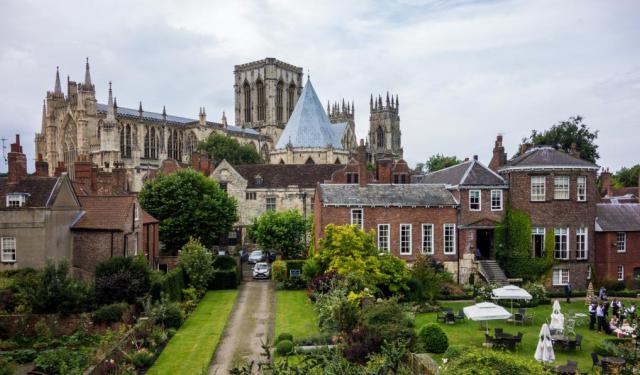
Walking Through York's Historical Old Town
King George VI famously said, “The history of York is the history of England.”
York’s Old Town is a remarkably well-preserved historic centre where more than 2,000 years of history unfold through its streets, buildings and ancient walls. Despite its relatively small size, the Old Town is packed with rich heritage, attracting visitors from around the world.
The story begins in AD 71,... view more
Tour Duration: 1 Hour
Travel Distance: 1.3 Km or 0.8 Miles
York’s Old Town is a remarkably well-preserved historic centre where more than 2,000 years of history unfold through its streets, buildings and ancient walls. Despite its relatively small size, the Old Town is packed with rich heritage, attracting visitors from around the world.
The story begins in AD 71,... view more
Tour Duration: 1 Hour
Travel Distance: 1.3 Km or 0.8 Miles
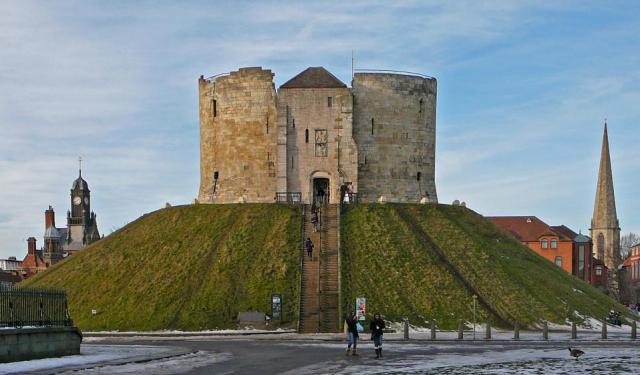
York's Historical Architecture
Being home to some of the best preserved historic architecture in England, York screams history and is undoubtedly the must-go destination for anyone keen on the country’s past. While the more recent history has also characterized York, it is the abundance of the ancient sites retained in their variety - from Medieval times to the Georgian and Victorian eras, and more - that makes the city stand... view more
Tour Duration: 2 Hours
Travel Distance: 3.1 Km or 1.9 Miles
Tour Duration: 2 Hours
Travel Distance: 3.1 Km or 1.9 Miles
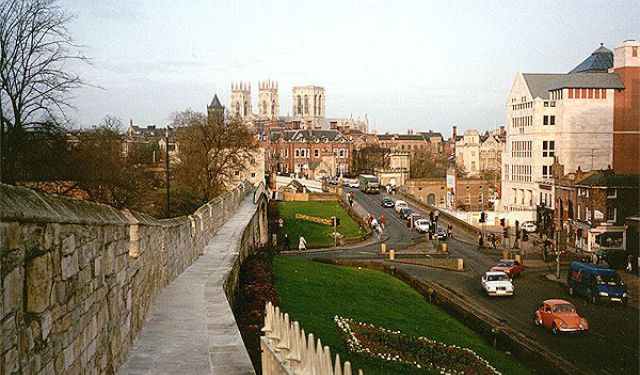
York City Wall Tour
York’s City Wall is one of the best-preserved medieval city defences in England, but its story begins long before the medieval period. Around 71-74 AD, the Romans established the fortress of Eboracum at the junction of the Rivers Ouse and Foss. Its earliest defences were probably made of earth and timber, but by around 107-108 AD, these had been replaced by substantial stone walls, including... view more
Tour Duration: 2 Hours
Travel Distance: 3.8 Km or 2.4 Miles
Tour Duration: 2 Hours
Travel Distance: 3.8 Km or 2.4 Miles
The Most Popular Cities
/ view all