

Audio Guide: Jewish History Walking Tour (Self Guided), Frankfurt
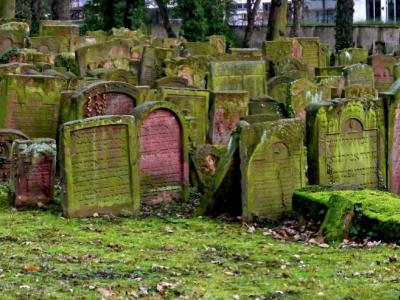
The history of Jews in Frankfurt dates back almost 900 years, which is more than in any other German city. Attesting to this fact alone is one of the oldest Jewish cemeteries in Europe, the Old Jewish Cemetery of Frankfurt, first recorded in the 12th century.
At some point, the city was even referred to as "Jerusalem of the West", highlighting its importance as a center of Jewish life and culture. The Jewish community played an important role in Frankfurt's economic and cultural development. Indeed, for centuries, Jews made living and prospered here as bankers, merchants, politicians, philanthropists, artists, and scientists.
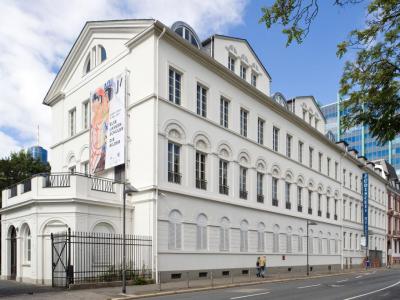
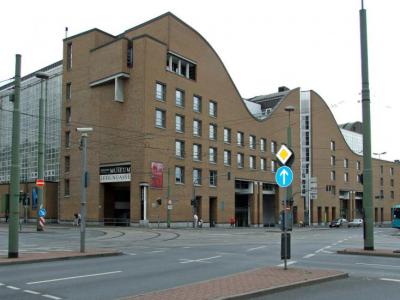
At its peak, during the 17th-18th centuries, the local Jewish community was one of the largest and most influential on the continent, having in their midst the likes of the Rothschilds and other prominent Jewish families. The Rothschilds' former home, the Rothschild Palais, today houses the Jewish Museum of Frankfurt. Its branch on Börneplatz, known as the Judengasse Museum, is located on the site of the former Jewish ghetto and is one of the most important places of Frankfurt's Jewish heritage.
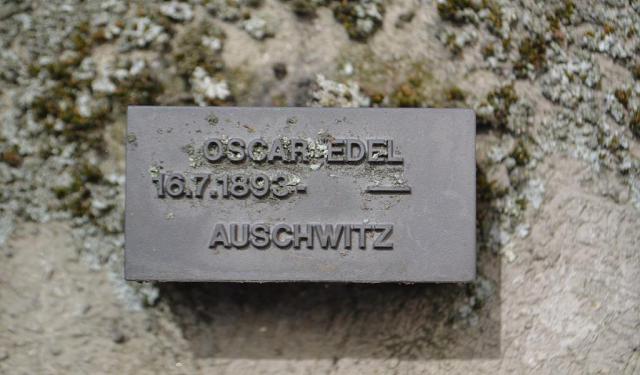
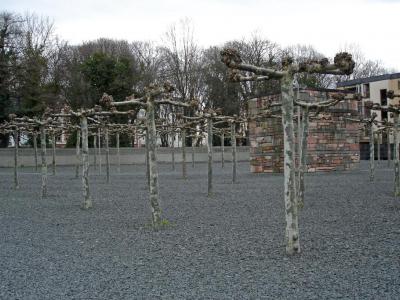
Under the Nazi regime, during the 1930s and 40s, the community faced severe discrimination, resulting in the deportation of and forcing to flee many thousands of Jews. Their persecution culminated during the Holocaust, in 1941-1945, which saw the vast majority of Frankfurt's Jewish population killed. The memory of these people is preserved nowadays at the Börneplatz Memorial, opened in 1996.
Despite this dark period in Frankfurt's history, today the city is home to a vibrant Jewish community, with several synagogues, museums, kosher restaurants, and cultural institutions. If you're keen to explore some of the chapters of Frankfurt's Jewish heritage, take this self-guided walk.
At some point, the city was even referred to as "Jerusalem of the West", highlighting its importance as a center of Jewish life and culture. The Jewish community played an important role in Frankfurt's economic and cultural development. Indeed, for centuries, Jews made living and prospered here as bankers, merchants, politicians, philanthropists, artists, and scientists.
At its peak, during the 17th-18th centuries, the local Jewish community was one of the largest and most influential on the continent, having in their midst the likes of the Rothschilds and other prominent Jewish families. The Rothschilds' former home, the Rothschild Palais, today houses the Jewish Museum of Frankfurt. Its branch on Börneplatz, known as the Judengasse Museum, is located on the site of the former Jewish ghetto and is one of the most important places of Frankfurt's Jewish heritage.
Under the Nazi regime, during the 1930s and 40s, the community faced severe discrimination, resulting in the deportation of and forcing to flee many thousands of Jews. Their persecution culminated during the Holocaust, in 1941-1945, which saw the vast majority of Frankfurt's Jewish population killed. The memory of these people is preserved nowadays at the Börneplatz Memorial, opened in 1996.
Despite this dark period in Frankfurt's history, today the city is home to a vibrant Jewish community, with several synagogues, museums, kosher restaurants, and cultural institutions. If you're keen to explore some of the chapters of Frankfurt's Jewish heritage, take this self-guided walk.
How it works: Download the app "GPSmyCity: Walks in 1K+ Cities" from Apple App Store or Google Play Store to your mobile phone or tablet. The app turns your mobile device into a personal tour guide and its built-in GPS navigation functions guide you from one tour stop to next. The app works offline, so no data plan is needed when traveling abroad.
Download The GPSmyCity App



Jewish History Walking Tour Map
Guide Name: Jewish History Walking Tour
Guide Location: Germany » Frankfurt (See other walking tours in Frankfurt)
Guide Type: Self-guided Walking Tour (Sightseeing)
Tour Duration: 1 Hour(s)
Travel Distance: 2.4 Km or 1.5 Miles
Tour Best Suited For: In-depth exploration
Guide Location: Germany » Frankfurt (See other walking tours in Frankfurt)
Guide Type: Self-guided Walking Tour (Sightseeing)
Tour Duration: 1 Hour(s)
Travel Distance: 2.4 Km or 1.5 Miles
Tour Best Suited For: In-depth exploration
Sights Featured in This Walk
Walking Tours in Frankfurt, Germany

Create Your Own Walk in Frankfurt
Creating your own self-guided walk in Frankfurt is easy and fun. Choose the city attractions that you want to see and a walk route map will be created just for you. You can even set your hotel as the start point of the walk.
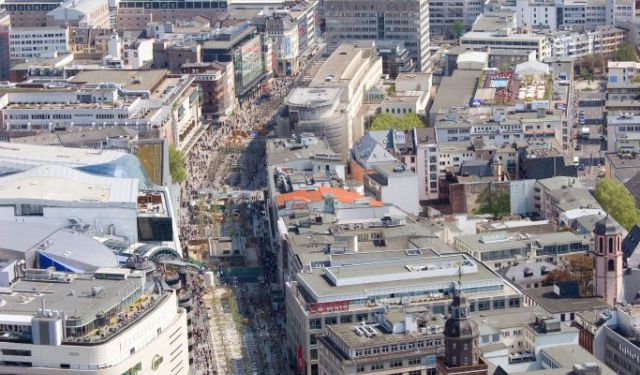
Shopping Streets
Frankfurt may well be an international business center in the first place, but not everything, by far, revolves here around finance. The city can also provide a top shopping experience for those seeking to invest in international and best German designer merchandise.
"Frankfurt is a shopping paradise - if you're a bird!" they say. This is a humorous way of saying that Frankfurt... view more
Tour Duration: 1 Hour(s)
Travel Distance: 2.1 Km or 1.3 Miles
"Frankfurt is a shopping paradise - if you're a bird!" they say. This is a humorous way of saying that Frankfurt... view more
Tour Duration: 1 Hour(s)
Travel Distance: 2.1 Km or 1.3 Miles
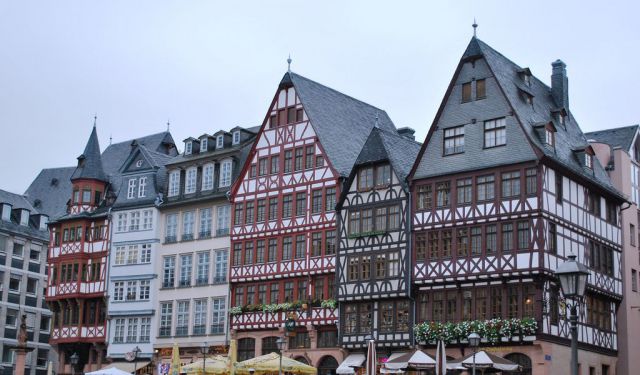
Frankfurt's Old Town Walking Tour
The German city of Frankfurt, also known as Frankfurt am Main, has a long and complex history, spanning more than a thousand years. The Romans established a military camp called "Nida" in the area that is now Frankfurt, on the northern bank of the River Main, in the 1st century AD.
The town itself was founded by the Franks, a Germanic tribe, in the 9th century. Its name comes from... view more
Tour Duration: 2 Hour(s)
Travel Distance: 3.2 Km or 2 Miles
The town itself was founded by the Franks, a Germanic tribe, in the 9th century. Its name comes from... view more
Tour Duration: 2 Hour(s)
Travel Distance: 3.2 Km or 2 Miles
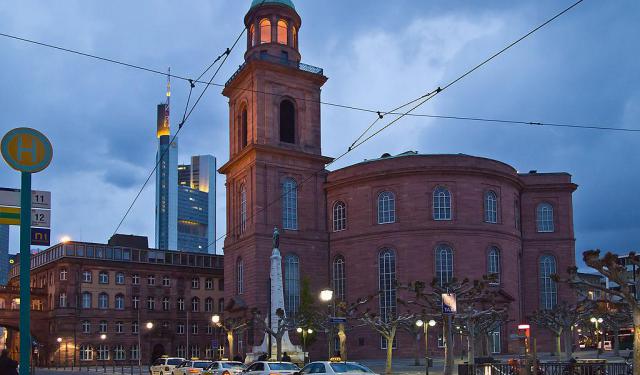
Historical Churches Walking Tour
Today Frankfurt is a predominantly secular city, but it still has a significant Christian presence.
The history of Christianity in Frankfurt dates back to the Middle Ages when, as a free city-state, it became an essential segment of the Holy Roman Empire. As the city grew, so did its Christian community. Several important churches appeared during that period, including the Old Nicholas Church... view more
Tour Duration: 1 Hour(s)
Travel Distance: 2.0 Km or 1.2 Miles
The history of Christianity in Frankfurt dates back to the Middle Ages when, as a free city-state, it became an essential segment of the Holy Roman Empire. As the city grew, so did its Christian community. Several important churches appeared during that period, including the Old Nicholas Church... view more
Tour Duration: 1 Hour(s)
Travel Distance: 2.0 Km or 1.2 Miles
Useful Travel Guides for Planning Your Trip

Frankfurt's Best Authentic Restaurants
Frankfurt is a dynamic and popular city located right in the center of western Europe. More than 10,000 people move to Frankfurt every year; over the past decades, it has become a highly international city -- about half of all children born here had non-German parents. Being the main hub for the...

15 Distinctively German Things to Buy in Frankfurt
Home to the European currency (ECB) and namesake sausages, Frankfurt is undoubtedly one of, if not "the", most known destination in Germany. For this there are quite a few reasons. Listed here are some of the things behind those reasons, which now can be picked up as...
The Most Popular Cities
/ view all