

Belfast Victorian Architecture Jewels (Self Guided), Belfast
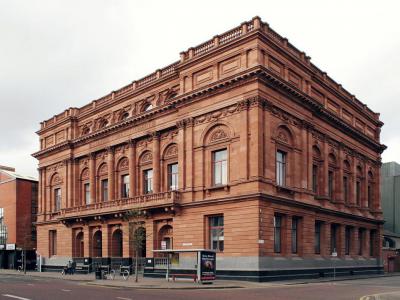
Described as “modestly scaled, undemonstrative, somewhat solid in aspect, and usually restrained (sometimes even austere) in its use of external decoration”, the urban landscape of Belfast has been influenced by the demands of shipbuilding and linen industry, much as transitioning between culture, arts, commerce, and education. Still, the architectural spectrum of the city is quite broad and features a variety of styles: from mock-Gothic to Neo-classical to Georgian to the cutting-edge modernist buildings, which makes it a worthy destination for architects and designers of all stripes.
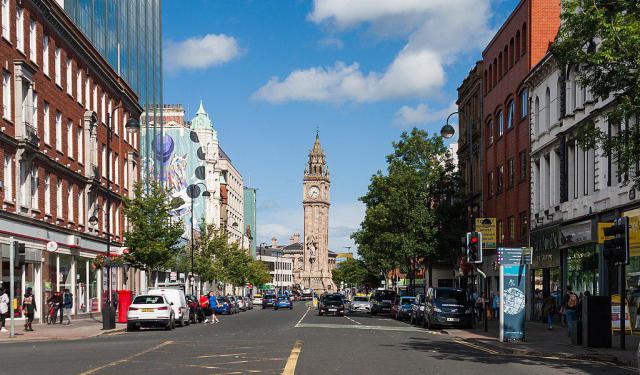
Still, it is the city's vernacular British – Victorian and Edwardian – architecture that gets most of the notice, especially given that much of Georgian Belfast has disappeared, with the exception of a few prominent buildings that laid down ‘the basic characteristics of Ulster architecture’. Major developments in Belfast began when Queen Victoria was at the helm. Many of the city's Victorian era landmarks, including the Albert Memorial Clock and the Customs House, were designed by Sir Charles Lanyon.
Among other important local buildings survived from the 19th century there are:
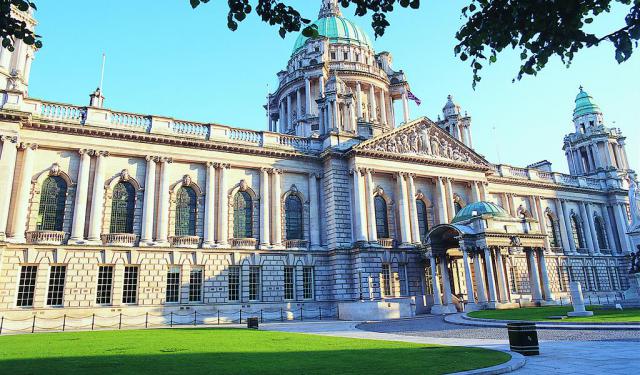
Belfast City Hall – an oasis in the heart of the city; the impressive example of the late 19th-century Baroque Revival.
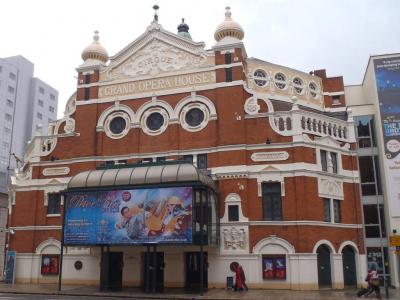
Grand Opera House – a beautiful creation by architect Frank Matcham, subtle yet artful, while quite humble in its presence.
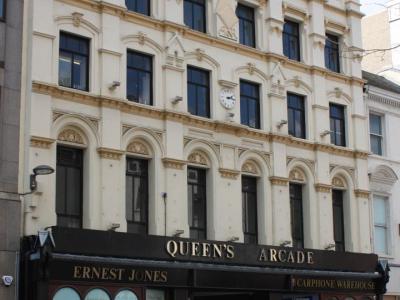
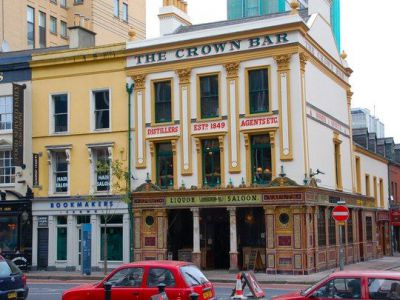
Crown Liquor Saloon – a majestic, quintessentially Victorian saloon in the heart of Belfast, arguably its most famous watering hole; the façade is a tapestry of mosaics fit to make anyone stand and stare in awe.
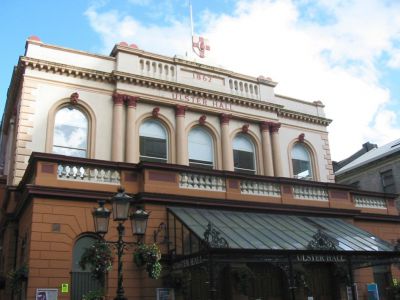
Ulster Hall – originally designed for grand dances, but now used primarily as a concert and sporting venue.
If you want to explore the most beautiful Victorian architecture of Belfast in more detail, take this self-guided walk.
Still, it is the city's vernacular British – Victorian and Edwardian – architecture that gets most of the notice, especially given that much of Georgian Belfast has disappeared, with the exception of a few prominent buildings that laid down ‘the basic characteristics of Ulster architecture’. Major developments in Belfast began when Queen Victoria was at the helm. Many of the city's Victorian era landmarks, including the Albert Memorial Clock and the Customs House, were designed by Sir Charles Lanyon.
Among other important local buildings survived from the 19th century there are:
Belfast City Hall – an oasis in the heart of the city; the impressive example of the late 19th-century Baroque Revival.
Grand Opera House – a beautiful creation by architect Frank Matcham, subtle yet artful, while quite humble in its presence.
Crown Liquor Saloon – a majestic, quintessentially Victorian saloon in the heart of Belfast, arguably its most famous watering hole; the façade is a tapestry of mosaics fit to make anyone stand and stare in awe.
Ulster Hall – originally designed for grand dances, but now used primarily as a concert and sporting venue.
If you want to explore the most beautiful Victorian architecture of Belfast in more detail, take this self-guided walk.
How it works: Download the app "GPSmyCity: Walks in 1K+ Cities" from Apple App Store or Google Play Store to your mobile phone or tablet. The app turns your mobile device into a personal tour guide and its built-in GPS navigation functions guide you from one tour stop to next. The app works offline, so no data plan is needed when traveling abroad.
Download The GPSmyCity App



Belfast Victorian Architecture Jewels Map
Guide Name: Belfast Victorian Architecture Jewels
Guide Location: Ireland » Belfast (See other walking tours in Belfast)
Guide Type: Self-guided Walking Tour (Sightseeing)
Tour Duration: 2 Hour(s)
Travel Distance: 2.9 Km or 1.8 Miles
Tour Best Suited For: Archtecture buffs
Guide Location: Ireland » Belfast (See other walking tours in Belfast)
Guide Type: Self-guided Walking Tour (Sightseeing)
Tour Duration: 2 Hour(s)
Travel Distance: 2.9 Km or 1.8 Miles
Tour Best Suited For: Archtecture buffs
Sights Featured in This Walk
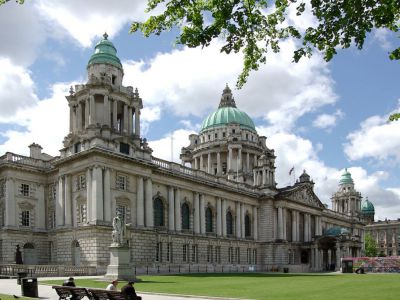
6) Belfast City Hall (must see)
Walking Tours in Belfast, Ireland

Create Your Own Walk in Belfast
Creating your own self-guided walk in Belfast is easy and fun. Choose the city attractions that you want to see and a walk route map will be created just for you. You can even set your hotel as the start point of the walk.
The Troubles and Peace Process Landmarks
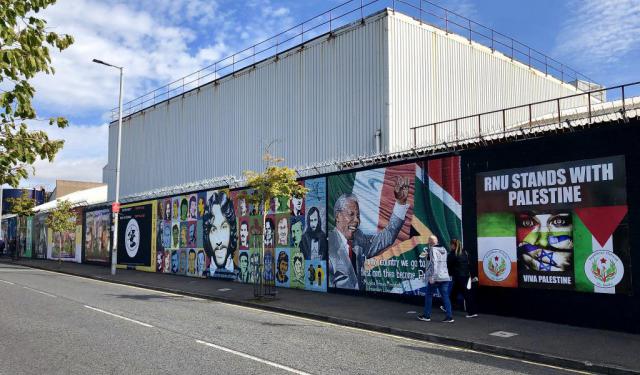
For almost three decades, Belfast was at the centre of the Troubles, a conflict that profoundly shaped Northern Ireland and left lasting marks on the city. Although its roots stretch much further back, the Troubles are generally dated from the late 1960s to the Good Friday Agreement of 1998.
At the heart of the conflict were competing visions of Northern Ireland’s future. Unionists and... view more
Tour Duration: 1 Hour(s)
Travel Distance: 2.1 Km or 1.3 Miles
At the heart of the conflict were competing visions of Northern Ireland’s future. Unionists and... view more
Tour Duration: 1 Hour(s)
Travel Distance: 2.1 Km or 1.3 Miles
Belfast Introduction Walking Tour
Clive Staples Lewis, the author behind the hugely successful Chronicles of Narnia series, was born in Belfast in 1898. The city and the surrounding landscapes of Northern Ireland proved crucial in shaping his imagination and the fantastical worlds he would later create.
Sitting on the River Lagan near where it meets the Irish Sea, Belfast's name comes from the Irish Béal Feirste, meaning... view more
Tour Duration: 2 Hour(s)
Travel Distance: 3.8 Km or 2.4 Miles
Sitting on the River Lagan near where it meets the Irish Sea, Belfast's name comes from the Irish Béal Feirste, meaning... view more
Tour Duration: 2 Hour(s)
Travel Distance: 3.8 Km or 2.4 Miles
The Most Popular Cities
/ view all