

Bologna Introduction Walking Tour (Self Guided), Bologna
Bologna is one of Italy’s oldest and most historically significant cities, shaped by more than two thousand years of political, cultural, and intellectual development.
Around the 3rd century BC, the Romans conquered the Po valley area and established the colony of Bononia in 189 BC. The name is generally believed to derive from the Celtic root bon, meaning “settlement” or “fortified place,” combined with a suffix referring to a community or territory.
Under the Romans, Bononia became a prosperous agricultural and commercial center thanks to its location along the Aemilia Way, one of northern Italy’s major roads. After the fall of the Roman Empire, the city passed through the hands of the Goths, Byzantines, and Lombards before becoming increasingly connected with the Papal States in the 8th century through the influence of Charlemagne and the papacy.
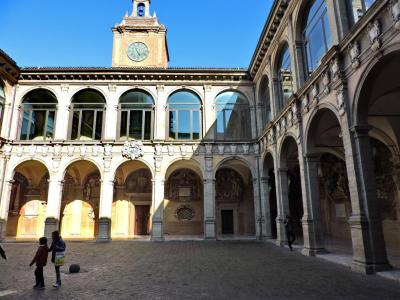
During the Middle Ages, Bologna experienced a remarkable rise. The city became an important center of trade, craftsmanship, and political power, but its greatest achievement was the foundation of the University of Bologna in 1088, traditionally regarded as the oldest university in the Western world. The university attracted scholars and students from across Europe and gave Bologna a lasting reputation as a city of learning.
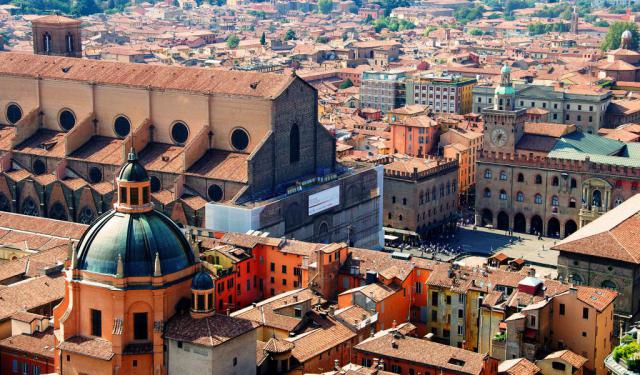
In the 13th and 14th centuries, Bologna developed the distinctive urban character that visitors see today, with extensive networks of porticoes, large public squares, and impressive civic buildings. During the Renaissance, Bologna flourished as a center of art, producing celebrated painters such as the Carracci family and inspiring architects who shaped the city’s elegant streets and churches.
The 19th century brought major political changes, and Bologna became part of the Kingdom of Italy in 1861. During World War II, the city suffered damage from bombing and played an important role in the Italian Resistance. After the war, Bologna rebuilt itself and became known for its cultural institutions, civic traditions, and lively public spaces.
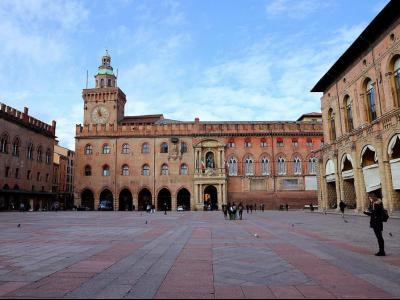
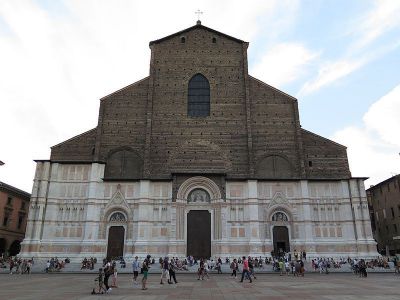
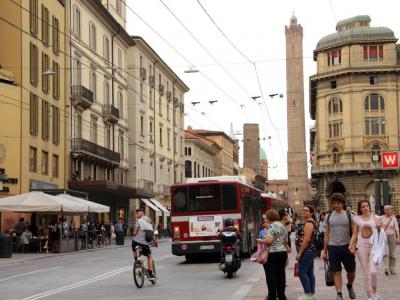
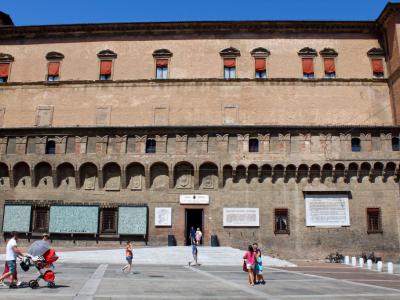
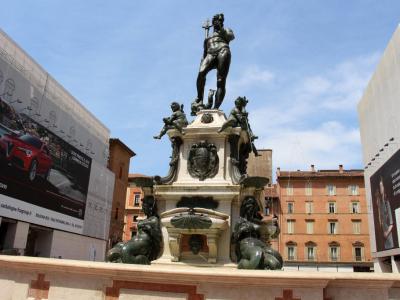
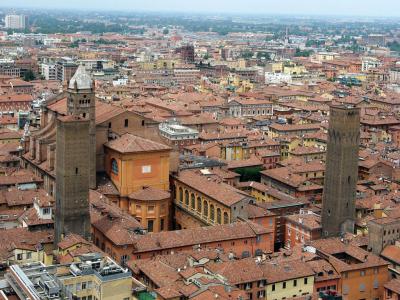
Walking through Bologna’s historic center reveals a city where medieval streets, elegant porticoes, and centuries of history remain part of everyday life. Begin at Main Square, surrounded by landmarks such as the Basilica of Saint Petronius and the Fountain of Neptune. Continue through the atmospheric Middle Market, where traditional food shops preserve Bologna’s culinary identity, before exploring medieval lanes, towers, and historic buildings that reveal the city’s unique character.
The city's famous nickname, “La Dotta, La Rossa, La Grassa”, translating to “the learned, the red, the fat.” “The Learned” refers to the University of Bologna and the city’s long intellectual tradition; “The Red” evokes its distinctive red and terracotta-colored architecture; and “The Fat” celebrates its rich and renowned culinary tradition. Come to Bologna to walk beneath its red porticoes, discover the legacy of its ancient university, and savor the flavors of its celebrated cuisine.
Around the 3rd century BC, the Romans conquered the Po valley area and established the colony of Bononia in 189 BC. The name is generally believed to derive from the Celtic root bon, meaning “settlement” or “fortified place,” combined with a suffix referring to a community or territory.
Under the Romans, Bononia became a prosperous agricultural and commercial center thanks to its location along the Aemilia Way, one of northern Italy’s major roads. After the fall of the Roman Empire, the city passed through the hands of the Goths, Byzantines, and Lombards before becoming increasingly connected with the Papal States in the 8th century through the influence of Charlemagne and the papacy.
During the Middle Ages, Bologna experienced a remarkable rise. The city became an important center of trade, craftsmanship, and political power, but its greatest achievement was the foundation of the University of Bologna in 1088, traditionally regarded as the oldest university in the Western world. The university attracted scholars and students from across Europe and gave Bologna a lasting reputation as a city of learning.
In the 13th and 14th centuries, Bologna developed the distinctive urban character that visitors see today, with extensive networks of porticoes, large public squares, and impressive civic buildings. During the Renaissance, Bologna flourished as a center of art, producing celebrated painters such as the Carracci family and inspiring architects who shaped the city’s elegant streets and churches.
The 19th century brought major political changes, and Bologna became part of the Kingdom of Italy in 1861. During World War II, the city suffered damage from bombing and played an important role in the Italian Resistance. After the war, Bologna rebuilt itself and became known for its cultural institutions, civic traditions, and lively public spaces.
Walking through Bologna’s historic center reveals a city where medieval streets, elegant porticoes, and centuries of history remain part of everyday life. Begin at Main Square, surrounded by landmarks such as the Basilica of Saint Petronius and the Fountain of Neptune. Continue through the atmospheric Middle Market, where traditional food shops preserve Bologna’s culinary identity, before exploring medieval lanes, towers, and historic buildings that reveal the city’s unique character.
The city's famous nickname, “La Dotta, La Rossa, La Grassa”, translating to “the learned, the red, the fat.” “The Learned” refers to the University of Bologna and the city’s long intellectual tradition; “The Red” evokes its distinctive red and terracotta-colored architecture; and “The Fat” celebrates its rich and renowned culinary tradition. Come to Bologna to walk beneath its red porticoes, discover the legacy of its ancient university, and savor the flavors of its celebrated cuisine.
How it works: Download the app "GPSmyCity: Walks in 1K+ Cities" from Apple App Store or Google Play Store to your mobile phone or tablet. The app turns your mobile device into a personal tour guide and its built-in GPS navigation functions guide you from one tour stop to next. The app works offline, so no data plan is needed when traveling abroad.
Download The GPSmyCity App



Bologna Introduction Walking Tour Map
Guide Name: Bologna Introduction Walking Tour
Guide Location: Italy » Bologna (See other walking tours in Bologna)
Guide Type: Self-guided Walking Tour (Sightseeing)
Tour Duration: 2 Hour(s)
Travel Distance: 2.3 Km or 1.4 Miles
Guide Location: Italy » Bologna (See other walking tours in Bologna)
Guide Type: Self-guided Walking Tour (Sightseeing)
Tour Duration: 2 Hour(s)
Travel Distance: 2.3 Km or 1.4 Miles
Sights Featured in This Walk
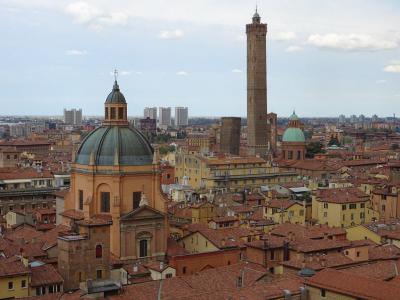
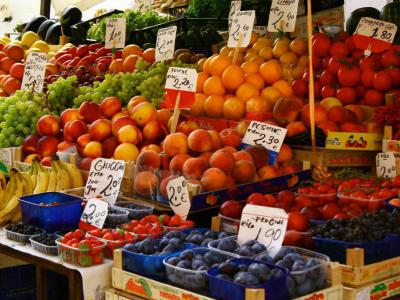
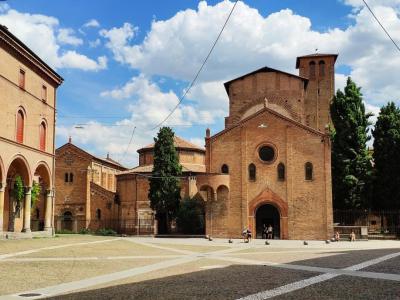
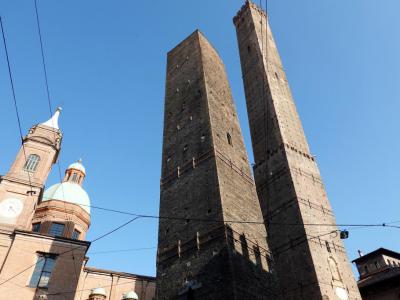
Walking Tours in Bologna, Italy

Create Your Own Walk in Bologna
Creating your own self-guided walk in Bologna is easy and fun. Choose the city attractions that you want to see and a walk route map will be created just for you. You can even set your hotel as the start point of the walk.
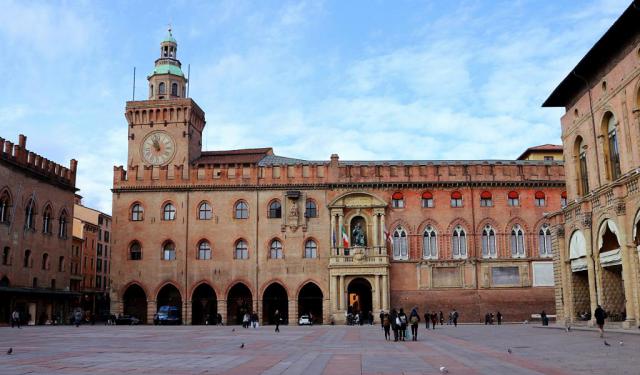
Bologna Palaces
English writer Charles Dickens found “a grave and learned air” in Bologna—an impression that still lingers beneath the arches of its medieval palaces.
Bologna’s palaces are more than impressive historic buildings. Together, they form a record of how the city was governed, administered, and enriched over many centuries. Their walls reflect the changing ambitions of civic officials,... view more
Tour Duration: 1 Hour(s)
Travel Distance: 1.4 Km or 0.9 Miles
Bologna’s palaces are more than impressive historic buildings. Together, they form a record of how the city was governed, administered, and enriched over many centuries. Their walls reflect the changing ambitions of civic officials,... view more
Tour Duration: 1 Hour(s)
Travel Distance: 1.4 Km or 0.9 Miles
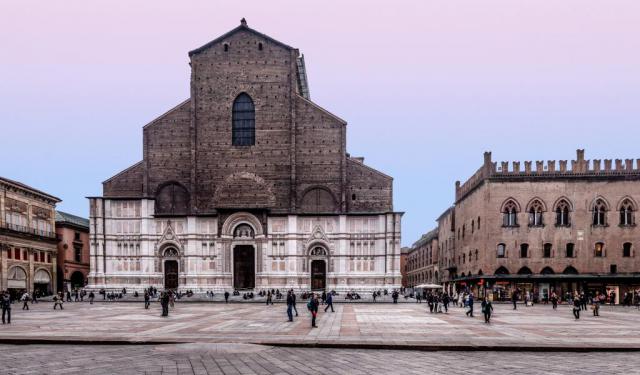
Historical Churches
The historic city of Bologna is one of the most sumptuous medieval places in Italy, as well as one of the country's most visited destinations. There are churches everywhere in the city, many of which are well-preserved and well worth a visit. Magnificent and centuries-old, each of them has its own specialty and history carved into, replete with great historic artifacts associated with world... view more
Tour Duration: 1 Hour(s)
Travel Distance: 2.2 Km or 1.4 Miles
Tour Duration: 1 Hour(s)
Travel Distance: 2.2 Km or 1.4 Miles
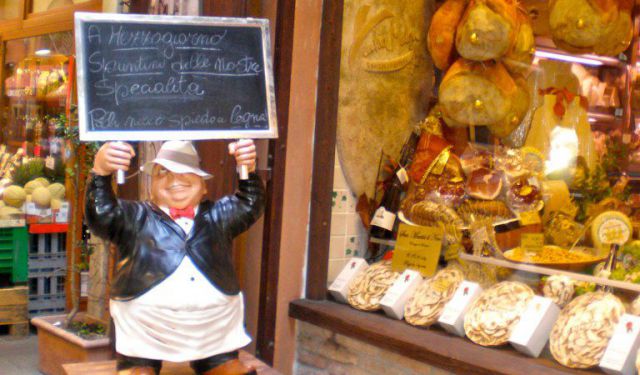
Bologna's Shopping Areas
When it comes to shopping, Bologna walks tall amid grands like Milan or Rome, with a harmonious mix of international chains, exclusive boutiques, luxury stores and open-air markets lining the streets in the city center, offering a wealth of international fashion, designer brands and top quality local delicacies in rich supply.
Shopping here is particularly pleasant on weekends when Zone... view more
Tour Duration: 1 Hour(s)
Travel Distance: 0.8 Km or 0.5 Miles
Shopping here is particularly pleasant on weekends when Zone... view more
Tour Duration: 1 Hour(s)
Travel Distance: 0.8 Km or 0.5 Miles
The Most Popular Cities
/ view all