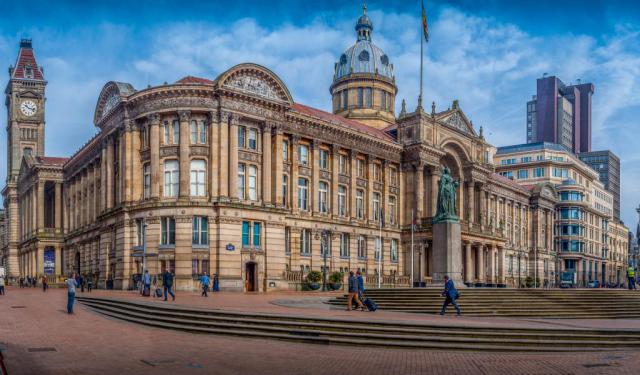


Audio Guide: Birmingham Introduction Walking Tour (Self Guided), Birmingham
The name Birmingham derives from the Old English Beormingahām, meaning “the home or settlement of Beorma’s people.” The Beormingas were therefore the people or followers of someone called Beorma. Who exactly was Beorma? No one really knows. He may have been a local leader, an ancestor, or even a legendary figure. What is certain is that a small Anglo-Saxon settlement was established here long before Birmingham became a city.
Birmingham fortunes' began to change in 1166, when Peter de Birmingham, Lord of the Manor, obtained a charter from King Henry II allowing him to hold a weekly market. Craftsmen and merchants settled nearby, and by the 13th century pottery, tanning, metalworking, and other trades were already being practiced here.
Between the 1530s and 1547, Birmingham’s traditional medieval institutions weakened or disappeared and the de Bermingham family lost control of the manor. Birmingham was subsequently left with unusually weak manorial control. This gave merchants and craftsmen considerable economic freedom, and commercial relationships increasingly mattered more than feudal ones.
During the English Civil War in the 1640s, Birmingham craftsmen supplied weapons to the Parliamentarian forces. Unlike some industrial towns dominated by a handful of enormous factories, Birmingham became famous for thousands of small workshops producing an astonishing variety of goods. It eventually earned the nickname “the City of a Thousand Trades.”
The 18th century also made Birmingham an important center of scientific and intellectual life. Industrialists worked alongside scientists and inventors, most famously in the Lunar Society, whose members and associates included Matthew Boulton and James Watt. During the 19th century, factories, canals, railways, and dense working-class neighborhoods transformed Birmingham into one of Britain’s great industrial centers. Civic ambitions grew with it. Birmingham was granted city status in 1889.
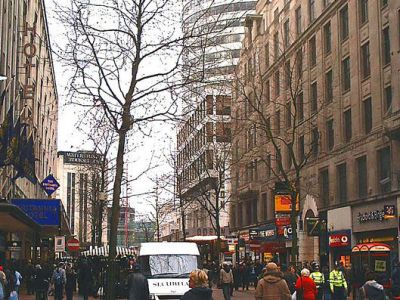
The Second World War brought another dramatic change. Much of the city center was subsequently rebuilt, particularly during the 1950s and 1960s, when modern roads, shopping centers, office blocks, and Brutalist architecture reshaped Birmingham once again.
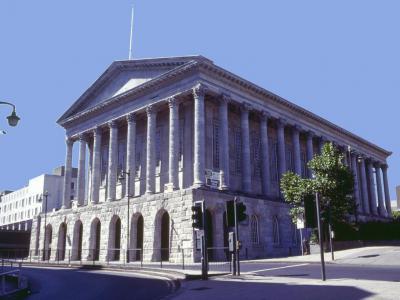
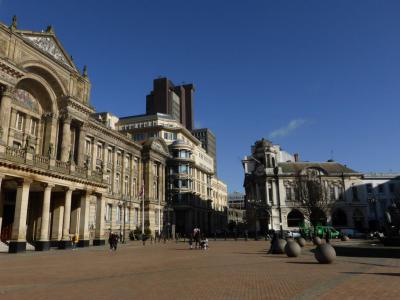
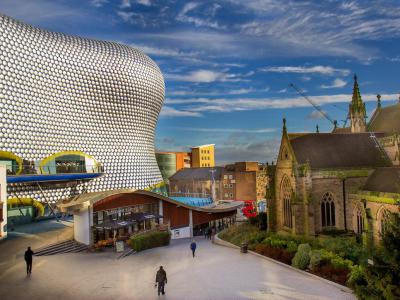
Today, Birmingham offers an extraordinary mixture of Classical, Gothic Revival, Renaissance Revival, Victorian, modernist, and Brutalist architecture. The redevelopment of the Bullring, the transformation of former industrial districts such as Brindleyplace, the conversion of the old Royal Mail sorting office into the Mailbox, and the opening of the Library of Birmingham have helped shift the center toward culture, services, leisure, and tourism.
History, culture, industry, food, music, architecture, and shopping-Birmingham has spent centuries reinventing itself, and it shows.
Birmingham fortunes' began to change in 1166, when Peter de Birmingham, Lord of the Manor, obtained a charter from King Henry II allowing him to hold a weekly market. Craftsmen and merchants settled nearby, and by the 13th century pottery, tanning, metalworking, and other trades were already being practiced here.
Between the 1530s and 1547, Birmingham’s traditional medieval institutions weakened or disappeared and the de Bermingham family lost control of the manor. Birmingham was subsequently left with unusually weak manorial control. This gave merchants and craftsmen considerable economic freedom, and commercial relationships increasingly mattered more than feudal ones.
During the English Civil War in the 1640s, Birmingham craftsmen supplied weapons to the Parliamentarian forces. Unlike some industrial towns dominated by a handful of enormous factories, Birmingham became famous for thousands of small workshops producing an astonishing variety of goods. It eventually earned the nickname “the City of a Thousand Trades.”
The 18th century also made Birmingham an important center of scientific and intellectual life. Industrialists worked alongside scientists and inventors, most famously in the Lunar Society, whose members and associates included Matthew Boulton and James Watt. During the 19th century, factories, canals, railways, and dense working-class neighborhoods transformed Birmingham into one of Britain’s great industrial centers. Civic ambitions grew with it. Birmingham was granted city status in 1889.
The Second World War brought another dramatic change. Much of the city center was subsequently rebuilt, particularly during the 1950s and 1960s, when modern roads, shopping centers, office blocks, and Brutalist architecture reshaped Birmingham once again.
Today, Birmingham offers an extraordinary mixture of Classical, Gothic Revival, Renaissance Revival, Victorian, modernist, and Brutalist architecture. The redevelopment of the Bullring, the transformation of former industrial districts such as Brindleyplace, the conversion of the old Royal Mail sorting office into the Mailbox, and the opening of the Library of Birmingham have helped shift the center toward culture, services, leisure, and tourism.
History, culture, industry, food, music, architecture, and shopping-Birmingham has spent centuries reinventing itself, and it shows.
How it works: Download the app "GPSmyCity: Walks in 1K+ Cities" from Apple App Store or Google Play Store to your mobile phone or tablet. The app turns your mobile device into a personal tour guide and its built-in GPS navigation functions guide you from one tour stop to next. The app works offline, so no data plan is needed when traveling abroad.
Download The GPSmyCity App



Birmingham Introduction Walking Tour Map
Guide Name: Birmingham Introduction Walking Tour
Guide Location: England » Birmingham (See other walking tours in Birmingham)
Guide Type: Self-guided Walking Tour (Sightseeing)
Tour Duration: 2 Hours
Travel Distance: 3.2 Km or 2 Miles
Tour Best Suited For: First-time visit
Guide Location: England » Birmingham (See other walking tours in Birmingham)
Guide Type: Self-guided Walking Tour (Sightseeing)
Tour Duration: 2 Hours
Travel Distance: 3.2 Km or 2 Miles
Tour Best Suited For: First-time visit
Sights Featured in This Walk
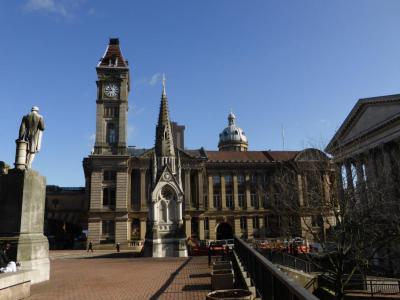
2
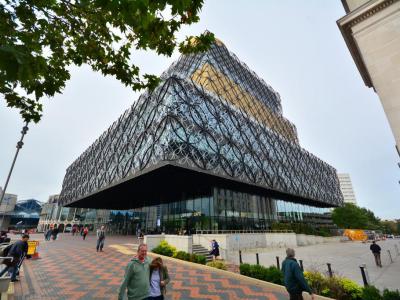
2) Central Library (must see)
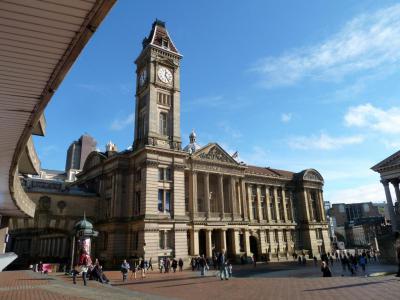
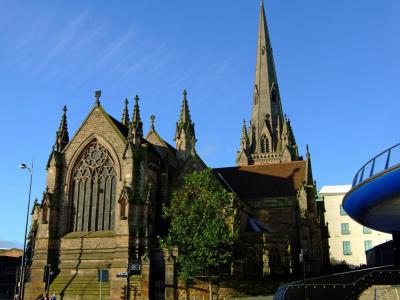
9
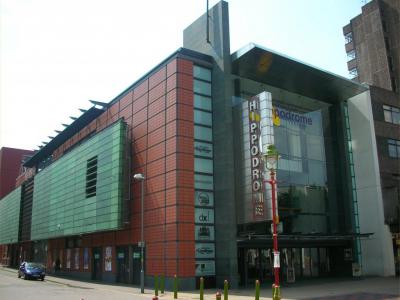
9) Birmingham Hippodrome (must see)
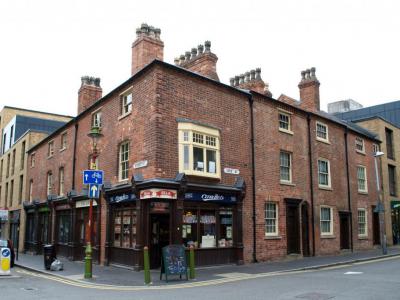
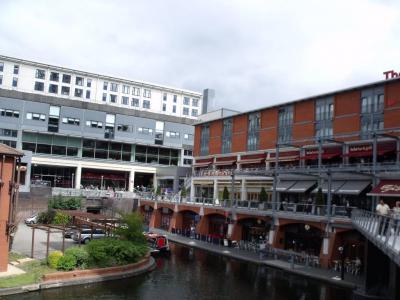
12
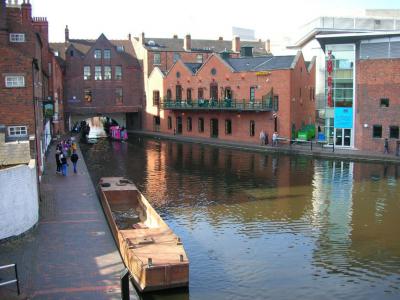
12) Gas Street Basin (must see)
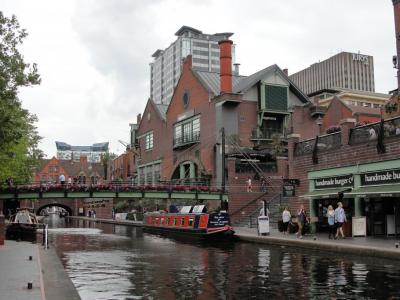
Walking Tours in Birmingham, England

Create Your Own Walk in Birmingham
Creating your own self-guided walk in Birmingham is easy and fun. Choose the city attractions that you want to see and a walk route map will be created just for you. You can even set your hotel as the start point of the walk.
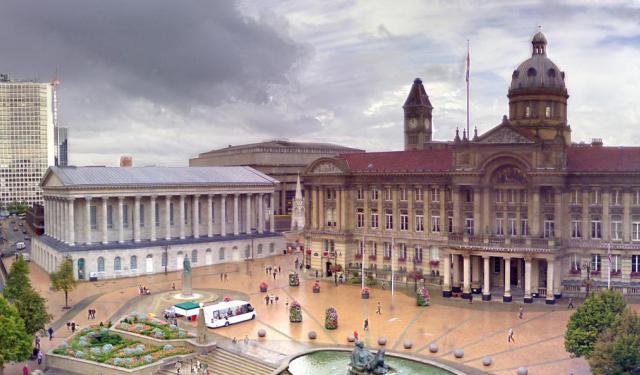
Birmingham Historical Buildings Tour
Although existent as a settlement since the early 7th century AD, Birmingham, UK is a relatively young city that has grown rapidly, as a result of the Industrial Revolution, from the 18th century onward. Thus, the local architecture is overwhelmingly a product of the 18th, 19th, and 20th centuries, with little survived from the earlier days.
Traces of the ancient settlement, dating back to... view more
Tour Duration: 2 Hours
Travel Distance: 4 Km or 2.5 Miles
Traces of the ancient settlement, dating back to... view more
Tour Duration: 2 Hours
Travel Distance: 4 Km or 2.5 Miles
The Most Popular Cities
/ view all