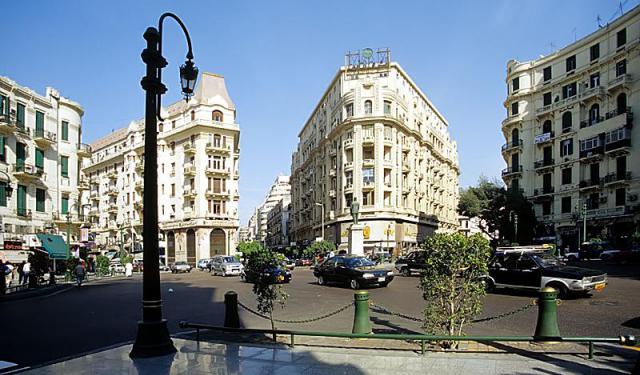


Cairo Downtown Walking Tour (Self Guided), Cairo
Egyptians often refer to Cairo as Maṣr, which is the Arabic name for Egypt. This is due to the city's importance to the country, in part manifested by its closeness to the ancient pyramids. Indeed, the area of present-day Cairo has been the center of Egypt since the days of the pharaohs. The strategic territory at the base of the Nile Delta first hosted the city of Memphis.
By the 4th century AD, Memphis was in decline, and the Romans established a fortress there called Babylon. Following the Muslim conquest in 641, a settlement next to Babylon became known as Fustat. Later, it acquired a new name, Cairo, derived from the Arabic "al-Qahirah," which means “the Conqueror,” and was given following the city's establishment as the capital of the Fatimid dynasty in 969 AD.
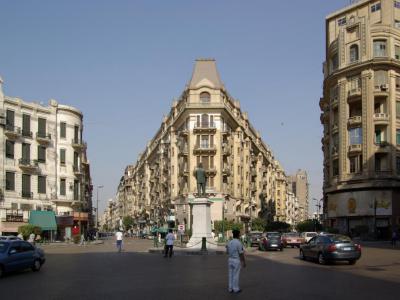
The capital moved a bit here and there over the centuries as different powers took hold, but modern-day Cairo covers them all. Downtown Cairo is the colloquial name given to the 19th-century western expansion of the city, which became its commercial center and an elite neighborhood. The area was designed by prestigious French architects commissioned by Ismail the Magnificent, the then-ruler of Egypt, who wanted to make the Egyptian capital better than Paris and the jewel of the Orient.
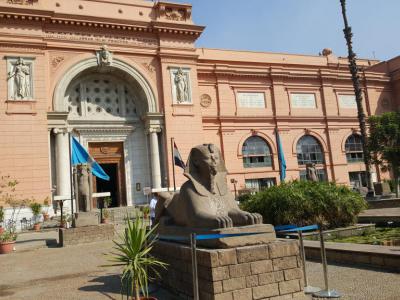
Cairo is also known as "the city of a thousand minarets" for its abundance of Islamic architecture. In 1979, the historic center was awarded World Heritage Site status. One of the city's most renowned attractions is the Museum of Egyptian Antiquities, also known as the Egyptian Museum. It has over 136,000 artifacts on display, including finds from King Tutankhamun’s tomb. The museum is located in Liberation Square, which gained international prominence during the 2011 Egyptian Revolution.
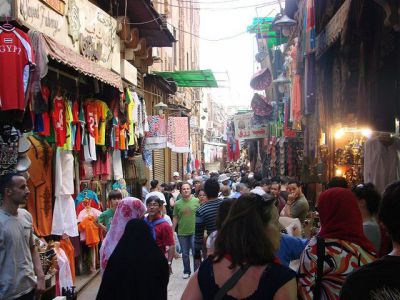
Another location of note is Abdeen Palace, a historic royal residence and a must-visit site for those interested in the country's regal past. For those who appreciate heritage, Muizz Street is a treasure trove of historic Islamic architecture and markets dating back to medieval times. And, of course, no visit to Cairo is complete without exploring the enchanting Khan Al-Khalili Bazaar, offering a wide array of souvenirs, crafts, spices, and local cuisine.
Throughout its 1,000-plus-year history, Cairo has witnessed the rise and fall of numerous civilizations. Downtown Cairo itself is a relic of a bygone era and demonstrates the vision behind the development of modern Egypt. To see the blend of ancient wonders and modern marvels that it contains, take this self-guided walk.
By the 4th century AD, Memphis was in decline, and the Romans established a fortress there called Babylon. Following the Muslim conquest in 641, a settlement next to Babylon became known as Fustat. Later, it acquired a new name, Cairo, derived from the Arabic "al-Qahirah," which means “the Conqueror,” and was given following the city's establishment as the capital of the Fatimid dynasty in 969 AD.
The capital moved a bit here and there over the centuries as different powers took hold, but modern-day Cairo covers them all. Downtown Cairo is the colloquial name given to the 19th-century western expansion of the city, which became its commercial center and an elite neighborhood. The area was designed by prestigious French architects commissioned by Ismail the Magnificent, the then-ruler of Egypt, who wanted to make the Egyptian capital better than Paris and the jewel of the Orient.
Cairo is also known as "the city of a thousand minarets" for its abundance of Islamic architecture. In 1979, the historic center was awarded World Heritage Site status. One of the city's most renowned attractions is the Museum of Egyptian Antiquities, also known as the Egyptian Museum. It has over 136,000 artifacts on display, including finds from King Tutankhamun’s tomb. The museum is located in Liberation Square, which gained international prominence during the 2011 Egyptian Revolution.
Another location of note is Abdeen Palace, a historic royal residence and a must-visit site for those interested in the country's regal past. For those who appreciate heritage, Muizz Street is a treasure trove of historic Islamic architecture and markets dating back to medieval times. And, of course, no visit to Cairo is complete without exploring the enchanting Khan Al-Khalili Bazaar, offering a wide array of souvenirs, crafts, spices, and local cuisine.
Throughout its 1,000-plus-year history, Cairo has witnessed the rise and fall of numerous civilizations. Downtown Cairo itself is a relic of a bygone era and demonstrates the vision behind the development of modern Egypt. To see the blend of ancient wonders and modern marvels that it contains, take this self-guided walk.
How it works: Download the app "GPSmyCity: Walks in 1K+ Cities" from Apple App Store or Google Play Store to your mobile phone or tablet. The app turns your mobile device into a personal tour guide and its built-in GPS navigation functions guide you from one tour stop to next. The app works offline, so no data plan is needed when traveling abroad.
Download The GPSmyCity App



Cairo Downtown Walking Tour Map
Guide Name: Cairo Downtown Walking Tour
Guide Location: Egypt » Cairo (See other walking tours in Cairo)
Guide Type: Self-guided Walking Tour (Sightseeing)
Tour Duration: 2 Hour(s)
Travel Distance: 4.1 Km or 2.5 Miles
Tour Best Suited For: First-time visit
Guide Location: Egypt » Cairo (See other walking tours in Cairo)
Guide Type: Self-guided Walking Tour (Sightseeing)
Tour Duration: 2 Hour(s)
Travel Distance: 4.1 Km or 2.5 Miles
Tour Best Suited For: First-time visit
Sights Featured in This Walk
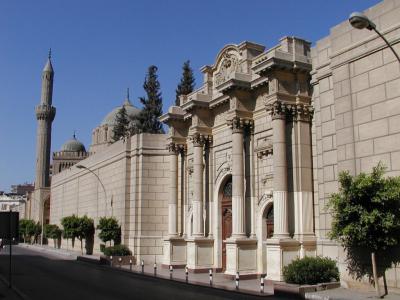
4) Abdeen Palace (must see)
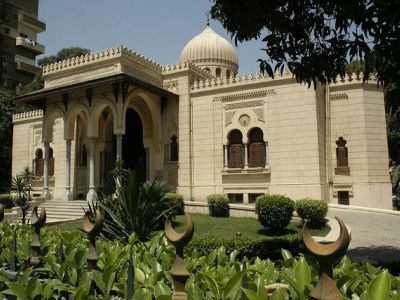
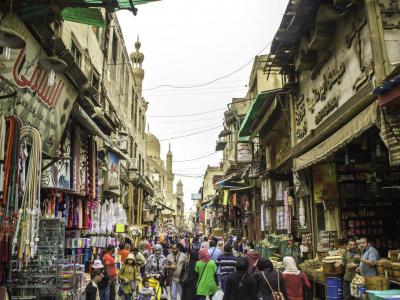
6) Muizz Street (must see)
Walking Tours in Cairo, Egypt

Create Your Own Walk in Cairo
Creating your own self-guided walk in Cairo is easy and fun. Choose the city attractions that you want to see and a walk route map will be created just for you. You can even set your hotel as the start point of the walk.
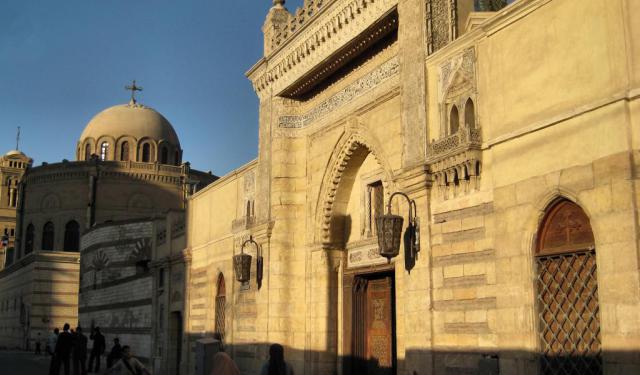
Old Cairo Walking Tour
Old Cairo, otherwise known as Coptic Cairo or Masr al-Qadima, largely predates the city of Cairo as we know it. Some Egyptologists think that a settlement here existed as far back as the 6th century BC. Later, the Romans built on the site a fortress named Babylon. Today, this ancient threshold of history is still in place, its weathered ramparts and sturdy bastions bearing witness to the ebb and... view more
Tour Duration: 1 Hour(s)
Travel Distance: 1.0 Km or 0.6 Miles
Tour Duration: 1 Hour(s)
Travel Distance: 1.0 Km or 0.6 Miles
Useful Travel Guides for Planning Your Trip
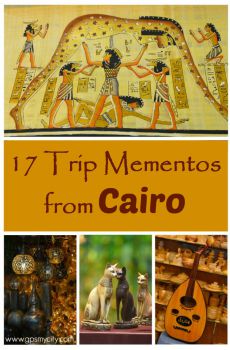
17 Uniquely Egyptian Things to Buy in Cairo
A jewel, a rose... what else is there distinctly Cairo to bring home as a gift? Feeling lost for ideas? - Look in here to generate some and expand your souvenir-shopping...
The Most Popular Cities
/ view all