

Audio Guide: Zemun Old Town Walking Tour (Self Guided), Belgrade
Few neighboring towns can claim to have been built from each other’s ruins. Yet during the Middle Ages, stones were carried back and forth across the rivers as rival powers repeatedly dismantled the fortifications of Zemun and Belgrade, using the remains of one to strengthen the other.
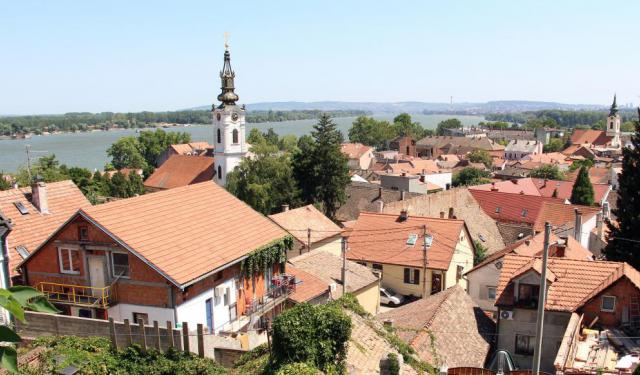
Although today it forms part of Belgrade, Zemun developed for centuries as a separate town, giving its Old Town an atmosphere noticeably different from central Belgrade. Spreading around Gardoš Hill, it is one of the oldest parts of the Serbian capital. Its strategic position on the Danube, close to its confluence with the Sava, made it an important settlement, trading center and frontier town.
The area has been inhabited since prehistoric times. Around the 1st century BC, the Celtic settlement of Taurunum developed around present-day Gardoš Hill. Under Roman rule, Taurunum became a fortified port and an important base for the Roman Danube fleet.
Zemun’s modern name has Slavic origins. The name Zemlin appeared in the early Middle Ages, generally interpreted as “earthen town” or a settlement associated with earth, possibly referring to its fortifications. The name eventually evolved into Zemun.
Its frontier location repeatedly placed Zemun between rival powers. During the 11th and 12th centuries, Hungary and the Byzantine Empire fought over the region, at times dismantling the fortifications of Zemun and Belgrade and reusing their stones to rebuild the opposing fortress across the river.
Following periods of Ottoman control and Austro-Ottoman warfare, Zemun passed into Habsburg hands in 1718. Its position opposite Ottoman Belgrade made it an important border settlement. A quarantine station established in 1730 controlled travelers and goods crossing the imperial frontier, while merchants and craftsmen helped the town prosper.
Much of the character visitors encounter today developed under Habsburg rule. Narrow streets, picturesque houses, churches and Baroque and Classical buildings spread beneath Gardoš Hill, giving Zemun a distinctly Central European appearance.
Zemun eventually became part of Belgrade in the 20th century, but its historic center retains the character of an old Danube frontier town.
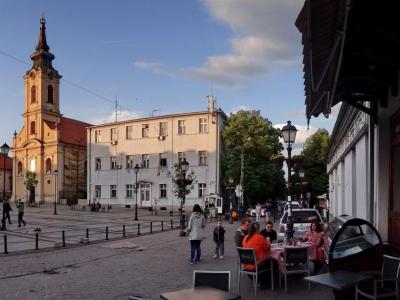
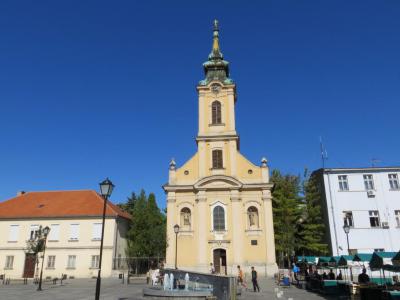
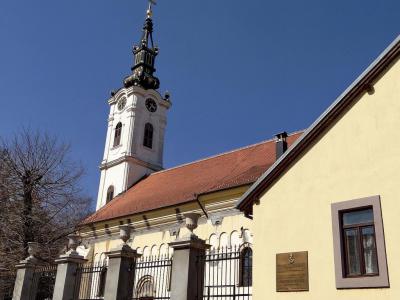
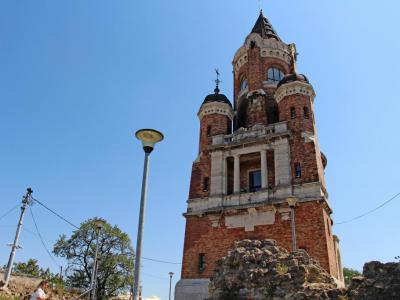
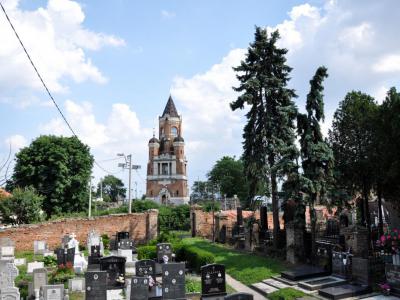
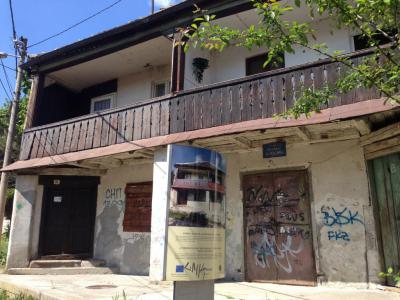
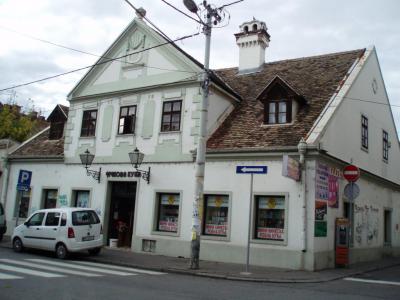
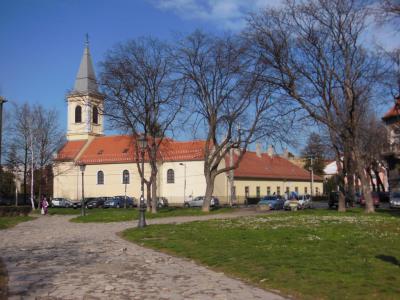
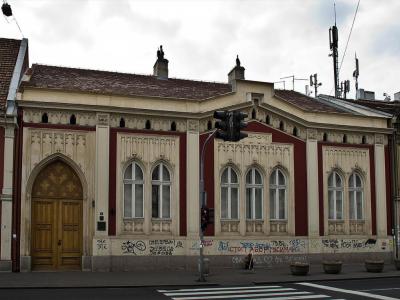
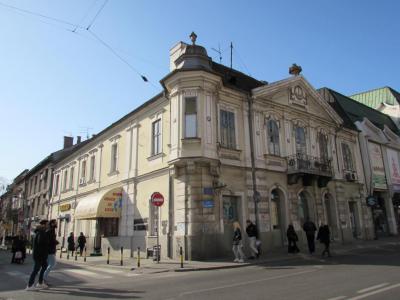
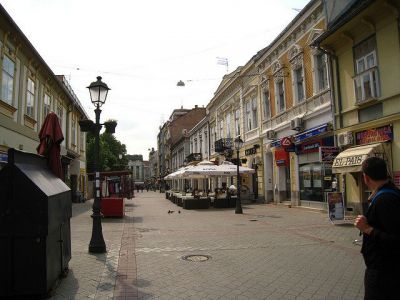
Begin at Big Square, surrounded by historic buildings, before visiting the Catholic Church of the Assumption and nearby Saint Nicholas Church. Climb the narrow streets of Gardoš to Gardoš Tower and the old cemetery, then descend past the historic White Bear Tavern and Ičko’s House. Continue toward the Homeland Museum of Zemun, spot the curious House with the Sundial, and finish among the shops, cafés and elegant façades of lively Gospodska Street.
Today, the boundary between Zemun and Belgrade has disappeared, but Zemun has never lost its distinctive character. So set out along its cobbled streets and discover the old frontier town that became part of Belgrade without ever quite becoming Belgrade.
Although today it forms part of Belgrade, Zemun developed for centuries as a separate town, giving its Old Town an atmosphere noticeably different from central Belgrade. Spreading around Gardoš Hill, it is one of the oldest parts of the Serbian capital. Its strategic position on the Danube, close to its confluence with the Sava, made it an important settlement, trading center and frontier town.
The area has been inhabited since prehistoric times. Around the 1st century BC, the Celtic settlement of Taurunum developed around present-day Gardoš Hill. Under Roman rule, Taurunum became a fortified port and an important base for the Roman Danube fleet.
Zemun’s modern name has Slavic origins. The name Zemlin appeared in the early Middle Ages, generally interpreted as “earthen town” or a settlement associated with earth, possibly referring to its fortifications. The name eventually evolved into Zemun.
Its frontier location repeatedly placed Zemun between rival powers. During the 11th and 12th centuries, Hungary and the Byzantine Empire fought over the region, at times dismantling the fortifications of Zemun and Belgrade and reusing their stones to rebuild the opposing fortress across the river.
Following periods of Ottoman control and Austro-Ottoman warfare, Zemun passed into Habsburg hands in 1718. Its position opposite Ottoman Belgrade made it an important border settlement. A quarantine station established in 1730 controlled travelers and goods crossing the imperial frontier, while merchants and craftsmen helped the town prosper.
Much of the character visitors encounter today developed under Habsburg rule. Narrow streets, picturesque houses, churches and Baroque and Classical buildings spread beneath Gardoš Hill, giving Zemun a distinctly Central European appearance.
Zemun eventually became part of Belgrade in the 20th century, but its historic center retains the character of an old Danube frontier town.
Begin at Big Square, surrounded by historic buildings, before visiting the Catholic Church of the Assumption and nearby Saint Nicholas Church. Climb the narrow streets of Gardoš to Gardoš Tower and the old cemetery, then descend past the historic White Bear Tavern and Ičko’s House. Continue toward the Homeland Museum of Zemun, spot the curious House with the Sundial, and finish among the shops, cafés and elegant façades of lively Gospodska Street.
Today, the boundary between Zemun and Belgrade has disappeared, but Zemun has never lost its distinctive character. So set out along its cobbled streets and discover the old frontier town that became part of Belgrade without ever quite becoming Belgrade.
How it works: Download the app "GPSmyCity: Walks in 1K+ Cities" from Apple App Store or Google Play Store to your mobile phone or tablet. The app turns your mobile device into a personal tour guide and its built-in GPS navigation functions guide you from one tour stop to next. The app works offline, so no data plan is needed when traveling abroad.
Download The GPSmyCity App



Zemun Old Town Walking Tour Map
Guide Name: Zemun Old Town Walking Tour
Guide Location: Serbia » Belgrade (See other walking tours in Belgrade)
Guide Type: Self-guided Walking Tour (Sightseeing)
Tour Duration: 2 Hours
Travel Distance: 2.4 Km or 1.5 Miles
Tour Best Suited For: First-time visit
Guide Location: Serbia » Belgrade (See other walking tours in Belgrade)
Guide Type: Self-guided Walking Tour (Sightseeing)
Tour Duration: 2 Hours
Travel Distance: 2.4 Km or 1.5 Miles
Tour Best Suited For: First-time visit
Sights Featured in This Walk
Walking Tours in Belgrade, Serbia

Create Your Own Walk in Belgrade
Creating your own self-guided walk in Belgrade is easy and fun. Choose the city attractions that you want to see and a walk route map will be created just for you. You can even set your hotel as the start point of the walk.
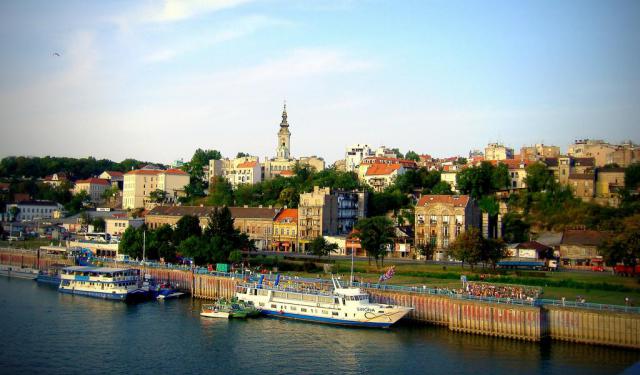
Belgrade's Top Attractions Walking Tour
Belgrade has been a city of strategic importance for millennia with its location at the confluence of the Sava and Danube rivers. In fact, it is one of the oldest continually inhabited cities on the planet.
Nomadic tribes inhabited the area as far back as 20,000 to 50,000 years ago. Some of these may have been Neanderthals rather than modern humans. By the sixth century BC, the Vinca culture... view more
Tour Duration: 2 Hours
Travel Distance: 4 Km or 2.5 Miles
Nomadic tribes inhabited the area as far back as 20,000 to 50,000 years ago. Some of these may have been Neanderthals rather than modern humans. By the sixth century BC, the Vinca culture... view more
Tour Duration: 2 Hours
Travel Distance: 4 Km or 2.5 Miles
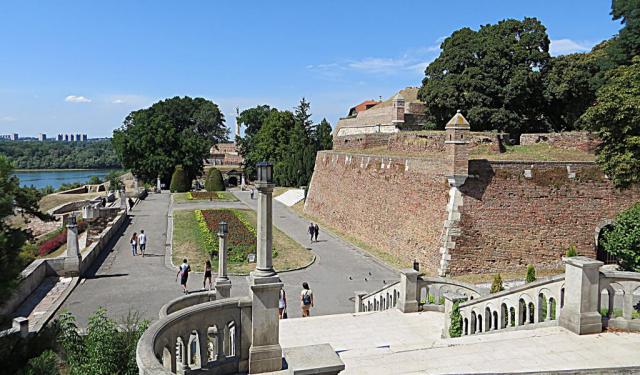
Kalemegdan Park and Belgrade Fortress Walking Tour
The most beautiful park in Belgrade, Kalemegdan Park, or simply Kalemegdan, is also the largest park and the most important cultural and historical complex in the city. The actual park occupies a smaller portion, in the southern corner, of another, grander monument - the Belgrade Fortress (which is some two millennia older).
The fortress itself, often erroneously referred to, even by the... view more
Tour Duration: 2 Hours
Travel Distance: 2.1 Km or 1.3 Miles
The fortress itself, often erroneously referred to, even by the... view more
Tour Duration: 2 Hours
Travel Distance: 2.1 Km or 1.3 Miles
The Most Popular Cities
/ view all